
How to Support Your Loved One Through Mental Health Challenges
When someone you care about faces emotional struggles, your support can make a difference. Understanding their experience is the first step toward meaningful help.
Emotional well-being profoundly impacts every aspect of life. Small gestures matter. A listening ear, a thoughtful check-in, or presence can uplift someone during tough times. This isn’t about having all the answers. It’s about showing up with patience and compassion.
We’ll walk through actionable ways to navigate this journey together. From communication tips to accessing professional resources, you’ll gain tools to empower your loved one and yourself. Let’s start building a stronger support system today.
Supporting Your Loved One
Building a strong support system starts with knowledge and empathy. Recognize that conditions like bipolar disorder require unique approaches. Data from national grant programs shows early action improves long-term wellness.
Setting the Stage for Effective Support
Mental illness often alters how people experience daily life. For instance, bipolar disorder involves intense emotional shifts that impact relationships. Learning these patterns helps you respond with patience rather than frustration.
Start conversations with openness, not assumptions. Research confirms that nonjudgmental listening strengthens trust. Pair personal observations with insights from care providers to create realistic strategies.
This guide will explore proven methods to navigate treatment options and daily care. You’ll discover tools to foster resilience together, from therapy techniques to community resources.
Understanding Mental Health Challenges
Emotional wellness shapes how we think, feel, and engage with the world. It’s rooted in three interconnected areas: cognitive clarity, emotional balance, and purposeful actions. When these elements align, people often thrive, but disruptions can ripple through every part of life.
Core Components of Emotional Wellness
Psychological balance involves managing stress, building resilience, and maintaining healthy relationships. Studies show that adults with strong social ties report better stress management. Physical factors like sleep and nutrition also play a role. For example, poor sleep quality can worsen emotional regulation within days.
Impact on Daily Life and Relationships
Struggles with wellness often show up in subtle ways. A person might withdraw from hobbies or struggle to focus at work. Relationships may feel strained due to mood swings or communication gaps. Data reveals that 1 in 3 couples cite emotional disconnection as a top concern when illness affects daily routines.
Recognizing these patterns helps families adapt. Minor adjustments, like creating calm spaces for conversation, can rebuild trust. Caregivers foster environments where healing becomes possible by addressing mind and body needs.

Recognizing Signs, Symptoms, and Conditions
Spotting shifts in behavior or mood can help you act early. Many conditions share overlapping symptoms, but understanding key differences improves responses. For example, sudden social withdrawal or extreme fatigue might signal deeper struggles needing attention.
Early Warning Signs and Behavioral Changes
Look for lasting changes in daily habits. A loved one might skip meals, avoid friends, or lose interest in hobbies they once enjoyed. Sleep disruptions, like insomnia or oversleeping, often appear first. Studies show most people with undiagnosed illness report sleep issues lasting weeks.
Other red flags include frequent irritability, unexplained physical pains, or trouble concentrating. Consider professional guidance if these behaviors disrupt work or relationships for over two weeks. Trust your instincts; early action often leads to better outcomes.
Comparing Common Disorders
Anxiety disorders often involve constant worry and physical tension. Depression may show as low energy or hopelessness lasting weeks. Bipolar disorder includes extreme mood swings between hyperactivity and despair.
For instance, someone with anxiety might cancel plans due to fear of judgment. A person with depression could struggle to get out of bed. Recognizing these patterns helps families tailor support while avoiding assumptions.
If symptoms interfere with daily life, connect with a licensed provider. Many clinics offer free screenings to clarify next steps. Your awareness today can pave the way for effective care tomorrow.
Treatment Options and Therapeutic Approaches
Effective care for psychological conditions combines proven methods with personalized strategies. Research shows that tailored plans improve recovery rates by half compared to one-size-fits-all approaches. Matching therapies to individual needs helps address unique symptoms and lifestyles.
Therapy, Medication, and Alternative Treatments
Talk therapy remains a cornerstone for many disorders. Cognitive behavioral therapy (CBT) helps reframe negative thought patterns, while dialectical behavior therapy (DBT) teaches emotional regulation skills. Medications like SSRIs or mood stabilizers often support these efforts. Mayo Clinic reports that most patients see improvement when combining both.
Alternative methods add valuable layers to traditional care. Mindfulness practices reduce anxiety symptoms. Yoga and art therapy foster mind-body connections, while nutritional adjustments can stabilize energy levels. These approaches work best alongside clinical guidance rather than as replacements.
Early intervention significantly boosts success rates. The American Psychiatric Association notes that a majority of people who start treatment within six months of symptom onset achieve lasting stability. Regular check-ins with providers ensure plans evolve as needs change, creating pathways for sustained wellness.
Navigating Professional Mental Health Services
Finding quality care for psychological needs can feel overwhelming, but knowing where to look simplifies the process. Government portals like SAMHSA’s treatment locator help families connect with local specialists within a week. Start by identifying providers who specialize in specific disorders, such as anxiety or bipolar conditions.
Finding the Right Provider and Services
Begin with online directories from trusted organizations. Filter by location, insurance acceptance, and treatment focus. Read reviews from other patients to gauge effectiveness. For example, a therapist with trauma-focused training might better address PTSD than general practitioners.
Ask primary care doctors for referrals. They often know specialists with proven success rates. Verify licenses through state databases to ensure qualifications. Many clinics offer free consultations to assess compatibility before committing.
Lifestyle Changes and Daily Support Techniques
Small daily habits can reshape wellness journeys. Studies show consistent routines improve emotional stability within weeks. Start with simple adjustments, like waking at the same time daily, to build predictability during recovery phases.
Building Blocks for Stability
Morning sunlight and hydration set a positive tone. A 10-minute walk boosts mood-regulating chemicals, while balanced meals stabilize energy crashes linked to certain illnesses. Track moods and triggers using apps like Bearable to spot patterns.
Limit exposure to substances that disrupt progress. For example, reduce caffeine if anxiety flares occur. To manage overwhelming symptoms, create “reset spaces” at home, quiet corners with calming music or art supplies.
Mindfulness practices anchor chaotic days. Try five-minute breathing exercises during work breaks. Pair these with weekly check-ins to celebrate small wins. Lasting change grows from sustainable steps, not overnight fixes.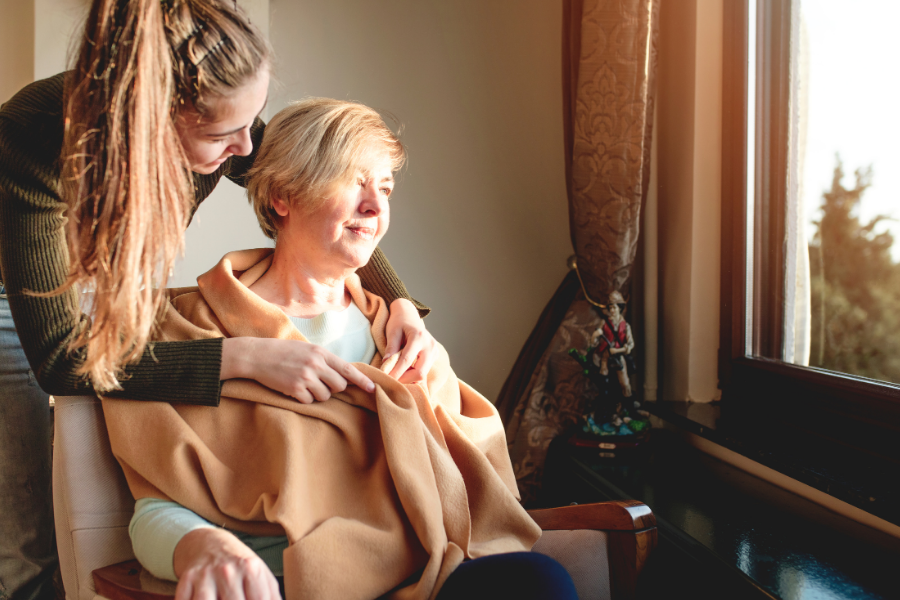
Creating Stronger Families Through Consistent Care, Communication, and Compassion
Supporting someone through tough times is a team effort that transforms lives. Families who combine professional guidance with daily routines, like active listening or shared activities, build stronger bonds.
Every action matters. Simple habits, such as regular check-ins or creating calm spaces at home, foster stability. Adults play a key role in modeling resilience, while younger family members often mirror these positive behaviors.
Care isn’t a single act. It’s a continuous journey. Whether through therapy sessions or weekend walks, small steps create lasting change. Open communication strengthens relationships, helping everyone navigate life’s ups and downs together.
You’ve got this. By applying these strategies, you’re helping a loved one and nurturing a healthier family dynamic. Remember: Progress thrives where patience and understanding meet action.
How to Encourage Social Engagement for Your Parents This Spring
Socialization is crucial for human development and survival. We never would have gotten to this point in civilization unless we had had other community members to rely upon. And, yes, it’s true that we can technically go for long periods without interacting with other humans. We can order food, clothing and houseware online. We can request that ride-share drivers to stay silent on rides, and ask that deliveries be left at the door so that we never have to meet with someone face to face. However, going too long without interacting with other people can have serious impacts on our health, and unfortunately, older adults are often much more isolated than other members of society.
There are many reasons why older members of society might end up more isolated than others. Some might be dealing with a chronic illness or injury that might make it difficult or painful to get out of the house. Others might be dealing with a smaller social group due to a recent move or because many of their peers have passed away. Others might be dealing with mental health issues such as anxiety, depression or cognitive decline that has made them nervous or embarrassed about going out in public.
Regardless of the reasoning behind it, loneliness can be dangerous for those who stay isolated from others for too long. It can worsen or lead to the development of serious mental health conditions. And, as the National Institute on Health tells us, loneliness is also known to be connected to many other devastating health conditions, such as high blood pressure, obesity and heart disease.
Because of the very real consequences of isolation and loneliness, it’s very important that older adults do everything they can to make sure they prioritize socialization and human connection. However, when someone is already feeling lonely and withdrawn it can sometimes be difficult to find the motivation to put yourself there. So, that’s where adult children can come to the rescue. Not only can you make sure to regularly engage with your parents so that they are getting social connection engagement through their interactions with you, but there are many different ways that you can help your parents increase social interactions, and what better time to start than right now? Read on to find out how.
Physical Activity
Not only is socialization important for older adults, but so is exercise, so why not kill two birds with one stone? Physical activity is a great way for older adults to connect with one another, and for those who are nervous about building new friendships, the focus that the exercise provides can help take some of the stress off of finding things to talk about. You don’t need to worry about awkward pauses if you’re trying to figure out how to do that tricky new move in aquafit!
There are countless different kinds of exercise to choose from, so it’s best to discuss with your parents what their preferences are. They might want to explore something they’ve done before or try out something completely new! Here are a few options:
- Pickleball. Pickleball has been around since the 1960s, but has surged in popularity in recent years. You can play with two people or four, and the light equipment and small court size make it especially popular with older adults. You can plan a game with friends or reach out to a local club to find other players and even private instruction if you’ve never played the game before. Pickleball is popular all over the United States, but sees the most players in Florida, which hosts the US Open Pickleball Championships.
- Aquafit. Aquafit is suitable for all ages, but is a particularly good choice for older adults, as outlined by APT. This is because it is a low impact form of exercise that can help increase cardio fitness, balance and mobility while remaining easy on the joints. While swimming is also a good form of exercise, aquafit is extra beneficial because of the social component. It’s a great activity to do with friends, and even if you go alone you are likely to build connections with other regulars. No cup of coffee tastes quite as good as the one after a workout in the water!
- Tai Chi. Tai chi is an ancient martial art from China, and is a series of slow, flowing movements that require steady focus and breathing. It is both a workout and a meditative practice and can help reduce stress and anxiety. While you won’t talk during the actual practice, just like aquafit tai chi is a great opportunity to meet others at the same place each week while also receiving the benefits of exercise.
- Golf. Joining a golf club is a great way for an older adult to stay active and build community. Golf is a good workout without being overly strenuous, and most golf clubs offer memberships that give you access to their restaurants and special events. Joining a club can be a great way for older adults to socialize and stay active at the same time.
Centers for Older Adults
 Most communities have dedicated recreation centers that are specifically designed for the needs of older adults. They might offer counseling services, advisers on how to access special benefits, but the main focus of these centers is providing opportunities for older adults to get together and socialize while doing activities they enjoy. Some activities that might be on their schedule are:
- Bingo nights
- Cribbage
- Arts and crafts
- Conversation nights
- Movie nights
- Board games
- Fitness classes
While your parents might be resistant to the idea of a place that is specifically geared towards people of a certain age, these centers can be incredibly beneficial. See if you can get your parents to agree to simply check one out. There doesn’t have to be any kind of commitment made, but why not swing by to check in a drop-in program? It’s a good opportunity to see what it’s all about and whether or not your local center provides programming that they might be interested in.
When looking for a center you should search for senior centers or centers for older adults in your area. You might also check in at your local recreation center to see if they offer any programming that might be a good fit for your parents.
Join a Class
Is there something your parents have always wanted to learn but they never had the time to do it before they retired? Well, what better time than now to expand their knowledge? This is a great time in their life to explore a hobby or a build a new skill. And why stop at one class? Some older adults might decide to enroll full time at a college or university, or complete their high school education if they weren’t able to do that when they were younger.
Learning provides feelings of satisfaction and fulfillment, but it is also good for our brains. Harvard Health tells us that learning and working on a new skill can help with memory recall, problem solving and concentration, and there’s even some research that suggests that constantly learning to help prevent dementia from developing.
But alongside all of the wonderful benefits listed above, seeking out an education is another great way to increase one’s socialization. And, seeking out new skills or a degree is also a great way to connect with people of all different ages. While it’s always important to connect with peers who have had the same life experiences as you, it’s just as important to learn and grow with people who come from different backgrounds and who are at a very different stage of life. These connections can be exciting and rejuvenating – plus think of all the wisdom that can be shared between people who are in completely different chapters of life?
To help your parents find a good fit you should chat with them about their interests and then search out schools that offer courses in those areas. There might even be opportunities to audit classes or do an introductory session to find out if it’s something they want to continue to pursue.
Volunteer
 Volunteering is an excellent way for older adults to stay connected with others. And, just like taking a class, volunteering can help connect people of all different ages and backgrounds.
Some retirees struggle to find purpose once they are no longer working, but are not necessarily interested in finding a job that is going to tie them down with a set schedule. Volunteering allows a lot more flexibility in one’s life, while also giving the opportunity to support a cause that’s important.
There are countless ways to get involved with volunteering, it all depends on what your parents hope to get out of it. Here are a few different places you might think about suggesting to your parents.
- Food banks. Food banks are often in need of volunteers to help collect and sort donations, and to help plate food during meals and do general cleanup. It’s a great way to give back to the community and build connections with others who are passionate about helping those in need of support.
- Animal shelters. Animal shelters in your area might need someone to help walk dogs or spend time with animals inside of the shelter. Depending on your parents’ situation they might even be good candidates for foster parents to animals, which they would then take to foster events in the hopes of finding a good family.
- Art Festivals. Most film and theatre festivals would never be able to function without the support of hundreds of volunteers. Not only is volunteering at an arts festival or organization a great way to meet others, but it will also give you parents the chance to engage with something they love by scoring free tickets to concerts and shows.
Of course the above list is by no means exhaustive. If there is something your parents are interested in then there’s a good chance they can get involved with it through volunteering. Most organizations are more than happy to have someone volunteer their time in exchange for some kind of benefit to the volunteer.
Build a Social Calendar
Sometimes all your parents might need to become more social is a little bit of planning! They might be longing for connection but feel overwhelmed at the thought of setting up a phone call or what to prepare for dinner if someone were to come over. So, you can help take away some of that stress by helping them to plan events that they’re excited about. This might look like showing them how to use video chat so that they can have a weekly call with their grandkids, or showing them how to make a simple meal so that they can have their neighbor over for dinner. Planning regular social events not only keeps older adults engaged but also gives them something to look forward to each week, and anticipation is good for one’s health.
And make sure that you’re a big part of your parents’ social calendar. If you’re reading this article it’s clear that you care deeply about your parents, and seeing you is an important part of their socialization. Plan a weekly outing with them, or offer to drive them to some of their classes or volunteering events. Remember, socialization is important for anyone of any age, so seeing your parents is just as good for you as it is for them.
Logistical Support
Some older adults desperately want to connect with others, but the logistics are getting in the way – this is where you come in! Help your parents connect with others by setting up their devices and writing down simple instructions for how to access email, calls, text messages and video platforms. You might also look into getting new devices that are easier to navigate, as well as changing settings to allow for easier use – this might look like enlarging fonts or setting up notifications. PC Mag even has a list of phones that are good choices for older adults.
Something else that many older adults struggle with is transportation, especially if they have recently given up their license or simply aren’t comfortable being on the road all the time. So take the time to help them get around on public transit or how to call a taxi or arrange for another form of transit. You might even check if there is accessible transit for older adults that serves your area!
It will likely take time for your parents to change their habits, so be patient as they build up their socialization muscles. With support from you there is no reason why they shouldn’t have vibrant and exciting social lives, and leave isolation far in the past.
10 Warning Signs of Caregiver Burnout and How to Overcome It
Being a caregiver can come with many benefits. You might develop a much closer relationship with your loved one than you ever had before, and you will likely discover depths to your compassion and abilities that you never knew you were capable of.
But caregiving is also a very emotionally and physically demanding job. Not only are you giving a lot of your time and attention to your loved one, but you are also doing that on top of all of the other commitments you have in your life. Because of this it can be easy to become exhausted and overworked, which, if left unattended, can quickly lead to burnout.
Burnout is particularly common for caregivers and other healthcare workers, so it’s extra important that you be familiar with the signs and how to prevent and overcome them. While this piece will cover many of the common signs, there may be others that are not listed here, so, even if a symptom isn’t mentioned below, be sure to listen to your body and make changes if something feels off. You know yourself best, so don’t second guess yourself.
1. Lack of Interest/Detachment
It’s very common for people who are dealing with the beginning stages of burnout to experience feelings of disinterest and detachment towards the things they once enjoyed or took pride in doing. Here are a few of the ways this symptom might manifest:
- Realizing that you’re not really listening or engaging when you talk to others. You might even find that you find that you feel like you don’t care about what others are saying, even if you love them and know that in normal circumstances you would be experiencing joy or empathy.
- Declining invitations that you would normally accept. You stop going out to socialize and spend a lot more time on your own.
- You just feel like you don’t care about anything. You might describe yourself as feeling numb.
2. Loss of Motivation
Loss of motivation is a frequent companion to loss of interest or detachment, but it’s a little different. Motivation, as outlined by VeryWellMind, is the drive inside all of us to achieve our goals. This might be working towards a milestone in your career, running a 5 mile race, or completing a crossword puzzle simply for the satisfaction of doing it. The tasks required might not always be enjoyable, but the motivation you have to reach your goal will keep you going.
When dealing with burnout you might find yourself with a complete lack of motivation. Not only might you not go after your goals, you might find it hard to even motivate yourself to make breakfast or brush your teeth. And it can be very difficult to find that feeling of motivation once you lose it. Even if you know that abandoning your goals could have detrimental impacts on your life, it’s like you’re sliding down a hill and are unable to stop. It can be very scary and upsetting, and often goes hand in hand with depression.
3. Feeling Helpless or Like a Failure
Burnout can also produce a feeling of complete helplessness or that you are some kind of failure, even if you haven’t done anything that you should feel bad about.
You might feel a sense of complete overwhelm and panic, and like there is no way you will be able to dig yourself out of this feeling. You might find yourself crying unexpectedly, thinking extremely negative thoughts about yourself, or experiencing panic attacks.
When dealing with these symptoms you might convince yourself that nothing you do is good enough. You might not feel like a good caregiver, partner, parent or friend.
4. Moodswings
Another symptom of burnout is that you might find it very difficult to keep your emotions under control. You might constantly find yourself extremely irritated and quick to anger, or you might find yourself bursting into tears, or even feeling an almost manic positivity.
While it’s completely normal for everybody to go through a wide range of emotions each day, these will feel out of the ordinary for you. You might find yourself being curt and snappy with someone you normally have a lot of patience with. You might complain loudly and become irrationally angry at minor inconveniences, such as a short wait for a coffee, or forgetting something in your car. It will also likely feel very difficult for you to properly manage your feelings. Typical coping mechanisms might not work, and you might even have friends and family making comments that you are acting out of character. If it feels like your emotions are spinning out of control then it’s important to seek help before it gets worse.
5. Unhealthy Coping Mechanisms
 Whether you consider yourself to be an emotional person or not, it’s important for everyone to have healthy coping mechanisms. Coping, according to the Cleveland Clinic, is a way for us to navigate through the stressors we experience in life, whether from a traumatic event, major life change, or dealing with poor mental health, among many other issues. Finding ways to cope is normal and necessary, but there are many different ways to cope with difficult moments and emotions in our lives.
If you are engaging in healthy coping mechanisms that might look like focusing on maintaining a healthy diet or putting up good boundaries. It could also look like practicing meditation or yoga or taking a nice warm bath at the end of the day.
However, even if we know that certain habits are healthier than others, it can be easy for us to turn to unhealthy coping mechanisms. These ways of coping might make you feel better immediately, but in the long run can cause serious physical and mental health problems. Examples of unhealthy coping mechanisms include emotional eating, substance use, risky sexual behavior and poor financial habits like excess shopping or gambling.
We all might make a choice that doesn’t feel good from time to time, but if you are in a good place then it’s likely you won’t continue participating in those activities. If you feel powerless to stop or are worried that you are dealing with addiction then the issue needs immediate attention.
6. Poor Performance
It may happen that people who are beginning to experience burnout start having issues at work or properly fulfilling their duties as a caregiver. You might find yourself making more mistakes than usual, or forgetting things that you have done hundreds of times before. You could also just be careless, which might accompany the earlier sign, detachment. You might be doing a poor job and feel like you don’t care about making mistakes or getting into trouble. But of course, not only is this not a pleasant way to live your life, but making constant mistakes could have major consequences on your career and could also negatively affect the loved one you care for. What if you mix up some medication or accidentally make them some food that they can’t eat? Everyone makes mistakes, but if you are consistently performing poorly then that is cause for concern.
7. Digestive Issues
Burnout can also cause a number of physical symptoms, one of which is digestive issues. You might constantly find that your stomach is in knots, or perhaps frequently bloated. You might have constipation or frequent loose stools. Meals that used to go down no problem now create gas and heartburn.
Sometimes we might discover a sensitivity to a food we didn’t know we had previously, or be nervous about an entirely different matter. But, if there’s no other reasonable explanation for your digestive issues then there’s a good chance it could be happening due to burnout.
8. Sleep Problems
The Sleep Health Foundation tells us that sleep and burnout have a bi-directional relationship. This means that burnout can negatively impact your sleep, but that in reverse, if you have been neglecting sleep or have had it impacted in another way, then that lack of sleep or good quality sleep could in turn lead to burnout.
Of course this can be tricky, as there are many things that can cause us to lose sleep, from tending to a new baby, to staying up to watch the latest episode of your favorite show. But if you are consistently having trouble getting enough sleep or feel like you’re always exhausted even if you think you’ve slept enough, then there’s a good chance you’re dealing with burnout.
9. Constant Colds
Winter does mean that cold and flu season is in full swing, but if your immune system is functioning as it should, and you don’t have young children, then it is unusual to experience repetitive colds. This could look like getting a full blown cold every other week, or simply feeling that you’re never really well. Sniffles, a sore throat and exhaustion might go on and off with no proper explanation, and you might find yourself growing increasingly frustrated at the fact that you never seem to feel good. When experiencing a health situation like this it’s always good to go visit a doctor, but you might find that burnout is the culprit.
10. Other Physical Symptoms
Finally, just as mentioned at the beginning of this article, this list won’t cover every possible sign of burnout. Yours might manifest in a slightly different way or you might experience a symptom that not many other people have. But it is important to note that along with emotional symptoms, burnout can have you experiencing several other physical symptoms aside from the ones listed above. Some of them might include:
- Headaches
- Dizziness
- Fainting
- Loss of appetite
Now that you have a better understanding of some of the warning signs of burnout, how can you overcome it, or, even better yet, prevent it? Prevention is always preferable, but if you’re already experiencing symptoms, then it’s important to act as quickly as possible. Here’s what to do:
Manage Your Schedule
If you are at burnout then it means your workload is not manageable and you need to cut back. First, take a look at your daily schedule. Could someone else take care of some of the tasks on your plate? Sometimes the people around you might not be aware you need help unless you tell them. So, be honest and tell them you need some support – most of the time people are more than happy to offer help. Prioritize what’s truly important and let go of little details. And be sure to not say yes to any more work right now.
Set Boundaries
It can be difficult to say no to the people you love, but you can’t be the best worker, partner, friend or parent, if you’re not taking care of yourself first. Learn how to say no and stand up for what you need.
Focus on Healthy Habits
 Diet, sleep and exercise play such a major role in our physical and mental health, and make the difference between experiencing burnout or not. Even if you don’t feel like your workload is particularly demanding if you’re not moving your body, nourishing it with healthy food and making sure to get enough shut eye, then there’s a good chance you’re not going to feel your best. Changing your habits might seem overwhelming, but starting slow is the best way to go! Drink an extra glass of water and add one extra vegetable to your day. Take the stairs or park a block away from work. Instead of watching TV before bed, pop on an eye mask and listen to a funny podcast. Yes, your ultimate health goals might go further than that, but if you try to change your entire lifestyle overnight it’s unlikely to stick. Instead, focus on small, achievable goals that you can easily incorporate into your day and build up from there.
Take A Break
Sometimes we might feel like we can’t step away from our caregiving duties, but if you’re on the edge of burnout then you might not have a choice.
Depending on your situation this might look like sharing the responsibilities of caregiving with another family member or care worker, so that you can have an extra day off, or fewer hours. Maybe it’s taking a week long vacation, or simply having someone come in so you can go out for lunch or head to the gym. The answer of what kind of break is needed is going to be different for everyone, but a break is going to be needed all the same.
Talk to a Professional
If you’re experiencing burnout then it might be a good idea to pay a visit to a mental health professional. They can help you come up with further strategies to help you overcome your burnout and stay healthy long term.
Hopefully with this knowledge you can prevent burnout, or quickly overcome it. But as a parting note just one reminder: do not ignore it. If left untreated, burnout can cause serious health complications and you might need a lot longer than just a few days off!
How to Discuss Health Concerns With Your Parents Without Overstepping
We all want what’s best when it comes to the people we love. Many adult children struggle with the thought of their parents growing older, especially if their parents have health concerns that appear to be unaddressed. As an adult child your first instinct might be to get angry at your parent, or to demand that they get help. While it’s very understandable to be upset at what seems to be inaction or apathy on the part of your parents, it’s important to address your concerns without crossing any boundaries. Yes, it’s frustrating and upsetting to watch someone deal with a scary medical issue and not go after the help you know they need, but unless your parents are dealing with severe cognitive decline, there is a limit to how much choice you are going to have in the matter.
However, if you are thoughtful and careful with your approach, then you may find your parent more open to hearing your point of view. So, let’s get into how you can discuss health concerns with your parents without overstepping.
Investigate Your Own Feelings
Before you address your concerns with your parents it’s important to really dig into what emotions you are feeling, and what result you hope to achieve from your conversation with them. When it comes to our family, we can sometimes get overly emotionally involved, and come into a conversation really hot, instead of taking the time to think about how we’re feeling and how we can address something in a way that’s constructive. The reality is that most people don’t respond well to aggression, so if you come into the conversation with anger or blame, then it’s much less likely that you’ll be able to have a productive dialogue.
So, take a bit of time to think about what concerns you have about your parent or parents. Here are a few things to consider:
- What issue is my parent having?
- What consequences could result if this issue goes unaddressed?
- What solutions are available to help treat this issue?
- What will my response be if they propose an alternate solution or don’t want to address the issue at all?
That last point is particularly important, as quite often older adults might be resistant to change or getting help. And, even if they are open to a solution it might not be the one you had in mind. But, if you truly want to help your parent you have to go into this conversation with the knowledge that it might not go the way you want it to. You can issue orders to your parents, but it’s unlikely they’ll follow them and it’s very likely that interacting in that way will cause damage to your relationship.
So, before you speak to your parents, write down your feelings and take time to process them. It might also be helpful to speak with a therapist or a trusted loved one who you feel will be able to offer an unbiased opinion on the situation. Sometimes we all just need a bit of perspective.
Check in With Them First
 Once you’ve checked in with yourself it’s time to check in with your parents! Yes, you might have a lot of genuinely good ideas about how you think they should manage their health, but don’t jump in expecting that you know all the details about their lives or how they’re feeling.
Even if you’re close with your parents it’s very likely that you haven’t shared every element of your life with them, so why expect that they would share every element of their lives with you? Many older adults might purposefully withhold medical issues from their children because they don’t want to scare or burden them. Plus, some older adults might fear losing their autonomy, and worry about what sharing health issues with their children might mean for their future.
Your parents might be scared, or they might be organized! You might discover that your parents have already had many discussions about aging and already have a solid plan in place in the scenario where they find themselves able to go about their regular routine without assistance. But, if you come in with all of your own ideas without giving them a chance to speak then they might not be inclined to share that information with you. So, to allow your parents the opportunity to share try something like this:
“Hi, mom/dad. I wanted to talk to you about something that’s been on my mind lately. I notice you seem to be struggling with X and I wanted to ask you how you’ve been feeling about it. What are your plans moving forward?”
Then, see if this gets them to open up. Of course, your parents might brush this question aside, but it’s important to give them an opportunity to speak before charging in with your own ideas. And, when asking these questions it’s crucial that you…
Listen
You might go into a conversation with the best of intentions, but it’s still very common to ask a question and then not really listen to the response. If you want to give space for your parents to tell you about their health issues on their own terms then you really have to be prepared to listen. This can be difficult to do when emotions are already high, which is why the first step on this list is so important for you to complete before you talk to your parents. If you’re up in your own head getting upset or just waiting for you to state your opinion then you’re not really going to hear what they’re saying, and you might miss something that you actually agree with!
Thankfully, Harvard Business Review offers some great tips on how to be a better listener. Some suggestions that they offer are:
- Ask questions. Ask even more questions than you think you need to. This helps you stay engaged in the present moment. Try to make sure your questions are to help you clarify your understanding, not to accuse your parents of anything.
- Minimize distractions. Have your conversation in a quiet and private place, and make sure you have addressed any pressing matters that you’re currently dealing with before starting, as you don’t want your mind to wander to other things while they’re talking.
- Don’t prepare responses while the other person is speaking. It can be tempting to want to prepare a response in advance, but let your parents have their say and then take some time to process how you’re feeling. In some cases you might even want to give yourself a few days to think about what they’ve said. When dealing with health issues it’s very unlikely that everything is going to be resolved in one day. Health is constantly evolving, and this is going to be an ongoing conversation, so there’s no need to rush your thoughts.
When you truly listen to someone else it shows respect. Take the time to listen and really make your parents feel heard and it’s much more likely that you’ll be able to have a productive and respectful conversation about the future. For other tips on how to be respective, check out this post by the University of West London.
Vocalize Your Concerns
Now that you have prioritized your parents feelings and given them a chance to speak, it’s appropriate for you to share with them what you are most concerned about. While you might have prepared what you are going to say in advance it’s also important to remain flexible. Upon asking them how they’re feeling they might have shared something with you that has changed your feelings on the subject, so make sure you’re still allowing yourself an opportunity to have your mind changed.
But, there’s a good chance your feelings still stand, and now is the time to tell your parents what it is about their health that is worrying you and what fears you have surrounding those issues.
Make sure to keep these comments factual and also about the personal impact it has on you. For example, saying “you’re so depressed and you’re going to end up totally falling apart!” sounds accusatory. Plus, unless you’ve discussed mental health many times before and your parent has used the term depression, it’s also making a lot of assumptions about how they’re feeling. Instead, saying something factual like, “I notice you haven’t seemed interested in socializing, and you mentioned you’ve been having a lot of trouble sleeping. I’m worried you might be struggling with depression.” This uses facts and your own personal worries about the facts to get your point across. The latter statement also seems much more empathetic and supportive.
Chances are you are bringing up these issues because you love your parents and you just want them to be all right. If you make it clear that you’re bringing up these delicate topics out of love and concern then they might be more open to addressing them with you.
However, it’s important to not push too hard. It’s completely acceptable to bring up your concerns, but if your parents don’t want to address it then you can’t force them to. If they continually shut you down then you need to respect that, as difficult as it may be. Unless they are a danger to themselves or others, you can’t force them to get help that they don’t want.
Provide Options
If your parents are open to discussing health concerns, then it’s important to provide them with options. Demanding that they follow exactly what you want them to do or telling them that there’s only one way to handle something is not being respectful of your parents’ needs or boundaries. You can certainly share with them the course of action that you think might be the most useful or successful for them, but it’s important to still suggest a few different options for them to look into. Again, this is all about being respectful of your parents, and as an added bonus, it also shows them that you’ve put a lot of thought and work into addressing this issue. You would probably be upset if your parents, or anyone for that matter, ordered you about, so why would your parents respond well to it?
Prepare reading materials for your parents in advance, as it might be useful to leave it with them after your conversation so that they have time to digest it. Again, whatever issue you’re dealing with, it’s not going to be resolved in one conversation. And, it’s understandable that your parents might have some big feelings about making a major change like moving into an assisted living facility or giving up their driver’s license. Give them time and give them options.
Choose the Right Time and Place
 Something else to consider when bringing up health concerns without overstepping is when and where to do it. You don’t want to ambush them at a party, or bring up an emotional topic in a public place where they might be embarrassed about expressing themselves in front of others. Show your parents respect by bringing up this topic in a private and quiet place that feels comfortable and safe.
You might even want to give your parents some warning by telling them that you want to sit down to discuss a sensitive topic with them, so that they can have a bit of mental preparation that you might be heading into a difficult subject. But everyone is different, so if you don’t think providing warning will be helpful, just make sure you’re choosing a time and place that won’t be disruptive to your parents.
Recognize They Can Make Their Own Decisions
This point can be the hardest for adult children to recognize, but your parents are their own people and are able to make their own decisions, even if you don’t agree with them. If it’s helpful just think back to when you were a teenager. You probably made lots of choices that your parents didn’t like, but you were figuring out your own independence and forging your own path. Well, older adults have been around a whole lot longer than you when you were fourteen, so chances are they have a good idea about what they need and don’t need in their lives. And, even if they don’t, what can you do about it?
It’s frustrating to feel helpless, but at the end of the day you do need to respect your parents’ decisions. Yes, it’s worth voicing your concerns, but if you have tried to get them to engage with you and received dismissal or anger in return then you need to know when to drop the subject. From there it’s up to you to decide what kind of relationship you can have with your parents that will make you feel comfortable even if they continue to deteriorate.
Of course, if it’s a case of severe cognitive or physical impairment then there may be times you have to intervene, but the rest of the time you need to know when to take a step back.
It’s always hard to see a loved one struggle, so these guidelines should help you navigate these difficult conversations. They might not go your way, but at least you’ll know you’ve done everything you could to support the people you love.
Winter Wellness Hacks for Older Adults: How to Stay Healthy and Happy
Winter is in full swing. While that might mean cozy nights by the fire and magical walks in the snow, it also ushers in an additional season that isn’t quite as appealing: cold and flu.
Every year in the United States more than 200 thousand people come down with the flu, and the National Institute of Health tells us that close to 40 thousand of those people will end up dying from the condition each year.
Catching the flu or even a common cold is unpleasant and can pose a serious risk to anyone, but older adults are particularly vulnerable, especially those with pre-existing medical conditions or compromised immune systems. That’s why it’s so important to prioritize your wellness during these cold months, so that you can stay happy and healthy all year long. While of course there’s no way to guarantee you won’t catch the cold or the flu, the following are some useful tips to help you stay as healthy as possible in the hopes of avoiding illness.
Practice Good Hygiene
One of the best ways to ward off illness is surprisingly simple: wash your hands!
Although sickness can be spread through the air from droplets, such as when someone sneezes or coughs, another common way of catching something is simply by touching bacteria with our hands and then touching our own faces.
While, of course, no one aims to touch germs or feces, generally, the bacteria that we pick up on our hands are not detectable to the human eye. So, while our hands might look clean, they might actually be covered with germs from the flu that are super eager to find a new home for the next few weeks.
A study cited by the National Library of Medicine found that on average, humans touch our faces an astonishing 50 times per hour. When our faces are touched germs can then make their way into our bodies through our eyes, noses and mouths.
Thorough hand washing can significantly reduce exposure to cold and flu germs, diarrheal illnesses and antibiotic resistance. Here’s exactly how to do it:
- Use soap and clean, running water. Still water won’t have the same effect, and soap is essential to actually clean off any bacteria.
- Lather and scrub both hands front, back, between the fingers and under the nails for a minimum of 20 seconds.
- Dry hands, preferably with a clean towel.
While washing is the best method for cleaning your hands, a hand sanitizer can work in a pinch. Just be sure to not substitute it for the real thing when it’s available. Sanitizer is great to carry with you when you’re out and about, but make sure you wash your hands when you’re back home. Before we move on to our next point, let’s run through times when you should wash your hands:
- After using the toilet
- Before and after preparing food/eating
- After handling garbage
- After handling pet food
- After coughing, sneezing or blowing your nose
- After touching a wound
- After shaking hands
Get Enough Sleep
 One of the best things we can do for our health is get enough sleep! It is recommended that adults get between 7-9 hours of sleep each night. If you receive less, then you could be compromising your immune system.
Sleep is an essential time for our muscles to repair and for our bodies to fight off infection. If we don’t get enough sleep our immune systems can become dysregulated, making it harder for them to mount a defense against illness. The Sleep Foundation even tells us that lack of sleep may be connected to a lowered effectiveness of vaccines, as well as the likelihood of more severe allergies.
Although sleep is incredibly important, many adults don’t get enough, so, here are some tips to help you get a good night’s rest:
- Sleep in a cool, dark room. Having the heat up too high can disrupt your sleep, so try turning the thermostat down a few notches or, if you’re in a place where it’s not too cold, crack open a window. If a completely dark room isn’t possible you might consider sleeping with an eye mask on.
- Stay off screens for an hour before bed. Try reading a book, having a bath or doing some gentle stretches instead.
- Avoid heavy meals too close to bedtime. If you’re hungry try a light snack like a piece of toast or some oatmeal.
- Keep your room free of clutter. It’s often easier to relax when your room is clean.
- Establish a clear routine of when you go to bed and wake up each day.
If you are following all of the above tips and are still having trouble falling asleep then it might be time to pay a visit to a doctor so you can rule out any sleep disorders that need to be addressed.
Diet and Hydration
Another important factor in keeping our immune systems healthy is diet. Our bodies thrive when fed a balanced diet of protein, healthy fats, whole grains and lots of delicious fruits and vegetables. Diets that are high in saturated fat and sugar can make us feel lethargic, which can impact our thinking, our sleep, and our desire to engage in other healthy lifestyle habits such as exercise. A poor diet can also lead to a variety of nutrient deficiencies, which can lead to issues with our body’s ability to mount an appropriate immune defense against illness.
Of course, many people struggle with how to overhaul their diet and quickly fall back into old habits by trying to make massive changes too quickly. So, instead, why not focus on some of the tips offered below to help you slowly transform your lifestyle into one that gives you more energy, focus and helps to keep your immune system strong?
- Include at least one serving of vegetables with every meal. High fiber vegetables are an especially good choice. They include leafy greens, carrots and broccoli.
- Drink at least four cups of water each day. There’s no set rule for how much water we should drink, but four should be the minimum. Harvard Health tells us that older adults in particular tend to not drink enough water, so be sure to drink lots of liquid throughout the day. That means water, herbal deal and occasionally juice. You can also get water through soups, smoothies and water heavy fruits and vegetables like cucumber and watermelon. Proper hydration supports our joints, immune system and digestion.
- Aim for the 50/25/25 rule. This nutrition rule suggests filling half your plate with vegetables, a quarter with lean protein, and the other quarter with carbs (either starchy vegetables or grains). This can help manage weight and is an easy way to boost nutrition without getting too particular.
- Have easy to grab healthy and enjoyable snacks. We often reach for sugar when we’re hungry, so to help you stick to a healthy diet why not stock your fridge and cupboard with tasty and filling snacks you actually enjoy? Consider nuts, chopped vegetables and your favorite dip, individual cheese packets, individual yogurts, fruit, and oatmeal.
Social Events
One of the best ways for older adults to stay happy and healthy is by maintaining a robust social life. Social interaction and connection is essential for a healthy state of mind, and unfortunately, many older adults don’t prioritize socializing as much as they might have when they were younger. It can understandably be scary to think about engaging in a new hobby or trying to make friends at such a late stage in life, but it’s crucial for physical and mental health.
Thankfully, most communities have centers that are specifically targeted towards programming and social events for older adults, which can help take some of the stress off of figuring out how to organically integrate those kinds of interactions into your life.
You should also consider reaching out to the people in your life who you already know and love. Set up a regular coffee date with your kid, or plan a weekly phone call with your sibling who lives out of state. You could also consider signing up for a class or volunteering with an organization you care about in your community. There’s no better time than now to discover a new passion, so think about what it is you’ve always wanted to explore so that you can make the most out of this winter.
Talk to Your Doctor
While it’s wonderful if we can get all the nutritional support we need through our diet, there may be times when our bodies need an extra boost. For example, many people in the United States, especially older adults with darker skin, are living with Vitamin D levels that are too low. Vitamin D ensures that there is an adequate amount of calcium in our bones for optimal function. Proper levels also help keep our immune systems in check. Although some can get enough of the vitamin D through sun exposure or diet, for many others it’s not possible, in which case an over the counter supplement might be of help. Apart from the benefits listed above, Vitamin D can also help to protect against depression and other mental health disorders. So, it’s worthwhile getting your levels checked at the doctor’s to see whether or not you should incorporate a supplement into your daily routine.
It’s also helpful to have a chat with your doctor to see if there’s any other adjustments you should make to your lifestyle or any other supplements that might help you lead the healthiest life imaginable.
Exercise
 It should come as no shock to you that one of the best ways to stay happy and healthy this winter is by engaging in regular exercise. Mayo Clinic tells us that we should aim to get at least 150 minutes of moderate activity every single week, and at least two days of strength training. Strength training is especially important for older adults, as everyone loses muscle mass as they age. Strength training can also help with balance, functional movements like getting in and out of a chair, and fall prevention.
And of course, exercise is known to have a very positive impact on one’s mood, so really, what excuse do you have?
If you’re feeling lost on where to begin, why not reach out to a friend and suggest you be workout buddies together? You could try out a new class or even agree to go for a 30 minute walk together each day. Sometimes just having someone who can help hold you accountable can be the push you need to change your habits.
Layer
You might have heard or once said “Don’t go out like that – you’ll catch a cold!” Now, it’s not true that being out in the cold gives you a cold, but there is some sense behind the saying. When we spend prolonged periods of time in cold environments, it forces all the systems in our bodies to work harder. Our blood vessels constrict, our heart rate rises, and we naturally expend more energy participating in activity than we would if we were in a space with a comfortable temperature. This all puts a lot of stress on our bodies, which can cause a lot of fatigue, and leave us more susceptible to picking up viruses when exposed to them.
To help prevent this unnecessary stress on our bodies make sure to always dress appropriately for the weather. Layering is always a good option as it allows you to adjust to the temperature that feels best for you. Loose layers of wool, fleece and down are great for keeping your body temperature up. It’s also important to not leave much skin exposed, as that can drain heat from your body, so invest in good boots, hats, gloves and scarves as well.
Other Medical Preventions
The final recommendation for health during the winter is to talk to your doctor or pharmacist about getting this year’s flu shot. Each year scientists are able to predict which strains of flu are likely going to be most dominant in the population and formulate flu shots to target those strains specifically. While a flu shot doesn’t guarantee you won’t contract the flu, it can reduce risk by up to 60%, which is particularly important for immunocompromised individuals. To find out more, talk to your doctor or read up on some commonly asked questions on the American Medical Association site.
Masking is also a good option for protecting against illness when in crowded spaces, or when you or something you need to interact with is sick. The CDC offers more information on how to select and wear a mask should you choose to do so.
If you do end up sick, the best course of action is to rest at home, drink lots of liquids and get as much sleep and relaxation as you can. But, if you follow the tips above, hopefully you can avoid the cold and flu, or, be faced with the most mild case. There’s nothing that stops sickness entirely, but it’s always a good idea to do everything we can to protect ourselves!
Top 7 Emotional Support Strategies for Caregivers This Winter
We’re only a third of the way through the winter, and we’re heading into February, which is notoriously one of the most difficult months of the year for those of us who live in chilly places. The days are short, it’s often grey and overcast, and sometimes it’s so cold that it’s not even possible to leave the house.
This can cause depression for even the cheeriest of people, but for an older adult who may already be dealing with limited mobility or struggling with an illness, it can sometimes feel downright unbearable.
This can present a challenge for caregivers, who not only have to manage the emotions of the loved one they’re caring for, but also have to somehow process their own feelings about the season.
It’s a difficult task, but not an impossible one! And the pay off is absolutely worth it. After all, everyone deserves to feel good, and if the loved one you care for is happy, then there’s a very good chance you are going to feel happy as well. Want to know how? Read on!
1. Make Time to Listen
 You might be surprised at just how impactful the act of listening can be to someone who is feeling down or isolated.
Older adults often struggle with feelings of loneliness and lack of purpose, and, even if you spend a lot of time together, you might just be going through the motions, instead of actually sitting down to spend some dedicated one on one time with your loved one.
Older adults have so many wonderful stories to share, and what better time than now to hear some of them? Put aside a little of your time each day to brew a cup of tea, sit down with your loved one and just let them talk. Ask them questions and really listen to their answers. Ask them to tell you a story, or to talk about something that brought them joy recently. And be careful not to dismiss them if they start to talk about feelings of loneliness, anxiety or sadness. Yes, it might feel uncomfortable at first, and a natural instinct might be to try to cheer them up, but often people can feel better simply by expressing their feelings out loud. And sometimes, after doing that the feeling doesn’t feel as big anymore, and they might be able to move past it on to other things. So, instead of jumping to another topic or rushing to cheer them up, try to validate their feelings and let them work through what they’re feeling without putting any kind of judgement on it or trying to figure out a solution. Sometimes the solution is simply being there for another person.
Healthline tells us that even small moments of connection each day can give a real boost to our mental health, so make a small effort, and potentially see huge results!
2. Encourage Your Loved One to Seek Help
Of course, there are going to be some circumstances that call for more help than you can offer, and that is when it would benefit you and your loved one to recommend that they seek the help of a professional mental health therapist or counselor. While of course you might want to help your loved one through their mental health struggles, it could be harmful to both them and to yourself if you try to guide them through trauma or other mental health issues that you don’t have the appropriate training to handle.
Instead, encourage them to reach out to Total Life, where they can find therapists who have specific training in a range of mental health conditions such as grief, life transitions and cognitive decline. Sessions are offered over the phone and may be completely covered by medicare.
There are also many community options that can provide support to older adults, such as group therapy sessions or simply events where people can get together to chat about shared experiences such as groups for veterans or for people who have lost their spouse.
If your parent is reluctant to talk to someone you might share your own experiences with how you or others you know have benefited from therapy. There is no shame in seeking help, and in fact, those who do are very brave.
3. Change Things Up
While most older adults thrive on routine, it’s also important to have things to look forward to. Anticipation can be incredibly valuable, especially when the weather is bleak and the days are beginning to feel a bit monotonous.
You don’t need to plan anything big or expensive, but planning a small outing or a fun activity can help brighten the mood of your loved one and give them something to look forward to, which can be very beneficial for mental health.
For indoor activities, you might consider something like setting up a movie night where you pop popcorn and set up a pretend movie theatre. You could even have a little door prize and set up a concession stand.
Sometime else might be arranging an arts and craft table for your loved one to spend time at every day. You might work on creating a collage or painting some winter scenes. You could even get friends and family involved and at the end have a gallery presentation in the living room.
The National Environment Education Program also talks about the many benefits that going outside has on one’s mental health, especially in regards to seasonal depression. Getting 5-10 minutes of sunlight every day can be important for balancing your mood and also making sure your body is following its proper circadian rhythm. If your loved one is mobile enough that might look like taking a short walk around the neighborhood, but if not you could set up chairs outside so that both of you could take in the sunrise or sunset. Just be sure to wrap them in lots of blankets and maybe provide them with a warm beverage as well!
If you are following the advice above and spending more time talking with them then that is a great opportunity to find out more about their interests, which you can use to help plan more enjoyable activities for them to look forward to and participate in.
4. Take Care of Yourself
It’s hard to care for someone else when you are not feeling your best. That’s why it’s so important for you to prioritize your own health as much as you are prioritizing the health of the loved one you care for.
At this point, we probably all know the things we should be doing to best care for our physical and mental health, but it’s never a bad thing to get a reminder. Plus, even if we know something is good for us, it doesn’t mean we’ll do it, so maybe let this be your nudge to take a look at your habits and make a change for the better in 2025.
- Diet. The food we eat impacts almost every element of our lives. The University of Alabama tells us that while we know that poor food choices, such as those high in fat in sugar, can lead to weight gain and heart disease, many people still aren’t aware of how much food can affect our moods and mental health. While it can be very tempting to reach for that bag of chips or that delicious looking donut, doing so might be the reason you’ve been feeling grumpy or having so much brain fog these days. Of course, you don’t want to deprive yourself of all treats, but in general we should aim for eating a diet rich in protein, fiber, good fats, such as the ones found in fish and nuts, whole grains and lots of fruit and vegetables. Yes, you can still have that burger or cupcake, but try to limit indulgences to only two or three times a week.
- Exercise. Modern advice is that we should be getting at least 30 minutes of moderate activity every day, with that exercise being a combination of cardio and strength training. And remember that is the minimum recommendation. Any excuse to move your body is a good one, whether that’s getting up to do a few stretches every hour, or parking a few blocks away from work so that you get a few extra steps in.
- Sleep. Most people need 7-9 hours of sleep each night, but the stats for Americans are not good. Over 50 million Americains struggle with sleep disorders, which can have major impacts on your overall health. If you are having consistent trouble falling asleep or getting good quality sleep, then you should visit your doctor. And in general, try to sleep in a cool, dark environment and do your best to stay off screen for at least an hour before bed.
5. Make Mental and Physical Wellness a Group Activity
While you’re focusing on your own health, why not turn it into a team sport? Sharing your own goals for your wellness can be a great way to help emotionally support your loved one, as it can help give them the push they need to focus on their own health. Of course, your exercise or diet goals might look quite a bit different from what an older adult needs, but that doesn’t mean you can’t dedicate time to the cause together.
You might set aside time for both of you to get some exercise in, or commit to making healthier meals for both of you. Of course, always check in with your loved one and their medical professionals before making any major changes to their diet or lifestyle.
You and your loved one can be accountability buddies for each other, with suggestions laid out by Forbes. This not only keeps both of you on track, but can also provide a sense of purpose for your loved one, which can be helpful for their mental health as well.
Of course, how much you intertwin your goals will depend on the health of your loved one, but even if you do it on a small scale it can be a great way to boost each others’ moods and build camaraderie.
6. Dig Deeper
 Everyone has their own unique experiences and background, and there may be certain differences that could become increasingly challenging as your loved one ages. Even if they are your biological parent, there could still be many different hurdles and experiences that they faced in their lives due to their ethnicity, religion, sexuality or other factors that you might not have had to deal with in the same way due to your age or where you were brought up.
While some of these issues you may already be aware of and sensitive to, you should never assume that you know everything about your parents’ experiences. Quite often, children don’t know nearly as much about their parents as they think. So get curious. Many older adults haven’t had the opportunity to process some of the challenges they faced, and, as they get older, some of those things might bubble to the surface in unexpected ways. Is it possible for you as a caregiver to educate yourself further on these topics so that you can connect with your loved one in a more meaningful way?
Most people just want to be seen and understood, and so you can imagine how powerful it might be for you to do the research to show them how much you care about what they’ve had to go through in their lives. Sometimes this work can be painful, but quite often it is beautiful and enriching, and can help you understand your loved one on a deeper level.
7. Build That Circle
Everyone tends to function a little better when they are surrounded by the people they love, but for many older adults, they might not have quite the social circle that they used to. Some of their loved ones might have passed, and it’s also very common for older adults to move to be closer to family, which can be good in one way, but can also take them out of a familiar environment and way from friends that they were used to seeing frequently.
So, as a caregiver a great emotional support strategy can be to help your loved one connect with members of their community. This might be by helping to facilitate daily phone or video calls with family members or friends who are not able to visit in person. Or, you might connect your loved one with a community center that has specific programming for older adults. Humans need connection to survive, so help your loved one feel their best by making sure they are getting as many chances as possible to connect with others.
Everyone is going to have difficult moments during the winter, but with the above tips hopefully they will be few and far between. Just remember to have patience, kindness and love, and fun, and before you know it you’ll be seeing the first blossoms of spring.
10 Winter Safety Tips for Older Adults That Caregivers Need to Know
Winter can be a magical time of the year. The world looks beautiful blanketed in snow, and there are lots of great events that happen during the winter months. Plus, there’s no better time to break out all of your favorite winter recipes, such as delicious gingerbread cookies, hearty soups and satisfying casseroles.
However, despite all of the positives present in winter, there are a lot of risks that present themselves when it comes to cold weather, especially for older members of society.
This is something that caregivers should pay special attention to to ensure the older adults in their care do everything they can to mitigate the risks involved with winter weather. Of course always be sure to pay attention to anything you think might be dangerous to your loved one, so this is by no means an exhaustive list, but the following ten points should help you look out for some of the most common hazards faced by older adults during this season.
1. Have a Plan When Going Outside
Every older adult is going to experience a different level of fitness and ability when it comes to aging. Some might still comfortably shovel snow or maintain their garden, while others might only make occasional outings. Regardless of what kind of activity level your loved one engages in, it’s important to make sure they have a plan in place for when they are going outside or doing any kind of physical activity, especially if it’s taking place in cold weather.
Even if your loved one is still quite active, it’s still very possible for them to fall, especially if they are outside on an icy surface. While a fall can certainly be dangerous at any time of year, it is even more so when you add in the element of life-threatening temperatures. If your loved one isn’t able to stand back up on their own, or if they suffer an injury that makes it impossible for them to do so, then a fall could quickly turn into a life or death situation. During the winter there are not as many people out and about, so it is less likely that someone would hear them call for help. If your loved one happens to be out of sight when they fall, such as in their backyard, the chance is even less likely, as they might be too weak to call for help, or unheard even if they are.
That’s why it’s so important to have a plan in place during outdoor activities. This might look like arranging a phone call with you or a neighbor to make sure someone is aware of their movements and when they will be back inside, so that an alert can be put out if they are not heard from by the agreed upon time. This might look like setting up your loved one with an emergency alert device that they can easily press in the case of a fall, or that might even be able to detect a fall without assistance and will immediately place a call to emergency services when a fall happens.
The right system is something you and the older adult you care for can decide on together, but it’s always good to have a plan to make sure they get back inside safely.
2. Proper Shoes
If you live in a place where it’s cold in the winter, then there’s a good chance you have slipped while out walking at least once in your life. And, while an occasional fall on the ice might not be a big deal to someone young, for an older adult a surprising fall on a wintery walkway could have devastating consequences that could lead to a chronic injury and sometimes even death. That’s why purchasing appropriate shoes is very important for all older adults. While even the best footwear can still sometimes fail, older adults have a much better chance of avoiding falls if they have shoes with appropriate traction. Plus a good winter boot will keep feet warm and secure, which is something else that should be considered when thinking about how to keep your loved one safe.
Wirecutter recently offered a great list on some of the best rated men and womens’ winter boots for you to take a look through, and the National Council on Aging offers a sobering look at fall statistics and other ways that you can help your loved one avoid them.
3. Emergency Bag
Winter can mean the start of some violent and unpredictable weather, which can often mean unexpected power outages. You don’t want your loved one to be struggling to locate supplies in a dark house, so make sure they are well equipped to handle a sudden outage, and safely survive until help comes. This looks like putting flashlights in easily accessible locations such as a bedside table, in the front entrance and in a kitchen drawer. You should also have an emergency bag that has blankets, ready to eat food like crackers and tuna, some fresh water, extra batteries, and, if your loved one uses a cell phone, a portable charger that is regularly charged. If your loved one has a landline then that may still be accessible during a power outage, but there’s no guarantee so it’s always a good idea to have a way to charge a cell phone at least once so that they still contact you. Sometimes power outages might happen due to an accident and not just a storm, and if they have no way to contact you then you wouldn’t think to check!
If your loved one still drives they should also carry an emergency bag in their car in case of a breakdown or if they get stranded in the snow. Just a few blankets and a little bit of food might make the difference when it comes to them lasting through the night.
4. Dress Warmly
 El Camino Health tells us that older adults tend to struggle with staying warm enough. This is because as we age we struggle to maintain our body temperature the way we used to, so older adults are much more likely to be negatively impacted by a cooler temperature, even if it might not seem too cold for other people.
To help prevent unpleasant effects of the cold, it’s a good idea to encourage your loved one to dress in several warm and cozy layers. This way they can always take off a layer if they get too warm, but don’t have to worry about getting chilly while out on a walk or enjoying time spent at home. It’s also helpful to cover as much of the body as possible, as any exposed skin will let heat from your body escape. This means nice, warm socks, gloves, hats and scarves on top of everything else. Something else to consider is the kind of materials your loved one wears. Wool and down are going to provide a lot more warmth than some synthetics, and it’s better to have loose layers than anything that’s too tight. If the layers are too close together they might actually make your loved one colder, while loose layers will allow some air to get trapped in between the layers, which acts as a kind of insulation.
5. Stay Well-Fed and Hydrated
Our bodies use up a lot of resources to keep us warm during chilly weather, which means it’s more important than ever to make sure we’re staying properly nourished and hydrated.
Penn State suggests not only drinking a lot of water, but also finding hydration through herbal teas, low fat milk and tasty winter soups. Proper hydration can help protect against hypothermia, so it’s particularly important for older adults, who are more susceptible to getting cold, to stay well hydrated.
6. Watch Out for SAD
Seasonal Affective Disorder, also known as seasonal depression, is a type of depression that usually appears in the fall and can last through the winter. This condition is similar to other forms of depression and can look like exhaustion, sadness and a general disinterest in regular activities. Thankfully there are many ways to help treat this condition, which include light therapy, medication, therapy and vitamin D.
Any type of depression can be incredibly serious and should be tended to immediately, so look out for symptoms in the older adult you care for so that you can get them help when they need it. Outside of treatment, it’s also a good idea to make sure you have fun activities planned for your loved one so they have events to look forward to, as that can really help to boost their mood.
7. Check Safety Equipment
 As people move into colder weather, heat usage goes up, which can mean an increased risk of fires and carbon monoxide leaks. While of course any heating devices should be well maintained, it’s also important to make sure your loved one has fire and carbon monoxide detectors placed appropriately around their home and that they are up to date and have functioning batteries. Detectors usually have a 5-10 year lifespan, so if you can’t remember the last time they were changed then they’re probably due to be replaced. Check the manufacturer’s instructions to find out where they should be placed and maintained.
While you’re checking for detectors, it’s a good time to make sure safety bars, railings and rugs are all safely secured to avoid falls. And, if your loved one has a fireplace then you should make sure their chimney has been cleaned recently. Some people avoid maintaining these items because of the cost, but nothing is worth risking one’s life!
8. Clear Walkways
Another good way to help your loved one avoid falls is by ensuring that their walkways are regularly cleared of snow and salted or sanded as needed. There are many snow clearing services available in different states that usually come with a promise to clear walkways and driveways within a certain amount of time after a snowfall. If your loved one insists on still shoveling make sure you have that suggested emergency plan, mentioned above, in place, and see if you can offer any help so that they don’t overexert themselves. In some areas clearning a walkway might require cutting through ice, which might be too intensive an activity for some older adults.
9. Be Mindful of Space Heaters
Space heaters can be a great way to stay warm during the winter, but if used improperly they can pose a major fire hazard.
Thankfully, Consumer Reports lays out several tips to help people use them appropriately, these tips include:
- Keeping heaters three feet away from anything flammable, like furniture
- Never plugging one into an extension cord or into an outlet that is already powering something else
- Never running them in a space with anything combustible such as paint cans
- Always turning them off when in another room or when going to bed for the night
The last one can be particularly tempting, as many people might hope to keep a space heater running at night, but the risk is just too great. Instead, make sure your loved one has warm pajamas and lots of comfortable bedding to keep them nice and cozy at night. Socks and a hot water bottle that is securely closed can also help keep older adults warm through the night.
10. Stay Up to Date with Health Recommendations
Finally, a good suggestion to help your loved one stay safe winter is by making sure they stay up to date with all of their medical needs. This means making time for regular doctor check-ups, staying up to date on medication and vitamins, and taking suggested immunizations to help protect them against serious illnesses.
Winter is well known for being the cold and flu season, so be sure to follow health recommendations, as older adults are much more likely to develop a serious illness when exposed to something that might not be a big deal to you. That’s why it’s also a good idea to limit your contact with your loved one, or consider wearing a mask to help protect against the spread of germs. Being sure to thoroughly wash your hands after being out in public, blowing your nose, coughing or using the bathroom is also a very good practice, and you should encourage your loved one to do the same. Harvard lays out some good tips for good hand hygiene, which include washing for one minute with soap and warm water, and using hand lotion to avoid cracks from dry skin that could allow in bacteria.
While soup and water is the best way to clean hands, especially if there’s actually dirt on them, hand sanitizer is still a good tool, especially when out and about when you don’t have access to a sink. A no name brand is affordable and a small bottle can easily be slipped into a bag or a car to keep with you.
Remember, this is not a definitive list, so be sure to step in if you notice other ways that your loved one could be safer in the wintertime, but hopefully these tips give you a great starting place and help keep everyone safe during this beautiful season.
How to Recognize and Address Seasonal Depression in Aging Parents
Seasonal depression, also known as seasonal affective disorder, affects around 5% of US citizens every year. And, while 5% might not seem like a look when you are just looking at the percentage, when you put that into numbers that’s more than 17 million people! Of course, depression of any kind is a serious matter, but for older adults who might already be facing mental health issues and feelings of isolation, it can hit even harder. So, that’s why it’s so important for you to be able to understand and recognize the signs of seasonal depression in your parents so that you can get them the help they need. But, before we get to how you can address the symptoms of this condition, let’s make sure you fully understand which signs to look out for.
Although some people get seasonal depression in the summer, it’s much more common in the fall and winter. While there’s no firm cause behind this, there are some solid theories. John Hopkins tells us that it is thought that the shorter days and decrease in sunlight may create a chemical change in our brains that could impact our mental state. It’s also been proposed that an increase in melatonin production, due to the increased darkness, could also be a contributing factor.
Regardless of the reasoning behind it, the simple truth is that millions of people are struggling with this condition in the US every year, so, here are the signs to look out for.
- Lack of interest in daily routine or activities they once enjoyed. While everyone has an “off” day from time to time, you’ll want to look out for signs that your parent seems be disinterested in life in general, even in activities that they typically look forward to.
- Trouble concentrating. Your parent might be easily distracted and unable to stay on task or keep a conversation going.
- Anxiety. Your parent might be fixating on their worries or seem particularly skittish.
- Irritability. You might find that your parent is lashing out and having mood swings, or just seems much more grouchy than usual.
- Sleepiness. If you notice that your parent always seems to be exhausted, even if they’re gotten enough sleep, then that might be a sign that they’re experiencing seasonal depression. Another symptom might be sleeping a lot more than normal.
- Weight gain. This might go hand in hand with an increased desire for lots of heavy meals and sugary products.
Of course, there might be other symptoms of seasonal depression that have not been listed here, but these are some of the most common symptoms that people experience.
Now that you are aware of some of the symptoms that might be present with this condition, let’s get into how you can address this issue with your parents.
First of all, it’s important to recognize that these kinds of symptoms can be the result of many different mental health conditions, or due to some changes in environment or lifestyle, that’s why the most important thing to do first is…
Ask Questions
It’s easy to assume you know what’s wrong with someone, especially if that person is close to you. However, you can’t truly know the truth unless you ask, so get curious about your parent and what has been going on lately. You don’t need to make this a serious intervention (unless you feel like the issue has gotten to that point), instead this can simply be a casual conversation over coffee. You might start by saying something like “I noticed that you seem to be extra tired lately, has anything been going on?” Of course, certain topics might be more sensitive than others, so maybe veer away from commenting on your parent’s weight or telling them that they’ve seemed grumpy, as that might result in them becoming defensive. Instead, make sure you’re coming from a place of genuine kindness and concern, and really listen to their answers. There might be a totally logical reason for their symptoms, like they’re tired from reading a really good book, or they’re grumpy because they had a cold or received some disappointing news recently.
If there seems to be a reasonable explanation for their symptoms then simply keep an eye on it to see if they resolve, and if not then you might suggest that they consider visiting a doctor to see if they might be struggling with seasonal depression.
Encourage a Doctor’s Visit
While there are many treatments available to help with seasonal depression, most of them are only available, or best prescribed with the help of a medical professional. Every person who experiences seasonal depression is unique, so what might make a good treatment for one person is not necessarily going to be the best fit for someone else. Plus, it’s always a good idea to visit a doctor to make sure the symptoms your parent is experiencing really is seasonal depression, and not something else. And, the earlier your parent gets help the better, as the condition can worsen if left untreated.
Once you have determined that your parent is indeed suffering from seasonal depression, and that there’s nothing else at play, you can look at how best to manage the condition. As mentioned above, a doctor is the best place to turn to first, as they will likely recommend some combination of the following strategies. However, some of the following treatments can be done without a doctor’s assistance, and are generally good health practices to follow no matter if you’re dealing with seasonal depression or not!
Light Therapy
 Light therapy is basically the gold standard when it comes to wintertime seasonal depression. This means getting the most amount of sun possible, which can be tricky during the winter when the days are a lot shorter.
In order to achieve this, try to get outside as early as possible, preferably before 11 am, and attempt to spend at least 30 minutes outside (although longer is totally fine) each day. Many people in the United States have a deficiency of vitamin D, which is a vitamin we get when our skin is exposed to the sun. This can affect our mood, our sleep and our body’s natural rhythm. Exposure to the sun also seems to reduce stress levels, boost the immune system and lower the risk of bone fractures! Not too bad for that big, old star!
This writer with Health experimented with having 15 minutes of dedicated sun time each day for a month and ended the experiment with an improved feeling of happiness.
Of course, don’t forget to use sunscreen when enjoying the sun’s rays.
Another way you can get the benefit of light therapy is through the use of a sun lamp or light box. These are light devices that are specifically designed to provide a light that will mimic the experience of sunlight so that you get the same benefits of the sun, but you can time your exposure to fit with your schedule. Light boxes can be very helpful to use in combination with sun exposure, in an area where there is very few hours of daylight, or in a place that might be too cold for you to be able to spend much time inside. While these can be very useful tools, it’s always advisable to consult with a doctor before use to find the right one for your needs, as well as when and how long to use it. The Mayo Clinic provides some good advice for what to consider when buying a light box.
Eat Well
Remember how one of the signs of seasonal depression might be noticing your parent suddenly has quite the appetite for carbs and sweets? That’s quite a common symptom of depression, seasonal or otherwise. When we’re not feeling our best, it’s very easy to want to reach for the unhealthiest option, even if we know it’s going to make us feel worse.
This becomes even more difficult when our sleep has been impacted, because when we’re feeling lethargic and low-energy we look to sugar as a comfort and an immediate boost of energy, even if we know it will come with a total crash a few hours later.
While it can certainly be difficult to maintain a healthy diet while dealing with seasonal depression, it can be one of the most important tools at your disposal. You can help your parent by offering to meal plan or even prepare some of their meals for them. You can also run them through helpful ingredients for them to consider, such as the foods on this list by Everyday Health. Your parent might not make an overnight switch to a completely healthy diet, but even if they add in some extra vegetables and legumes it could make a huge difference to their mental state.
Some handy tricks for adding in healthier foods is to prep a large batch of veggies at the beginning of the week so they can easily be tossed into different meals. Soups and stews are also very handy as you can pack in a lot of fiber and protein and you can freeze them in batches to be taken out when needed.
CNET also talks about the important role that hydration plays supporting our mental health, so don’t leave that out of the conversation when talking about seasonal depression with your parent. Proper hydration can help with focus and keeping anxiety levels in check, plus it’s extra important to drink enough during the winter to help the body stay warm. Encourage your parent to drink a glass of water first thing in the morning, and maybe suggest they carry a water bottle with them throughout the day so they can keep track of how much they drink.
Get Social
One of the best cures to a blue mood is to surround yourself with people that make you smile. In fact, there’s actually some science behind how even just the simple act of smiling can turn around your mood. However, one of the best ways to smile naturally is by spending time with family and friends, so encourage your parent to get out there!
Being social is going to mean something different to everyone. Your parent might prefer to have a lowkey coffee date with a friend, or to simply surround themselves with others while taking in a movie or going to an aquafit class. Or, they might prefer a conversation group or going out to a busy mall to walk ad shop. Whatever they prefer, try to get them out to do it. Many people with seasonal depression tend to withdraw from others, which can make them increasingly isolated, which tends to make feelings of depression even worse, so try to guide your parent away from that path. You might even suggest a weekly outing with yourself. Maybe you invite them over for dinner or a board game night, or out to one of their favorite local spots. Humans thrive when they have purpose and are part of a community, so help your parent find that.
Something else to consider is encouraging your parent to talk to a therapist, as they might be able to help your parent work through some of their concerns and even give them specific homework on how to manage their feelings.
Movement
 Another great way to keep seasonal depression at bay is by participating in consistent exercise. Just as those who are tired and sad are more likely to reach for sweets, it’s also very common for those same people to want to lie on the couch all day, or maybe not even get out of bed at all.
Now, starting up an exercise routine when you don’t feel motivated is no easy task, so this article from Vice offers some great tips. These include setting realistic goals, and only participating in the kind of exercise you like. So, don’t try to impose your idea of what your parent should do on to them. If they love walking or dancing to hits from the 60s then that is the best kind of exercise for them to do right now. Any exercise is better than none at all!
Medication and Supplements
Finally, your doctor may suggest you take some kind of meditation or vitamin supplements to help alleviate some of your depression symptoms. Of course this is only something you should participate in under the advice of a doctor, so don’t run to the vitamin shop and grab a bunch of magnesium just because you heard someone else tell you that it worked wonders for them.
When visiting the doctor let your parent know that they should be as open as possible about what they’ve been experiencing. It can sometimes feel embarrassing to be so honest, but it will be hard for the doctor to give them appropriate guidance if they don’t have the full story of how they’re feeling. Being transparent will help them get the help that they need.
Seasonal depression is a challenging condition to deal with, but if you pay attention to your parent’s symptoms and get them the help they need there is no reason that they shouldn’t be able to get back to their normal self and start to thrive again.
How to Know When It’s Time for Homecare: A Guide for Adult Children
It’s common for many older adults to require care as they age. Illness, mobility, cognitive decline or some combination of all of the above can make continued independence difficult, which means that home care is often a natural step in the aging process.
This transition can mean a better quality of life, as an older adult might finally get the kind of care they have been needing for some time, but that still doesn’t mean that the transition is easy. Many older adults are reluctant to accept help, and their adult children might feel uncomfortable bringing up the topic, which means care is delayed, often making the problem worse.
Yes, it can be awkward to start the conversation, but it will feel a lot worse if you put it off due to discomfort, and then end up in a situation where your parent is unable to do the things they love because a health issue gets to be out of control due to lack of attention. That’s why it’s so important to know what signs to look for when it comes to your parent needing homecare. Of course, this isn’t an exhaustive list, and it’s important to listen to your gut if you notice something that concerns you, but the following are some common warning signs that your parent may be in need of some support. If attended to quickly, you could give them a chance at a longer, more enjoyable life.
Trouble Maintaining Their Home
The first sign we’ll talk about today is noticing that your parent seems to be having trouble keeping their house in order. Often this presents as noticing that there seems to be a lot more clutter around then there was before. There might be tripping hazards on the ground, and you might find that they are holding onto a lot of items that you might classify as garbage.
You might also notice that services that were once spotless are suddenly covered in grime or dust. Your parent might struggle to vacuum or mop, and so the floors are scattered with dust and crumbs. Bathrooms and kitchens might be particularly messy.
Trouble maintaining a house will also likely affect the grounds as well. Yards might be completely overgrown, and gutters might become clogged.
Of course, trouble with maintenance can come with a wide range of problems. Clutter can increase the risk of falls, as outlined by Amada Senior Health. Excess belongings can also create a fire hazard. While dirt and grime could be extremely detrimental to one’s health. And trying to landscape while experiencing a decline in health can easily lead to serious injury.
Maintaining a home is hard work for anybody, so it’s not surprising for someone to struggle to keep up with it from time to time. But, if you notice it become an ongoing issue, particularly if it wasn’t something they had a problem with before, then it’s worth asking a few questions to find out if your parent needs some help.
Personal Hygiene Issues
Along with trouble maintaining their home, some older adults struggle to keep up with their personal appearance. Here are some things to look out for:
- Inconsistent bathing. You might notice that your parent doesn’t seem to be particularly clean. Their hair might be constantly greasy, their body could be giving off an odor, and they might even mention how much they don’t like taking a shower or bath. They might even talk about their fears surrounding bathing, telling you that they’re not doing it out of a fear that they’ll slip and fall while in the tub.
- Trouble dressing. You might find that your parent is always in the same outfit, or seems to have trouble with putting on clothes properly.
- This could look like zippers left upon, buttons not lined up, clothes that are inside out, or clothes that seem to constantly have stains on them.
- Trouble with using the toilet. You might notice urine or feces consistently left on the toilet seat, or a smell that suggests your parent is struggling to clean up after they use the facilities.
Poor Mental Health
Often, the signs on this list are triggered by mental health, or the decline of some physical abilities can often trigger mental health issues. Either way, poor mental health can often play a part in your parent needing homecare.
The World Health Organization tells us that 14% of people over the age of 60 deal with a mental health condition. While some of these conditions might be longstanding, such as a diagnosis of bipolar disorder or OCD, other conditions might only appear in older age.
Older adults are often going through a quick succession of life transitions, such as loss of income, a change of residence, losing a spouse or other loved ones and a feeling that the world is moving on without them. Coupled with the agism that is so common in our society, it is very easy for older adults to struggle with depression and anxiety.
While homecare can be a good solution to combat some of these symptoms, if you see that your parent is struggling with their mental health then it also might be worthwhile to recommend they see a therapist. Total Life offers therapy for a variety of issues, and telephone services can be covered with Medicare.
A few symptoms to look out for that might signal a poor mental state include:
- Emotional outbursts. This might look like fits of shouting or crying, and might even be counteracted by being in an unusually chipper mood.
- Lack of interest in the things they used to love.
- Social isolation. Constantly refusing or cancelling on plans.
- They are tired all of the time and seem to be having trouble sleeping.
- Trouble focusing.
Frequent Falls
 As you likely already know, falls are one of the leading causes of injuries for older adults. The National Safety Council tells us that 1 in 4 older adults fall each year, millions are hospitalized, and over the past 10 years deaths from falls by older adults has increased by 60%. This is understandably concerning data, so it’s no surprise that frequent falls by your parents might signal that need for some extra support.
There are some changes that can be made to an older adult’s home that can help minimize the likelihood of a fall taking place. These might include installing grab bars in the bathroom and near staircases. Reducing clutter and securing rugs is another good way to lessen the chance of a fall. However, sometimes an older adult has simply gotten to a point where it’s unsafe for them to be alone for an extended period of time. You don’t want to worry about your parent lying alone at home, unable to move or call for help. So, if you notice that your parent is falling a lot or seems to constantly have bruises and other unexplained injuries, then it’s probably time to start looking into securing homecare.
Decline in Adequate Nutrition
For some older adults, the major sign that they need help is that they stop being able to provide themselves with adequate, nutritional meals. You might go over to their house and find nothing in the fridge or cupboards. You might also find that they’re eating the same thing each day, often something that is sugary and lacking in nutrients.
There can be a variety of reasons for why an older adult might struggle to cook for themselves, and usually this is not going to be an isolated issue. But, of course, we know that getting a healthy diet full of nutrients and protein is crucial for good health, so warning bells should go off for you as soon as you notice that your parent is struggling to provide themselves with adequate nutrition.
The National Institutes of Health reminds us about how serious poor nutrition can be for our health, leading to potentially life threatening conditions such as heart disease, stroke and type 2 diabetes. A poor diet can also greatly increase your chance of obesity and deficiencies such as anemia. Lack of proper nutrition can also cause chronic inflammation and poor sleep.
Of course, a few cupcakes or chips every now and then doesn’t mean your parent has a poor diet, but if you notice that they are eating a lot of fat, sugar, red meat, simple carbs or junk food, or simply not eating enough, then it might be time to intervene.
Missed Medication
A sign for some older adults that they need some help is when they start missing medication. Most people have a lapse in memory from time to time, but missing medication can have very serious consequences, so seeing this sign in your parent should not be taken lightly. There are a couple of tips that people can use to remember to take their medication, so if your parent is newly on medication and is having trouble remembering, here are a few ideas:
- Calendar alerts. You can set daily reminders on your phone or computer, or even write it on a physical calendar that you might hang on the wall.
- Set an alarm. You can arrange for a clock or a phone to go off at the exact same time each day to remember to take medication. Depending on the device you use you might even be able to attach the alarm to a specific song.
- Pill box. A pill box labeled with each day is a great way to remember to take your medication, and also eases the stress of what to take on which day if you are on several different types of medication. Put the pill box somewhere you can’t miss, like on the dining room table so that you remember to take it when you sit down to enjoy a meal.
If you’ve tried all of the above tricks with your parent and they are still struggling, or if they have been taking medication with no issues for many years and are suddenly having consistent problems, then that is the time to consider other options.
Confusion, Memory Issues
 The final sign we’ll talk about today is when you notice that your parent seems to be struggling with confusion or memory issues. Cognitive decline, dementia and Alzheimer’s disease can not only be distressing for you and your parent, but left unattended to, these conditions could have fatal consequences. If unattended, someone with one of these conditions might wander off and not be able to find their way home, get into a car accident, leave the stove on, and any other number of upsetting and preventable accidents. Not every moment of confusion or forgetfulness means you have to panic, but if you have noticed it to be an ongoing issue then it is definitely something you should encourage your parent to get checked out immediately. Doctors have very quick and simple tests that should let you and your parent know whether or not they should be concerned, so it’s well worth the visit. And, if your parent has been experiencing memory or confusion issues and it’s not one of the above diseases, then at least you will have ruled that out and can focus on pursuing another diagnosis. Here are some things to watch out for:
- Confusion about time, places or people. Someone might forget the route home that they’ve walked a thousand times, or not be able to recall the name of someone they’re close to.
- Changes in personality. Someone might seem to be having a lot of mood swings, or be particularly agitated or paranoid. They might be quick to anger and seem to be keeping secrets.
- Struggles with finding their words. Someone might appear to constantly be searching for words.
- Repetitive questions. Someone might ask the same thing or need to be shown how to do something simple over and over again. And they might not be aware that this is something they have already asked you about, and approach it as though they are doing so for the very first time.
- Misplacing objects. You might notice that someone is putting objects in odd places, like a jar of pickles that’s stored in the linen closet, or a book that’s been stuffed into a shoe.
Again, not every symptom of memory loss or confusion is going to mean a major cognitive issue. There are many medications or illnesses that could cause temporary conditions. However, even if temporary, these are symptoms that could cause serious issues, and it’s a good idea to get your parent to a doctor to find out what’s going on.
Hopefully you’ve already talked about care plans with your parent and have regular check-ins about their health. If not, then what better time to start than now? It’s always a good idea to address something sooner rather than later. It might feel embarrassing at first, but once it becomes a routine that awkwardness soon fades. Remember, this is about getting them help so they can live a long and happy life that involves spending more time with you!
Caregiving Hacks: Simple Solutions to Make Your Day Easier
Caring for a loved one can sometimes feel like an all consuming task. You might remember the last time you had a night out or managed an extra few minutes to focus on yourself. But it doesn’t have to be that way. While the older adult you care for certainly deserves your attention and care, you will actually be a better caregiver if you prioritize what will make your life easier and happier. And the good news is that implementing these changes doesn’t involve any major shift in your routine. Instead it’s small consistent changes that can transform your day to day life and make caregiving feel just a little bit more manageable. A fresh new year is the perfect time to commit to something new, right? So, let’s get started!
Plan the Day
Who doesn’t love a schedule? All right, maybe you don’t, but you’re about to! WebMD tells us that planning out our days can, drumroll please, lower stress, improve our sleep and even give us more time to do the things we enjoy, which, all of the above combined, should help to contribute to an overall much happier you. Sounds pretty good, right?
It’s understandable if you’re someone who loves to improvise their day, but where that can sometimes end up is leaving you feeling like you’ve wasted time when you wish you could have set up a coffee with a friend, worked out, or spent time meal prepping. Scheduling can help you to see everything that you need to get done so that you can see where there is space left to do the things you enjoy, and yes, that might mean scheduling in time to not have a schedule!
Caregiving adds a lot to your plate, so if planning your day wasn’t something you did previously then it can make a world of difference now that you have taken on this enormous commitment.
There are many ways you can incorporate scheduling into your life. You might like to set reminders on your phones for appointments, gym classes, and any must-do items. Or, you might like to put aside a few minutes each night to write out your plan for the next day. Depending on your needs you might even want to get hyper specific and put the timing of each task in your calendar. This is not to be restrictive, but inside open your eyes to what time you have available to you. Sometimes a small task might seem insurmountable, but if you schedule it into your day and make a note that the task should only take ten minutes then it might not loom as large in your mind as it did when it was just an idea in the background.
Set an Intention
The idea of setting an intention might seem similar to the idea of scheduling. But, instead of simply laying out the things you’re going to do, an intention is the why behind what you’re doing. An intention is all about the feeling you want to feel or the goal you want to achieve. For example an intention might be to care for your body with kindness. With that intention in mind you might choose to do some movement that feels good to you, like stretching, dancing or going for a run. It might look like making a filling and delicious meal that is also nutritious. It’s having a bath and reading a book before bed so that you get a good sleep, instead of staying up to binge watch a show or going out for drinks even if you know it’ll make you feel sick the next morning.
Manulife offers some great tips on how you can set good intentions. And the article also points out how beneficial intention setting can be to our mental health. While caregiving can certainly be rewarding, it can also bring up a lot of feelings of anger, sadness and resentment, which are important emotions to feel, but not always pleasant ones to live by. Setting intentions can help you focus on the kind of life you want to live and how you want to conduct yourself as a caregiver to your loved one. Experiment by intentions by trying out an intention you want to focus on for one day. From there you might want to expand into intentions for the week or even ones you want to live by.
Get Your Zzz’s
 Everybody is guilty of staying up past their bedtime every now and then – especially adults! And, when you have incredibly full days from caregiving, work, caring for other family members and social commitments, it wouldn’t be surprising if you want to have some time to yourself to unwind and have a drink and play video games or watch the hottest new Netflix film. Unfortunately, lack of sleep is extremely detrimental to your health, and can also make focusing and emotional regulation in your day to day life very difficult.
Mayo Clinic tells us that adults should be sleeping for a minimum of 7 hours a night, and for many adults, especially women, that number is likely to be higher.
It’s hard to be the best version of yourself when you’re dazed and cranky from lack of sleep. And if you’re exhausted you are far more likely to make a careless mistake or exercise poor judgment. So, if you want to make your days as a caregiver easier, then prioritize getting a good night’s sleep every night. This can be done by establishing a healthy sleep routine. The following are some tips on how to get the recommended hours of sleep:
- Sleep in a cool, dark room.
- Try to avoid using any screens for at least an hour before bed.
- Use an eye mask or ear plugs to ensure adequate darkness and quiet for sleep.
- Don’t eat a large meal before going to bed. If you’re hungry try having something light like oatmeal or a piece of toast.
- Wash your sheets regularly.
- Try to avoid drinking alcohol or caffeine too close to bed. Caffeine can keep you up, and alcohol can inhibit the amount of quality sleep that you get.
Eat Well
This one will be another shocker, but it turns out that eating well can improve our moods! Now, of course, nobody is feeling good if they eat boiled chicken and steamed vegetables for every meal – the bodybuilders are lying to you! But, if you are eating a well rounded diet with lots of fruit, vegetables, protein, healthy fats and whole grains, then the impact that it can have on your physical and mental health can be quite pronounced!
The Mental Health Foundation reminds us of some great nutrition tips, they include:
- Eat regularly. Our bodies need to be fueled, especially when we have busy days with a lot of physical activities. Have high protein, filling meals with some healthy snacks, or eat several smaller meals throughout the day.
- Stay hydrated. Hydration aids with food digestion and can also keep us regular. Try to get most of your hydration from water and herbal teas.
- Add more vegetables, fruits and grains to your diet. Often people think about what they can take away from their diet, but instead what if you think about what you can add. Sure, chicken nuggets might not be the healthiest choice, but if you have it with a good helping of vegetables, some cheese and brown rice then suddenly you have a much more well rounded meal.
Something important to remember when thinking about your diet is that you are only going to be able to stick to a healthy diet if you enjoy it. So don’t try to cut out all sugar or fried food all at once, especially if it’s something you love. Instead, look to the example of the chicken nuggets above and see what you can add that can make a meal more nutritious and satiated. Eating well will not only improve your caregiving, but all areas of your life.
Incorporate Breaks
You might be your loved one’s caregiver, but that does not mean you are the only one who can provide care. If you want to ensure longevity in your role as a caregiver, and make your days easier, then you need to learn how to ask for help and take a break.
Caregivers can often feel like they’re completely alone and that they have no one who can help them, but generally that is very far from the truth. And, you might be surprised at how much of a difference just an hour or two away can make! Sometimes even 15 minutes is enough to give you a reset on your entire day.
The most difficult part of learning to take breaks is learning how to ask for help. This might be from family members, friends and coworkers. It can be nerve wracking at first, but once you do it once it gets easier. Here are a few things to keep in mind:
- Has anyone already offered help? If so, they are probably the best people to turn to first.
- What is most helpful to you, and who is best equipped to provide it? If you want to have 15 minutes alone to enjoy your coffee in the morning, then asking a family member you live with, or a neighbor to watch your loved one is probably the best choice. If you’re looking to spend an hour or two away then you’ll want to rely on someone you trust who is mature and reliable.
There are other ways people can help simplify your day without asking them to take on the care of a loved one. You might ask someone to run some errands for you, like groceries or dry cleaning, or maybe a friend takes your kids out for a movie so that you can have some time at home. Any help that can take some work off your plate is going to make your day easier. So, don’t be afraid to ask for help or accept it when it’s offered!
Talk to Someone
Everyone needs someone to confide in. While some people like to suppress their emotions and believe that it makes them appear strong, forcing ourselves to hide what we’re feeling is never going to end well. Feelings have a way of making themselves known to us, and, if we push them down for long enough then they’re more likely to pop up at undesirable moments when we really don’t have time to deal with them!
Healthline tells us that repressing our emotions can lead to depression, anxiety and even physical symptoms such as digestive issues and fatigue – not exactly what you want when you’re dealing with heavy emotional and physical work all day!
If you’re not used to talking about your emotions then therapy might be a good place to start, as a therapist can give you some tools to help you acknowledge and recognize how you’re feeling. But talking to a loved one can also be helpful. You might even ask to set aside five minutes of the conversation to simply express your feelings and worries. Do this without any judgement on yourself and without any expectation of how your loved one can help the situation (unless you want advice). Releasing in this structured way can make you feel safe, and also gives you an outlet. If you know you’re going to have five minutes to express yourself each day then you might not obsess about those feelings as much the rest of the time. However, do be mindful that if you’re experiencing something really heavy or traumatic then a professional might be a good person to talk to, as a friend or family member might not be able to support you in the way you require.
At the end of the day, just letting those feelings out is a good choice, so if you don’t have the opportunity to talk to someone even writing down your thoughts has been shown to have a positive impact on mental health.
Incorporate Movement
 The final suggestion we’ll make today is to find a way to incorporate movement into your daily routine. While the recommended amount of exercise is at least 30 minutes of moderate activity each day, there is no standard of exactly what that exercise should be. While there should be some combination of cardio and strengthening, the world is your oyster within that, so what do you love? Maybe you want to throw on your favorite playlist and bust a move, maybe you love walking through your local park, or perhaps your local rec center has some interesting classes on offer. Maybe your movement is building a shed outside or planting a garden – it all counts and it will all help to contribute towards better health and a cheerier day!
You’re always learning new things as a caregiver. So, while this list should give you some good ideas to start with, you are likely to continually find new ways to improve and streamline your life and routine. You’re the only you, so do what feels good. You don’t have to do something the same way as anybody else just because it works for them. Lean into what feels best for you, and that’s where you’ll likely have the most success.