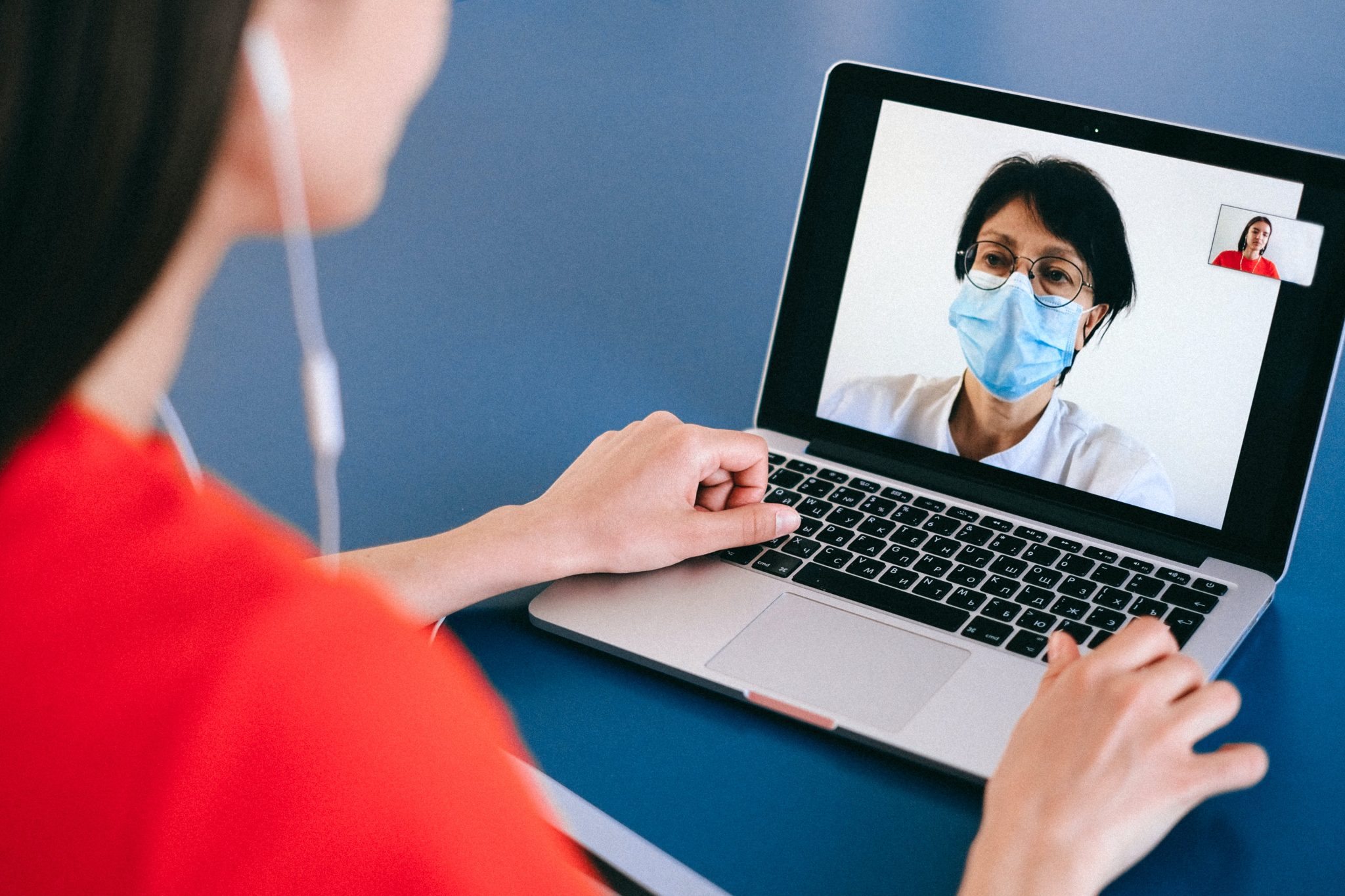
Caring for Caregivers: The Importance of Therapy for Those Supporting Others
Caring for others and being the support system that someone needs in life is a beautiful thing. However, it can also be incredibly challenging and take a toll on one’s mental and emotional health. That’s why today we’re discussing the importance of therapy for caregivers. Often, caregivers neglect their own needs to prioritize those of others. While this may be necessary at times, it’s important to remember that you can’t pour from an empty cup. So, let’s dive into why therapy can benefit those supporting others.
The Struggles Faced by Caregivers
The Emotional Challenges Caregivers Face
Caregivers often carry the world’s weight on their shoulders, making it emotionally draining for them. The emotional challenges faced by caregivers can range from anxiety, depression, despair, and fear. Many feel isolated and alone, even when surrounded by family and friends. The emotional stress can significantly strain relationships, leaving caregivers feeling burnt out and exhausted. Caregivers can find it challenging to ask for help and may feel guilty for reaching out for support. It is essential to remember that seeking help is not a weakness, and caregivers must prioritize their mental and emotional health.
The Physical Exhaustion Caregivers Endure
The physical demands of caregiving can significantly affect the caregiver’s well-being. Caregivers often have to walk a fine line between being attentive to their loved one’s needs and taking care of their own health. Many times, caregivers forgo their own healthcare needs to care for those they love. Physical exhaustion can lead to chronic health conditions for caregivers. They often feel overwhelmed, lose sleep, skip meals, and don’t have the time to exercise, leading to weight gain, high blood pressure, and other health issues. It’s important to prioritize caregivers’ health and well-being to ensure they provide quality care for their loved ones.
The Often Overlooked Mental Health Struggles
Many caregivers overlook their mental health, thinking it’s more important to focus their care on their loved ones. Still, neglecting their mental health can lead to long-term health issues. Depression and anxiety are common mental health struggles among caregivers. The constant worry, emotional stress, financial uncertainty, and social isolation can take a significant toll on mental health. Caregivers must understand that they need to prioritize their mental health and seek professional help. Therapy, support groups, and counseling can help caregivers to cope with their emotions positively.
Why Therapy is Vital for Caregivers
Therapy offers a safe, non-judgmental space for caregivers to express their emotions freely. In therapy, they can openly discuss their struggles with someone trained to help them cope positively. It’s essential for caregivers to have an outlet to process their thoughts and feelings, as it can prevent future health issues and enhance their well-being. Therapy also helps caregivers to develop healthy coping mechanisms, manage stress, and improve communication with loved ones. Here are a few reasons why therapy is vital for caregivers:
Helps caregivers recognize their value:
Caregivers tend to undervalue their role at times, which affects not only their psychological but also emotional well-being. Therapy enables caregivers to appreciate the value and importance they have in their work. It helps them to learn how to find a balance between their physical, emotional, and social well-being without the guilt of taking time for themselves. By talking to a professional, caregivers can learn how the roles played as caregivers and identity should be separated for their mental health.
Improves mental health:
Caregivers are often under much pressure and anxiety, which may cause depression. Therapy sessions can help caregivers by teaching them how to recognize and alleviate stress and anxiety. They can train themselves to get comfortable with the present and be more mentally tough. Treatment may also address mood disorders and the capacity to cultivate a more constructive coping process.
Provides valuable insights and skills:
Therapy is not merely a tool to release your feelings. It provides hundreds of helpful insights and skills that caregivers can apply to their jobs. There are many skills that such individuals should possess, including decision-making, time management, boundary setting, and interpersonal communication, among others, that are crucial in their caregiving roles.
Enables caregivers to become better advocates:
Part of caregiving is the role of an advocate. Caregivers shouldn’t hesitate to speak up when they notice changes in the patient’s condition, discomforts, anxieties, or other issues. But, this role comes with many challenges. While it may feel overwhelming, therapy equips caregivers with better advocacy skills, increasing their understanding of their loved one’s experiences and improving their ability to navigate healthcare systems. It can help them become more assertive, communicating their loved ones’ needs better and confidently.
Overcoming Stigma Associated with Therapy
The stigma associated with therapy stems from the stereotypical belief that seeking professional mental health assistance indicates that something is wrong with you. This notion makes people hesitant to seek help in the form of therapy. The idea of being labeled as “unstable” or “weak” is so ingrained in society that it imposes limitations on those seeking the care they need.
Overcoming the stigma attached to therapy is crucial as it ensures that individuals receive the care they need. Everyone experiences challenges in their lives, and facing them alone can be debilitating. Seeking professional help through therapy can be a beneficial tool to learn coping mechanisms and communicate more effectively. It can help you or your loved one develop a better sense of self, leading to a healthier lifestyle.
To overcome the stigma attached to therapy, it is essential to understand that seeking professional help is a strength and not a weakness. It is important to learn that it is okay not to have to face your challenges alone. Talking to someone who is objective and has a professional background and training can help you process and resolve conflicts. Collaborating with a trained therapist increases the chances of living a more fulfilling life.
We can reduce the stigma by creating an open dialogue around mental health. People can share their experiences and encourage others to seek help using various platforms, including social media, support groups, and organized community events. More public figures and celebrities who encourage and normalize the process of therapy can go a long way in addressing the stigma. Lastly, therapists can work to create a welcoming environment for their clients to increase their comfort.
Seeking help through therapy can provide a sense of empowerment, increase mental health, and improve relationships. It can help you or your loved one identify new coping mechanisms, learn new behaviors, and strengthen your emotional resilience.
Self-Care for Caregivers
As a caregiver, it’s essential to understand why self-care is important. Caregivers are prone to chronic stress, anxiety, and depression, which can lead to physical health problems such as high cortisol levels, heart diseases, and strokes. It’s vital to ensure that you’re taking care of your own physical and emotional needs to avoid burnout. Take the time to reflect on your well-being, and give yourself permission to practice self-care without feeling guilty.
The Impact of Self-Care on Overall Well-Being
The impact of self-care on overall well-being is significant. Practicing self-care can lead to lower levels of stress, reduced risk of burnout, and improved physical and emotional health. It can also result in better quality care for your loved one, as you’ll have more energy and a positive outlook. Taking care of yourself can also serve as an excellent example for your loved one, showing them the importance of self-care and healthy habits.
Self-Care Ideas for Caregivers
Self-care doesn’t have to be complicated; it can be as simple as taking a walk, reading a book, or listening to music. Incorporating self-care into daily routines can be challenging, but it’s essential for overall well-being. Try to schedule self-care activities throughout the day; taking a few minutes for yourself can help you feel recharged. If you have a busy schedule, consider outsourcing some caregiving tasks or reaching out to family and friends for help to make more time for yourself.
Conclusion – Caregivers Matter Too
The role of a caregiver is often selfless and demanding. Caring for loved ones can take a toll on their physical, mental, and emotional well-being. Hence why therapy is essential for caregivers to maintain a healthy balance in their lives. It provides valuable skills and insights, which helps them become better advocates for their loved ones.
At Total Life, we understand the importance of caring for caregivers. We offer various therapy services to support and assist caregivers in managing their challenges effectively. Our therapists are here to help you or your loved one navigate through the ups and downs of caregiving while prioritizing self-care. Give us a call at 1-800-567-5433 to learn more about our services and how we can help.
Online Therapy vs. In-Person Therapy: Weighing the Pros and Cons
Therapy has always been regarded as a method of allowing elderly people to cope with everyday stress. Therapy lets them know their problem, solve it, and get help. Traditional in-person therapy has been the primary therapeutic method used to help seniors. However, during the COVID-19 pandemic, the number of seniors seeking online therapy as a substitute increased. Online therapy, however, is more convenient. Yet, questions about whether it is as effective as traditional face-to-face therapy are a valid concern. As we journey together through this piece, we’ll explore the strengths and weaknesses of online therapy versus conventional face-to-face therapy. Our aim? To enable you with the knowledge to pick the theory of treatment which suits you the best. Believe us, it is one of the most private yet crucial decisions. So, let’s dive in.
Understanding Online Therapy
Online Therapy
To begin, what exactly is online therapy? Teletherapy, or online therapy, is a virtual mental health consultation facilitated online. It helps when you can see your therapist from the comfort of your home or wherever you can access a computer or smartphone without additional costs. This type of therapy has seen tremendous popularity growth, especially during the pandemic, since it promises easy delivery of mental healthcare services. access mental health care.
Different Platforms for Online Therapy
Online therapy is available on several platforms, with varying approaches, costs, and services. Some platforms provide video conferencing, text messaging, and phone calls as possible communication paths with the therapist. Others offer group therapy or specialize in specific therapy, like cognitive-behavioral therapy (CBT) or mindfulness-based approach.
How it Works
After finding a comfortable platform, the process is relatively straightforward. It would require a computer, tablet, or smartphone with a decent internet connection. You’ll also have to register and fill in basic information about yourself. Following that, you will be paired with a qualified therapist according to your needs. In the initial session, you will usually be able to formulate goals for your therapy and discuss any concerns or difficulties that may arise.
For your sessions, you will send messages to the therapist using any text chat, audio, or video modes available on the platform. While some platforms deliver round-the-clock access to therapists, there are predetermined sessions in others. It’s important to remember that online therapy may not be suitable for everyone, and traditional in-person therapy may be more effective in some cases. However, it can be a helpful alternative, especially for seniors with difficulty leaving their homes.
Understanding In-Person Therapy
In-Person Therapy
In-person face-to-face or traditional therapy is a type of talk therapy where a patient meets with a licensed mental health professional in an office or clinical setting. In-person therapy allows for a deeper and more meaningful connection between the therapist and the patient, with the therapist being able to read non-verbal cues and body language. It is important to note that in-person therapy does require a patient’s physical presence and does not allow for remote or virtual sessions.
How Does In-Person Therapy Work
A typical in-person therapy session lasts 45-60 minutes. It begins with the therapist asking about your week and any issues you want to discuss. The therapist will listen to you and may ask questions to better understand your situation and your mental health needs. The session is designed to give you a safe and supportive environment to explore your emotions and thoughts without judgment.
The therapist may utilize different techniques to help with anxiety, depression, or other mental health issues. The techniques used by the therapist will vary depending on the patient’s needs and the therapist’s training and expertise.
The duration of in-person therapy varies depending on the patient’s mental health needs and goals. Some patients may only need a few sessions to address a specific issue. In contrast, others may require more extended treatment for more complex issues. Generally, the therapist and patient will work together to determine the most beneficial treatment length and frequency.
Unpacking the Benefits
Online Therapy
Convenient and Flexible
Seniors benefit from the convenience and accessibility of an online therapy session. One major positive aspect of this mode is that you can join the meeting anywhere and at any convenient time. Gone are the days when you needed to travel to a clinic or office and wait in waiting rooms. Online therapy sessions can be scheduled on your own time, so you can attend therapy sessions around your other commitments. This is particularly beneficial for seniors with mobility issues, who may struggle to travel to a physical location.

A Wide Range of Professionals to Choose From
With online therapy, you have many therapists to select from. If you want, you can visit the therapists’ profiles and study their credentials and qualifications before choosing the best one for you. Thus, you shall find a therapist that you feel most comfortable with.
Cost-effective
Online therapy can be cost-effective. It eliminates the need to spend money on transportation, parking, and any other costs associated with traveling to a physical location for therapy.
In-Person Therapy
Personal Connection
One of the advantages of face-to-face treatment is the interpersonal relationship that is established between the therapist and the client. Compared to virtual sessions, having a session in a shared space with another human may help in comfort and safety. For senior citizens, who can also be facing loneliness and isolation, the physical presence of a therapist can make all the difference. Communication between therapist and client can also be assisted by observing body language and facial expressions.
Improved Communication
As with any therapeutic session, the client can communicate with the therapist more effectively face-to-face. This is relevant because older adults might suffer from loss of hearing or eyesight and may find it hard to communicate well online. Face-to-face therapy also permits the elderly to notice nonverbal signs and tone of voice, among other elements of communication that may be overlooked during an online session.
Building Trust
For seniors who may have experienced trauma or abuse in their past, building trust with a therapist can be challenging. In-person therapy allows for face-to-face interactions that can help build trust between the client and therapist. This can be especially important for seniors who are dealing with issues such as anxiety or depression.
The Drawbacks – It’s Not All Rosy
Online Therapy
Limited Communication
Complete communication is another challenge that accompanies online therapy. In-depth interaction is common with conventional one-on-one therapy, but online therapy is mainly mediated through technology. This approach to therapy depends on the availability of the internet, the use of webcam software, and computerized devices that sometimes tend to not work correctly. The older adult population with hearing and vision problems may struggle to follow a remote discussion.
Privacy and Security
The therapist must use safe channels to prevent information leaks and preserve confidentiality. This includes having secure communication platforms and encryption protocols. However, despite the therapist’s efforts to comply with the privacy statutes, there are instances where the video streaming or video recording software may be compromised through cyberattacks or any other security breaches. This might result in valuable information being accessed by others.
Technical Issues
Non-tech-savvy seniors may find it difficult to navigate the software or platform used in therapy. They may require support to organize the video conferences. This may also contribute to frustration and anxiety and, possibly, missed therapy sessions. Technical issues such as dropped calls, distorted pictures, or low-quality sound also interfere with the therapy process, making it less efficient and ineffective. However, face-to-face sessions are more convenient and have fewer technical challenges, as most advanced people are comfortable with traditional face-to-face communication.

Lack of Personal Connection
Online therapy may lack the personal touch and relationships seniors build with their therapists during in-person therapy. The therapist’s body language, facial expressions, and tone may not effectively transmit over video calls, leading to a loss of rapport and a reduction in trust. This lack of personal connection can hinder the senior’s ability to open up, express their emotions, and receive the help that they need to confront their mental health issues effectively.
In-Person Therapy
Limited Accessibility
Availability is one of the most critical disadvantages of traditional face-to-face therapy offered to seniors. Most elderly people are immobile or lack transport, making it impossible for them to come to attend regular therapy sessions.
Wait Times and Limited Availability
The wait times and limited appointment availability is another problem with in-person therapy for seniors. Depending on the location, the waiting period for specialized senior therapists may vary greatly, from a couple of weeks to several months. Additionally, in-person therapy is often only available during typical business hours, leaving those retired, with work or family obligations, or with mobility impairments unable to attend sessions. The scarcity of appointments and therapists might cause seniors to not receive the help they need.
Stigma and Discomfort
Lastly, senior citizens are less likely to go to therapy in person because of the negative image associated with and times of people with mental health disorders. Even though this stigma is fading, it can still be difficult for older adults who were brought up during another period of our history. Also, some elderly people may find it difficult to talk about their emotions, feelings, and personal issues regarding an unknown person face to face. This uneasiness may discourage older adults from seeking any assistance, even when they have mental health issues.
Conclusion: Choosing What’s Best for You
At the end of the day, which type of therapy you choose depends on your individual preferences, lifestyle, and resources. Online and in-person therapy have pros and cons, and you should weigh them based on what’s essential for you. For example, if convenience and flexibility are critical, online therapy might be the better option. If you want connection and in-person interaction, in-person therapy will be worth the extra effort and expense.
Total Life Counseling offers online therapy for seniors, providing a safe and secure platform to receive counseling from the comfort of your home. Our experienced therapists understand the unique challenges that seniors face. They are dedicated to helping you improve your mental health and overall well-being. Contact us today to schedule an appointment or learn more about our services! So, regardless of which format you choose, seeking therapy is always a step towards taking care of your mental health. Remember to prioritize self-care and reach out for help when you need it!
Visit them today at Total Life.com or call 1 800 567 5433 and let the magic of Total Life redefine your holiday season. Because your well-being deserves a spotlight.
Different Types of Online Therapy Services for the Senior Population
As we age, our lives change a lot. Seniors are often lonely and may suffer loss and chronic health issues, these too affect seniors’ mental health and overall well-being. Seniors may face difficulty in seeking help for these issues if they are not able to access in-person therapy services. That is why online therapy services among the senior population are becoming more widespread. They provide an easy, simple solution for seniors to get the assistance they require without even having to leave the confines of their residences. Let’s delve into the various online therapy services offered and discuss how they can be of use to you or your loved one during their golden years.
The Need for Online Therapy Among Seniors
It’s estimated that 14% of the senior population suffers from some form of mental illness. The most common issues among seniors are depression, anxiety, cognitive decline, and substance abuse. Despite gifting society with a wealth of wisdom and experience, many seniors, regrettably, still encounter ageism. This unwarranted bias can cast a shadow over their mental health, impacting the inner glow that comes with their years of knowledge and understanding.
We all deserve access to mental health care, don’t we? Yet, for seniors, there are a few stumbling blocks to getting traditional, face-to-face therapy. Some of the reasons include mobility limitations, transportation barriers, and a lack of affordable services. For others, simply leaving their home may be a challenge due to physical or mental health conditions. Finally, stigma and shame around seeking help for mental health issues can also prevent seniors from seeking the care they need.
Fortunately, online therapy services offer a solution to these barriers and provide seniors with accessible mental health support. Recent studies bring heartening news that online therapy methods hold their ground beautifully when compared to traditional face-to-face mental health treatments. It’s truly wonderful to learn that their effectiveness is on par, offering us the same quality of care, but with the added comfort of accessibility.
Different Types of Online Therapy Services
Online therapy has been gaining momentum and for good reason. It’s an excellent option for seniors who are unable to access traditional mental health services due to the barriers mentioned earlier. Here are some of the different types of online therapy services available:
Cognitive Behavioral Therapy (CBT)
Cognitive Behavioral Therapy is one of the most popular types of online therapy services being offered today. It is also a short-term kind of treatment that is very ideal for senior who suffers from anxiety, depression, or other mental illnesses. CBT concentrates on the modification of negative thought patterns, emotions, and behaviors that play a big role in the emergence of mental health issues. As the current gold standard in psychotherapy, seniors seeking to make improvements in their overall mental and emotional well-being can benefit greatly from undergoing CBT therapy.
Dialectical Behavior Therapy (DBT)
Dialectical Behavior Therapy is one type of therapy aimed at assisting elderly people in becoming more sociable, mastering interpersonal relations, and coping with relevant distressful situations. For those seniors with mood disorders borderline personality disorder or experiencing chronic pain, this could be helpful. DBT is training elders how to monitor their own emotions and not to let emotions rule them, enabling them to have a better sense of resilience and stability of emotions.
Interpersonal Psychotherapy (IPT)
Interpersonal Psychotherapy is biometric therapy based online where the focus is on improvement of a senior’s interpersonal relations and communication skills. It is particularly helpful for seniors who are dealing with loss, grief, or social isolation. IPT sessions often include talking about present relationships and identifying unresolved problems. Seniors will learn to reach out to their respective feelings in a more effective communication way through IPT, which will enable them to create stronger and richer relationships.
Mindfulness-Based Stress Reduction (MBSR)
Mindfulness-Based Stress Reduction is a therapy that applies mindfulness techniques such as meditation and breathing exercises combined with cognitive-behavioral strategies to assist in stress reduction and the promotion of general health. Particularly helpful for seniors who are chronically ill or anxious. MBSR can teach seniors how to better deal with stress and how to better cope with their situation in a way that can help them lead a better life.
Family Therapy (FT)
Family Therapy is a type of therapy that involves the entire family in sessions to address and resolve issues affecting the family as a whole. It can be helpful for seniors who live with or rely on their family for support.
Benefits of Online Therapy for Seniors
Online therapy services offer many benefits for seniors, including:

Convenience and Accessibility
Seniors do not have to worry about transportation or issues with mobility because of online therapy they can now receive their therapy at home. Additionally, round-the-clock internet counseling is sometimes offered so that seniors can obtain assistance during times of turmoil without having to wait. Seniors living in rural or remote areas where mental health resources may be limited can greatly benefit from this support.
Privacy and Comfort
Some older people may feel more at ease in addressing personal matters in an online therapy session where they can pick a quiet and comfy spot. Seniors do not always find it easy to reveal their mental health problems in front of a therapist, however, online counseling gives them a platform to connect with a counselor inside an atmosphere that feels secure and homely.
Cost-Effective
Online therapy sessions typically come for less money than face-to-face therapy. Seniors no longer need transportation end will save both time and money on traveling costs. This can be quite a considerable advantage for seniors on a fixed income or those without insurance.
Access to a Wider Range of Therapists.
One more good thing that can be mentioned about online therapy is that some seniors may have an opportunity to contact more therapists who can specialize in different areas. Regardless of the therapist’s location, seniors are easily able to find therapists who have experience treating their specific mental health problems. This means that seniors can find the best therapist for their needs rather than settling for a therapist who just happens to live nearby and may not be an ideal fit.
Reduced Stigma
Many seniors avoid traditional therapy due to the stigma connected to mental health problems. Online therapy eliminates this stigma as it guarantees anonymity and confidentiality. It is a pretty important thing to admit mental issues to oneself it is much more important to tell another person about what he or she barely knows. Online therapy gives elders the chance to share their feelings without bias, hide behind their fears, and get treatment in the best and most confidential way.
Improved Mental Health and Overall Well-Being
Lastly, the most important benefit of online therapy among the elderly is improved mental health and overall quality of life. Online therapy gives seniors the tools and support to manage their mental health while also allowing them to enjoy life more fully. Online therapy options, on a regular basis, can help seniors cope with anxiety, depression, and other mental health problems leading to better lives and fewer cases of hospitalization or medical intervention.

Choosing the Right Online Therapy Service
When considering online therapy services, there are factors to keep in mind to ensure you choose the right one for your specific needs. Here are a few things to consider:
- Are you interested in psychotherapy, family counseling, or other therapy? Choose the online therapy service that works with your specific type of therapy; the one that is the most productive or beneficial to your needs.
- Is it safe and compliant with HIPAA? Then, they make sure that your personal data as well as the contents of the session will remain confidential.
- Am I willing to pay for the services offered? It is important to note that cost should not be the only determining factor, but it is crucial to find an online therapy service that doesn’t cost you a lot of money. Look for providers that accept insurance like Medicare.
- What is their availability? Make sure the service offers appointments at times that work for you and fit your schedule.
- Do they provide a wide range of therapists? Consider a service with therapists drawn from different backgrounds and specialized fields to increase your chances of identifying the right fit for your purposes.
- How easy is it to use? Make sure the online therapy platform is user-friendly and can be accessed on your preferred device.
Aside from these, you may also ask for recommendations from friends or family who have used online therapy services. It’s also beneficial to do some research on the therapists and their qualifications before committing to a service.
Final Thoughts
The benefits of online therapy services for seniors cannot be overstated. From the convenience and flexibility of scheduling to the elimination of transportation barriers, the possibilities are endless. At Total Life, we believe that mental wellness should be accessible to everyone, which is why we offer Medicare-covered therapy sessions online. Whether you are struggling with anxiety, depression, or other mental health concerns, we are here to help. We encourage seniors to explore these different types of online therapy services and find the right fit for them. It’s never too late to prioritize your mental health and well-being, and with Total Life, it’s never been easier. Call us at 1-800-567-5433.
Understanding the Basics of Therapy Counseling and Its Benefits
As we get older, we often face different types of issues: physical, emotional, mental, and social. Some of us might be facing long-term sickness, losing close family members, or feeling sad and alone. These situations can be too much and hurt our total health. Luckily, therapy counseling can help us feel better mentally and deal with life’s problems. In this process, psychologists help people of all ages. They give them support and advice to make their mind healthy and have a better life overall. Therapy counseling uses proven methods like talking therapies to create a safe place to talk with a fair and non-judgmental expert about your issues.
What is Therapy Counseling?
Counseling, also known as talk therapy or psychotherapy, is a team effort between someone with special training, like a psychiatrist or counselor, and you, the client. The goal is to improve your mind and heart by discussing emotions, things you do, and how you relate with others. It is an effective tool for helping individuals navigate various life challenges and struggles. The counselor or therapist listens carefully, gives support and advice, and assists the person in learning ways to deal with problems.
The goal of therapy counseling is simple: to assist you in picking improved decisions and ways of handling things, leading to a happy and smoother life. If you work with a therapist, they can assist you in getting to know your ideas and goals more clearly. This aids in solving any mind-related problems and helps you feel good both mentally and physically.
How Therapy Counseling Works
In therapy sessions, your therapist is with you to guide you on your path of finding out about yourself. They will assist you in finding out your goals and work with you to make plans that can change those goals into real life. Picture them as a helpful friend on this trip, always prepared to listen carefully when you have worries.
The therapist’s job isn’t about giving out easy answers or solutions. Instead, they’re there to help you find your way of finding yourself and growing. They’ll make you look inside yourself, test your thinking, and discover new things about who you are.
A crucial part of therapy counseling is keeping secrets. You can feel safe because everything you discuss in your meetings is kept secret. Your privacy and trust are essential. All therapists keep their secrets safe by following strict rules of confidentiality.
And let’s not forget the healing connection itself. The connection between you and your therapist is vital to the trip. It’s made on equal respect and trust, giving you a secure area to look at your emotions and ideas. Your therapist will always help you through hard feelings and life experiences. Counseling for therapy is all about making you do well. It’s about giving you the tools and knowledge to deal with life difficulties.
Types of Therapy
Therapy counseling includes a diverse range of techniques. Each one is designed to address specific issues and challenges. The treatment can be based on your circumstances and the therapist’s approach. Some common types of therapy include:
Cognitive-Behavioral Therapy (CBT)
This treatment helps with learning about and changing negative thought patterns and behaviors that lead to mental health problems. It aids people in developing healthy coping strategies and skills to manage their symptoms effectively.
Interpersonal Therapy
This method focuses on improving relationships and solving problems that may lead to mental health troubles between people. It helps individuals have better and more effective communication skills and enhance their social interactions.
Dialectical Behavior Therapy (DBT)
DBT combines behavioral therapy, mindfulness, and acceptance to help individuals regulate their emotions and improve their relationships. This really helps those with an unstable personal mindset and self-destructive behaviors.
Mindfulness-Based Therapy
Mindfulness-based therapy involves using meditation, breathing techniques, and other careful actions to assist individuals in cultivating awareness and acceptance of their thoughts and emotions. This method helps in reducing worry, managing feelings, and making the mind more healthy all around.
Family Therapy
In family therapy, everybody in the family joins the counseling process. It focuses on improving communication, solving ongoing and past conflicts, and growing bonds within the family. Therapy for families can help when problems like dysfunction, trauma, or addiction are affecting the entire family.
Group Therapy
Group therapy brings together individuals facing similar challenges under the guidance of a trained therapist. It provides a supportive environment for sharing experiences, gaining insights, and receiving feedback from peers. Group therapy fosters a sense of belonging, validation, and interpersonal growth. It is a helpful place to talk about what they experienced, learn new things, and get advice from others. Group therapy helps people feel a part of something and valued, and their relationships improve.
The Benefits of Therapy Counseling
The significance of therapy counseling indeed cannot be overstated. It’s like a guiding light in the midst of a storm, providing hope and direction when things seem a little uncertain. Let’s walk through some of the key benefits:
Addressing Mental Health Conditions
Therapy counseling is a big help when dealing with mental illnesses like depression, anxiety, and bipolar disorder, as well as problems with drug use. It’s not just about fixing problems – it’s about looking into the real reasons and helping you know more about how you feel, think, and act.
Support Through Life Transitions
Each type of therapy is made to solve a certain problem, and each one has its own way of doing things. But therapy isn’t only used to deal with mental health problems. It’s very helpful to those facing tough life events like grief, divorce, job loss, or big changes. It gives a secure place for you to share your emotions and help yourself deal with these difficulties.
Fostering Self-Awareness
Also, getting help makes you more aware of yourself. This can be very important in connecting with others and even yourself better. This can improve your friendships, help you talk better to others, and even increase how much you like yourself. It’s like having a map that assists you in traveling through the complicated feelings area. Therapy counseling is very important to help improve mental health. It gives the needed help, advice, and tools to assist people in managing their mental health issues well.
Enhancing Relationships and Communication Skills
Getting advice from a therapist can also improve relationships and help with talking to others. By dealing with past traumas, unresolved conflicts, and bad habits, you can learn how to make better connections that bring happiness. It lets people interact well with the ones around them. This can bring a better and happier life in all ways.
Increased Self-Esteem and Confidence
With help from a counselor, you can better understand how you think and feel. This can lead to more understanding of yourself. This may lead to you becoming more confident and having higher self-worth.
Boosting Overall Well-being
Beyond fixing specific problems, therapy counseling is critical to improve our overall health. It can help lower stress, strengthen us, and raise our happiness. It’s like regularly fixing your mental health, which is essential.
Strengthened Coping Mechanisms
Without the right tools and help, handling tough feelings or dealing with life’s troubles can be hard. Therapy helps people learn how to manage stress, worry, and other mental health problems by giving them healthy ways of dealing with it. Additionally, it assists in spotting things that cause problems and forming plans to beat them.
Specialized Approach
One big benefit of therapy counseling is how it’s designed just for you. If you’re dealing with sadness, worry, or other mind problems, a therapist can help to meet your needs and get you past these troubles. Working with a certified therapist can help you create a plan that is just for you and centers on your situation.

Starting Therapy Counseling – What to Expect
The therapist will start with an initial assessment when you come for the first time. You’ll discuss why you sought help, any past health issues or treatments, and if anything is bothering you. This initial meeting will let your therapist better understand your needs and provide personalized treatment that aligns with your unique needs.
Every time you see your therapist, they will help you share what’s on your mind and feelings. They also work together to find ways and tools for handling problems. Then, they can assist you in reaching your goals.
There is no fixed duration for therapy, as the frequency and length of your treatment will depend on your individual needs and progress. Short-term therapy might suffice for some individuals, while others may require long-term treatment to achieve lasting results. Your therapist will work closely with you to establish your goals, develop a treatment plan, and monitor your progress, making any necessary adjustments along the way.
There’s no set time for therapy because how long and often it goes on will depend on what you need and how fast you get better. Some people might need short-term treatment, but others may need long-term therapy to have lasting benefits. Your doctor will collaborate with you to make goals, create a treatment plan, and watch your growth. He or she will change anything needed while checking how well you’re doing.
Conclusion
Seeking therapy counseling can be a difficult decision. Still, we want you to know that you’re not alone. Our team at Total Life is here to support you every step of the way. We believe in the power of therapy counseling to improve your overall well-being and help you achieve personal growth.
Therapy counseling offers numerous benefits. It’s a journey that can help you build strong coping mechanisms and navigate life’s challenges more effectively.
We encourage you to contact us if you’re ready to take the first step toward therapy counseling. Our team of qualified and compassionate therapists is committed to providing personalized care that aligns with your unique needs and preferences. Contact us today at 1-800-567-5433 to schedule an appointment and start your journey towards a healthier, more fulfilling life.
Therapists Who Accept Medicare: Your Guide to Accessing Mental Health Support
Life can be tough, and as we age, it can become even more challenging. Seniors often face numerous issues that may impact their mental health, including chronic pain, declining health, isolation, and loneliness. Mental health support is crucial to maintaining overall health. Medicare program offers various options and resources to help seniors access the required care for their mental health needs. This guide aims to help seniors navigate the world of mental health support and explore Medicare coverage options.
Medicare Mental Health Coverage
Medicare is a government-run health insurance program designed to offer medical and mental health coverage to qualified individuals, including those aged 65 or older and those with disabilities. Although distinct from Medicaid, which focuses on providing healthcare coverage to low-income households and individuals, both programs share the common goal of improving access to essential healthcare services.
Medicare offers comprehensive mental health benefits to its members, including telehealth services, which continue to improve the accessibility of mental healthcare services in the U.S.2 Under the Medicare program, coverage for mental health services is provided under the umbrella of Part B, which covers outpatient services. This coverage includes a wide range of services, including diagnostic assessments, individual therapy, group therapy, medication management, and family counseling. Medicare beneficiaries are not only provided with basic mental health services but can also receive advanced care for more complex mental health issues. The flexibility of these services has made it easier for beneficiaries to access critical care, ensuring that they receive the support they need when they need it.
Medicare will cover telehealth services through December 31, 2024, regardless of where the patient is located. This means that you can receive mental health services from the comfort of your own home. After December 31, 2024, there will be some restrictions on telehealth services for mental health. Most telehealth services will need to be provided in an office or medical facility. However, certain Medicare telehealth services will still be available without the need to be in a rural healthcare setting.
It’s important to note that mental health coverage under Medicare is not unlimited. There are certain limits on the number of therapy visits that are covered each year, and some services may require a copayment. However, for many people, the coverage that is provided is a lifeline that allows them to get the help that they need to manage their mental health issues.
Co-payments and Out-of-Pocket Costs
In addition to the coverage provided by Medicare for mental health services, there are some out-of-pocket costs that beneficiaries may need to pay. This includes co-payments for each visit with a therapist or other mental health professional, as well as any additional costs for medications or specialized treatments.
Telemedicine (online appointments) works like regular doctor visits—the beneficiary still pays the same amount. To avoid surprises, it helps to know exactly how much you’ll pay for healthcare services. Try keeping track of how much you spend so you don’t end up with big bills later. Knowing these costs can also help you plan and use your Medicare benefits wisely.
Choosing Mental Health Providers That Accept Medicare
Many healthcare providers accept Medicare, but some mental health providers may not. A quick online search or a call to your healthcare providers will give you a good understanding of whether they accept Medicare. Medicare also has a tool called “Physician Compare” that lists providers and their services’ details, including whether or not they accept Medicare.
Tips for Finding Therapists Who Accept Medicare
Finding a therapist who accepts Medicare and is open to providing virtual therapy can be a challenge. Fortunately, there are ways to locate therapists who can help.
Research online directories: One of the easiest and quickest ways to find a therapist who accepts Medicare is by using online resources such as the Medicare.gov website. They offer lists of mental health professionals who take Medicare and who are offering virtual therapy services. The website allows you to search by location and specific requirements of a therapist. Once you have a list of potential therapists, make a point to research their specialties and read reviews or testimonials from other patients.

Ask your primary care physician for recommendations: Another option for finding a therapist who accepts Medicare is by asking your primary care physician for recommendations. Doing so has the added benefit of having a health professional who already knows you and your health needs make recommendations for providers they trust.
Utilize Telehealth services: If you are having trouble finding a therapist near you who accepts Medicare, consider using telehealth services. Telehealth services are growing and offer services to patients all over the U.S. Telehealth allows patients to have an appointment with a therapist on an online platform such as Zoom, FaceTime, or Skype. Total Life is a great option if you are searching for telehealth services that accept Medicare.
Check with local mental health organizations: Many local mental health organizations offer resources and support for finding therapists who accept Medicare. Check with your local chapter of the National Alliance on Mental Illness (NAMI) or the American Psychological Association (APA) for potential recommendations. These organizations may also offer support groups and other resources for seniors seeking mental health therapy.
Making your Appointment and Preparing for Your First Session
Choosing a Mental Health Professional
The first step in taking care of your mental health is choosing a mental health professional. There are various types of therapists, counselors, and psychiatrists out there practicing different forms of therapy. It’s important to ask for recommendations from people you trust or check the credentials of professionals online.
Making the Appointment
Once you’ve found the professional you feel comfortable with, the next step is to make an appointment. Remember that despite the doctor’s schedule and availability, your schedule is important as well. You may want to ask if they offer evening or weekend appointments or telehealth appointments as an alternative.
Preparing for the First Session
Before your first session, it’s important to be prepared and have realistic goals in mind. Write down any concerns, questions, or reasons why you’re seeking help. It’s also important to be honest and open with your mental health professional about your lifestyle, hobbies, and any medication you’re taking.
During the First Session
It’s normal to feel nervous or anxious during your first session. But remember, the mental health professional is there to help, not to judge you. They will ask various questions regarding your mental health history and lifestyle, so they can assess your needs and guide you in the right direction. Feel free to ask any questions you may have.

Follow-Up Sessions and Progress
After your first session, your therapist will advise you on the next steps, including follow-up sessions and referrals to other resources. It’s important to be consistent and attend follow-up sessions as recommended. If you experience any negative side effects from medication or therapy, speak up and let your therapist know. Mental Health Professionals are equipped to handle negative side effects and can suggest alternative solutions to achieve your mental health goals.
Mental Health Apps
In addition to traditional mental health services, several smartphone apps and online resources can support your mental health journey. Though they do not replace in-person counseling, they can supplement existing therapy or serve as a starting point for those beginning their mental health journey. Medicare Advantage Plans often offer mental health apps and resources as part of their mental health services.
Conclusion
As we grow older, our mental health is just as important as our physical health, if not more. That’s why seniors need to take advantage of Medicare’s mental healthcare coverage, which provides access to numerous mental health services. With Medicare, seniors don’t have to worry about unaffordable medical bills; some services are fully covered with a minimal cost-sharing arrangement. Seniors need to know about this coverage and take advantage of it to live a happy, healthy life.
At Total Life, we understand the value of mental health and strive to provide compassionate, expert care for seniors. With original Medicare, seniors can access our services and take the first step towards improved mental well-being. Don’t hesitate to reach out and start your mental health journey today. Remember, you are not alone, and Total Life is here to support you every step of the way. So don’t wait any longer – take control of your mental health with Medicare coverage and Total Life’s trusted services.
Visit them today at Total Life.com or call 1 800 567 5433 and let the magic of Total Life redefine your holiday season. Because your well-being deserves a spotlight.
Navigating Insurance for Virtual Therapy: What You Need to Know
Therapy, including virtual therapy, can be an essential element of maintaining good mental health, and can help seniors navigate the emotional challenges that come with aging. As the world continues to progress and become more reliant on digital technology, virtual therapy has become a popular and effective alternative to traditional in-person therapy. With convenient accessibility and the ability to maintain social distancing, it’s no wonder that seniors are turning to virtual therapy for their mental health needs. But when it comes to paying for therapy, the insurance landscape can be confusing to navigate. This confusion is worsened by the fact that policies governing insurance coverage for virtual therapy have changed in recent years.
Understanding the Insurance Landscape for Virtual Therapy
Previously, some insurance plans only covered in-person therapy sessions, so virtual therapy wouldn’t have been covered under those plans. However, this has changed recently: with virtual access being essential during the pandemic, many insurance companies have changed their policies and now allow coverage for virtual therapy services. Check with your insurance provider to see whether they now cover virtual therapy for seniors. For the most part, coverage is now available, and seniors can continue the therapy services they need—at home, right from their computer.
It’s essential to determine whether your insurance policy covers the service. To do so, it’s best to call your insurance provider and ask about their coverage for virtual therapy services. Some policies may require a referral from a primary care physician or pre-authorization before starting virtual therapy sessions. It’s essential to check with your insurance company beforehand to avoid any surprises when the bill arrives.
Medicare and Virtual Therapy
Medicare expanded its coverage during the COVID-19 pandemic to allow for telehealth services, including mental health services, to be delivered virtually. This means that if you have Medicare, you can access virtual therapy services from the comfort of your own home.
Individuals do not need to be in a rural area to access teletherapy services. However, after the end of December 2024, individuals may need to go to a medical facility or office located in a rural area if they wish to access most telehealth services. However, some telehealth services such as monthly substance use disorder or mental health disorder treatments can be accessed at home, even after the designated period ends.
Medicare Advantage Plans and some providers in certain Medicare Accountable Care Organizations (ACOs) may offer more telehealth benefits than the ones provided under Original Medicare.
Copayments and Deductibles
While some insurance companies are covering the costs of virtual therapy, others may have out- of-pocket costs associated with virtual therapy. It’s important to ask your insurance provider directly about these costs, and also to ask your therapist about their fee structure. Some therapists may offer a sliding scale for payment, while others may be in-network with your insurance and have negotiated fees.
Providers accepting Medicare, like Total Life can offer teletherapy services to eligible individuals. Medicare beneficiaries are required to pay a 20% co-pay for Medicare-approved teletherapy services after the Part B deductible has been met. The cost of these services may vary depending on the provider charges, the type of facility, the location of the service, among other factors.

Platforms for Virtual Therapy
One of the primary concerns when it comes to virtual therapy is security. To ensure that the therapy platform you are using is safe, you should check if the service provider follows the HIPAA’s Security Rule and Privacy Rule.3 These rules require the adoption of technical controls to protect patient data privacy.
HIPAA’s Security and Privacy Rules have laid down strict guidelines for the platforms used by service providers to ensure patient data remains secure and confidential. Platforms need to comply with these federal regulations to protect patient data from unauthorized access, disclosure, or any other impermissible use.
Service providers can use a variety of measures to secure the platforms used for virtual therapy. Encryption provides an additional layer of security, as it encrypts the data transmitted between the therapist and patient, ensuring that only authorized persons can access the data. Firewalls and anti-malware software help protect against unauthorized access, viruses, and malware.
It is also crucial that the service provider implements and informs patients about their policies and procedures concerning the safe storage, transfer, and disposal of patient data. Data should be stored in a secure location, and encryption protocols used when data is transferred. When data needs to be disposed of, the provider must ensure it is done so in a safe and secure manner.
Communication with Providers and Insurance Companies
When communicating with insurance companies, it is crucial to have all necessary information and documentation ready. This may include a prescription for therapy from your primary care physician, proof of diagnosis, treatment plan, and receipts from virtual therapy sessions. Be prepared to provide this information in a timely manner to ensure smooth processing of insurance claims.
Also make sure to ask all necessary questions regarding insurance coverage, copayments, and eligible platforms. Additionally, keep in mind that some insurance companies may have limitations or restrictions when it comes to virtual therapy, so it is important to inquire about these beforehand.
Alternatives for those without Insurance
For individuals without insurance, there are a range of alternative options available to receive mental health support and care. Sliding scale therapists offer a fee structure that is adjusted based on a person’s income, making therapy more affordable and accessible. Training clinics, often affiliated with universities, can provide low-cost therapy services under the guidance of licensed professionals supervising graduate students. Federally funded health centers serve individuals regardless of their insurance status, providing primary care and mental health services at an affordable cost.
Although not at par with the effectiveness of professional therapy, support groups offer a valuable source of peer-to-peer support, allowing individuals to connect with others who are experiencing similar mental health struggles. These groups can be found through community centers, religious organizations, and mental health advocacy groups. Virtual support groups have also become more popular in recent years, with many options available online.
It’s important to note that while insurance coverage may alleviate some financial burden, it is not necessary to receive quality mental health care. With the different alternatives available, there are ways to access affordable and effective services. It is crucial for individuals to prioritize their mental health and seek support when needed.

Things to Look Out for in a Virtual Therapist
When looking for a virtual therapist, there are a few things to consider. Above everything, make sure they are licensed and have experience in working with seniors. Make sure to take into account their qualifications and experience. A qualified virtual therapist should be licensed in your state and have experience providing therapy specifically through virtual platforms.
Another factor to consider is the virtual therapist’s availability and scheduling. Make sure their availability aligns with your schedule and needs. This may also include considering their time zone if they are located in a different region.
Finally, consider the virtual therapist’s ethical standards and approach. Ask about their confidentiality policies and how they handle emergencies or crises. Ensure that their approach aligns with your values and comfort level. It is important to ensure that you feel comfortable and safe with your therapist. Trusting your therapist is essential to establishing a productive therapeutic relationship.
Conclusion
Virtual therapy is accessible, convenient, and beneficial for seniors’ mental health. A professional virtual therapy session is a simple and effective way to get the support seniors need whenever and wherever seniors need it. Navigating insurance coverage for virtual therapy as a senior may seem complicated, but it doesn’t have to be. Understanding your insurance policy, eligible providers and platforms, copayments and deductibles, and effective communication are crucial components to ensure the success and accessibility of virtual therapy. By being informed and proactive, seniors can benefit from the ease and effectiveness of virtual therapy services.
At Total Life, we understand the importance of senior mental health and are committed to providing quality virtual therapy services. Our licensed therapists have experience working with seniors and are trained in virtual therapy techniques. With original Medicare and most Medicare Advantage plans covering virtual therapy, we strive to make our services accessible and affordable for seniors. Don’t hesitate to prioritize your mental health – consider virtual therapy as a valuable tool in maintaining your overall well-being. Let us support you on your journey towards improved emotional and mental well-being. Remember, it’s never too late to seek help and take care of yourself.
Visit them today at Total Life.com or call 1 800 567 5433 and let the magic of Total Life redefine your holiday season. Because your well-being deserves a spotlight.
Emotional Resilience: Using Online Therapy to Thrive During the Holiday Season
Being a senior during the holiday season can come with its own set of challenges, especially for those who may be struggling with emotional or mental health issues. The stress of the season can exacerbate existing conditions or develop new ones. But there is good news! With technological advancements in recent years, online therapy has become a viable option for seniors seeking support and guidance.
Understanding Emotional Resilience
Emotional resilience is coping with and adapting to negative experiences, such as loss, illness, and major life changes. It doesn’t mean suppressing difficult emotions but finding healthy ways to manage them. Resilient individuals can find meaning and growth from adversity rather than being defeated by it. They have a sense of inner strength that helps them overcome obstacles and maintain a positive outlook.
Importance of Emotional Resilience
We’re more likely to experience emotional stress and upheaval as we age. Age-related decline, including physical health, cognitive function, and social isolation, can all contribute to emotional stress. Over time, stress can affect our physical and mental health. With emotional resilience, seniors can mitigate the negative impact of stress and maintain good mental health. Resilient seniors are also more likely to seek help when needed, which leads to better outcomes.
The Challenges of the Holiday Season for Those Struggling with Mental Health
For many of us, the holiday season is a difficult time. It’s easy to get swept away as people shop, cook, and decorate. The holidays are a particularly hard time for people with mental illness. Here are some of the challenges that seniors may face during this season:
Dealing with Loneliness
One of the greatest challenges seniors face during the holidays is loneliness. The season amplifies feelings of isolation, particularly for those who have lost loved ones or cannot be with family or friends. This sense of loneliness can trigger or worsen existing mental health conditions such as depression. Therapy can provide a safe space to process emotions and work through feelings of isolation.
Financial Pressures
The holidays add additional financial pressures, such as buying gifts, hosting gatherings, traveling, and decorating. Financial stress is a common issue, contributing to anxiety, depression, and other mental health disorders. Seniors may experience this pressure more acutely, particularly those on a fixed income. It’s essential to manage expenses wisely and create a budget that aligns with priorities; this way, seniors can enjoy the holiday season without the fear of added debt burden.
Managing Family Dynamics
The holidays can also bring up family conflicts that create stress and anxiety in seniors. Many seniors navigate difficult relationships with family members or deal with the challenges of blended or broken families. We recommend being honest and setting boundaries when interacting with family members. Seek out supportive therapy or counseling to prepare for anticipated events or work through relationship challenges, and always remember to prioritize your well-being first.
Coping with Memories
For some seniors, the holiday season is a painful reminder of past traumas, losses, or difficult life events. Memories can be triggered unexpectedly, leading to feelings of sadness, anxiety, or panic attacks. It’s important to acknowledge and process these memories, seeking professional help if needed.
How Seniors Can Build Emotional Resilience
Practice self-care: taking good care of yourself is foundational to building emotional resilience. Eating nutritious meals, exercising regularly, and prioritizing sleep can boost mental and physical health.
Seek support: having a network of supportive friends and family members can help to build emotional resilience. Share your thoughts, feelings, and concerns with trusted community members and accept help.
Try new things: challenging yourself with new activities like dancing, learning a new language, or taking up a new hobby can help you build emotional resilience by strengthening your ability to handle uncertainty.
Develop a positive attitude: cultivating a positive attitude towards challenging situations can help you feel more empowered and less overwhelmed. Focus on what you can do rather than what you can’t.
Consider therapy: many seniors find therapy helpful in building emotional resilience. It’s a space to discuss your struggles with an objective third party.

How Online Therapy Can Help with Emotional Resilience
Provides Anonymity
Online therapy also offers privacy and anonymity to seniors. Not all seniors may want to disclose their problems to people they know. With online therapy, you can talk to a therapist without worrying about anyone else hearing your conversations. This anonymity provides a more comfortable and safe space for seniors to express themselves freely and openly.
Increases Emotional Awareness
Online therapy can also help seniors build emotional awareness, which is recognizing, understanding, and managing their emotions effectively. Therapists can help identify emotional triggers and give seniors techniques to cope with overwhelming emotions. This awareness can enhance seniors’ emotional resilience and support them in developing skills to manage their emotions better.
Support system
Online therapy offers seniors ongoing support, which benefits individuals who may feel isolated or have few social connections. A therapist can act as a support system for seniors and help them navigate life challenges. Additionally, most online therapy services offer group sessions where seniors can connect with like-minded individuals and receive emotional support.
Builds Stronger Relationships
Online therapy helps seniors engage in their social life and build stronger relationships. A therapist helps seniors navigate their mental health issues and gives tips on socializing to reduce the feeling of isolation or exclusion from society. These interactions help seniors connect with others, stay mentally alert, and engage in their social lives.
Customization and Comfort
Online therapy allows seniors to tailor their session schedule, method of communication, and preferred therapist. The senior citizens can communicate their expectations with their therapists, and treatment plans can be reached that cater to their needs. The personalized approach brings comfort and a sense of ease, creating a conducive environment for emotional growth and resilience.
Setting Healthy Boundaries While Maintaining Connections With Loved Ones
Remembering the importance of setting healthy boundaries with our loved ones is essential. While spending time with family and friends can bring joy and comfort, it can also increase stress and emotional triggers. Follow this guide to maintain healthy boundaries while staying connected with loved ones during the holiday.
Start With Self-Care
The first and foremost thing to remember is how important self-care is, particularly as we age. When we’re entirely dedicated to others’ needs without addressing our own, we become exhausted and vulnerable to physical and mental illnesses. Ensure you have a robust self-care routine; this could be as simple as walking in nature, reading a good book, or practicing meditation. It becomes easier to set healthy boundaries once you prioritize self-care and focus on your needs.

Communicate Clearly
Boundaries are a natural part of any relationship but require clear communication to work effectively. It can be challenging to have these conversations, but honesty is always the best policy. Speak up for yourself politely and confidently when necessary. Your loved ones may not know that a particular behavior is causing you distress unless you tell them. You could say, “When you raise your voice, it makes me uncomfortable,” rather than keeping silent or withdrawing from the conversation.
Don’t Be Afraid to Say “No”
Saying “no” comes with a feeling of guilt and discomfort, and as a result, many people avoid it altogether. However, saying “no” is a necessary part of setting boundaries. It’s a healthy way of saying that something doesn’t work for you without having to give reasons. Practice saying “no” politely but firmly when necessary while keeping in mind that being selective with what you agree to take on can help avoid overcommitting.
Set Limits and Boundaries
Setting limits and boundaries can be challenging, but putting your needs first is important. Let go of guilt and be honest about what is and isn’t okay. Examples of setting limits could be telling someone you’re only available during certain times or prefer not to discuss certain topics. Clear boundaries can protect you from feeling drained or resentful of others, leading to healthier communication and relationships.
Seek Support
Lastly, when it comes to setting boundaries, know that you don’t have to do it alone. Seek support from a professional, such as a therapist or a qualified care coordinator. Finding someone who can help you navigate difficult relationships, set clear boundaries, and make healthy choices that benefit your overall wellbeing can be invaluable. It’s okay to seek support when you need it.
How Can Total Life Help Seniors Build Emotional Resilience?
Total Life is committed to helping seniors build emotional resilience through various services and programs. The professional staff is trained in geriatric mental health and can provide counseling and therapy tailored to seniors’ needs.
It’s essential to prioritize mental health during the holiday season, and seeking support through online therapy can help build emotional resilience. Think of it as a comfy armchair where you can rest and rejuvenate before diving back into the chaos. With our experienced therapists, we provide personalized care that can assist you in navigating the ups and downs of the holiday season. Imagine getting top-notch therapy while staying in the comfort of your own home – it’s now possible with online therapy.
Visit them today at Total Life.com or call 1 800 567 5433 and let the magic of Total Life redefine your holiday season. Because your well-being deserves a spotlight.
Online Counseling for Seniors: Connecting for Holiday Well-being
As the holiday season approaches, many of us are preparing to see our family and friends. However, amidst the pandemic crisis, seniors, in particular, may have reservations about going out and celebrating due to their fear of contracting the virus. It is a difficult time for them, as isolation and loneliness become daily challenges. Online counseling may serve as a valuable tool in connecting them with experts in mental health.
Understanding the Impact of the Holidays on Seniors’ Mental Well-being
The holiday season is a time of year that many people look forward to with anticipation and joy. It’s a time when families and friends come together to celebrate traditions, exchange gifts, and enjoy special foods. However, for seniors, these celebrations can also take a toll on their mental health. An estimated 2 million Americans over the age of 65 suffer from depression. Many of these cases are triggered by the holiday season.
During the holidays, seniors may experience changes to their daily routines that can trigger loneliness or confusion. Friends and family may be away celebrating with others, leaving seniors isolated and alone. They may also feel out of place in their community as the holiday season can change schedules, surroundings, and routines.
The holiday season can be expensive because of gifts, decorations, and meals. These costs may be overwhelming for seniors, particularly those with limited resources. When seniors experience financial strain, it puts them at increased risk for depression and anxiety.
Seniors may need help adjusting to new traditions or changes to their usual holiday routines. As a caregiver or family member, involve seniors in planning and encourage them to share their ideas and preferences. Be flexible and open to new traditions incorporating seniors’ preferences and values.
Another challenge is the memory of lost loved ones. The festive season can remind them of people who have passed and lead to feelings of grief and sadness. Such emotions can be overwhelming and affect mental well-being, as seniors tend to dwell on these feelings. However, it’s crucial to process the emotions and not ignore them. One solution is to engage in online counseling and seek professional help if the emotions become too hard to handle.
What is Online Counseling and How Does it Work for Seniors
Online counseling, also known as teletherapy or e-counseling, is a mental health service that allows individuals to receive therapy services through an internet-connected device like a smartphone, tablet, or computer. This technology-enabled platform allows seniors to connect with licensed therapists or counselors from the comfort of their homes. It has been proven to be just as effective as traditional in-person counseling.
Virtual therapy or online counseling enables seniors to access mental health services through various mediums like video conferencing, phone calls, chat, or text messages. The process of seeking counseling services online is straightforward. Seniors can search for licensed therapists or counseling services that provide online therapy. Once they find one that suits their needs, they can schedule their appointment and decide on the medium to receive therapy. Next, they’ll have to complete an intake form, which helps the therapist assess their current mental health status and design a treatment plan that suits their needs.

The Benefits of Online Counseling during the Holidays
The pandemic may have made it difficult for in-person counseling sessions, but online counseling has only grown in popularity during this crisis. This holiday season, online counseling allows seniors to prioritize their mental health and well-being during an emotionally taxing time. Online counseling offers many benefits for seniors.
No Travel Required – One major advantage of online counseling is that seniors can participate from the comfort of their homes. This eliminates the stress of physically traveling to an appointment, especially if the weather is bad. It also minimizes the risk of sickness exposure when leaving home is unnecessary. This convenience can make attending therapy much more accessible for seniors who might struggle to leave their homes otherwise.
Flexibility – Online counseling provides seniors with flexibility in scheduling appointments. It’s often easier to find a time that works well with their lifestyle, which minimizes the stress of trying to find a time that is also convenient for the therapist. This is particularly true during the holidays, when seniors may have more obligations such as holiday shopping or preparing for family get-togethers, which online counseling can more easily work around.
More Comfortable Environment – Seniors often feel more comfortable speaking with a therapist in a familiar and safe environment. They may also feel more comfortable sharing their thoughts and feelings from the comfort of their own home. The home can be a secure and non-threatening environment for seniors, making opening up to a therapist easier.
Fewer Stigmas – Unfortunately, there is still a significant stigma surrounding therapy for many seniors. Online counseling provides a more private and discreet setting for therapy sessions. There’s no waiting room, and seniors can participate in therapy without worrying about running into someone they know. This can help alleviate fears and reduce the stigma of seeking help.
Increased Access to Support– Online counseling can provide seniors greater access to counseling and therapy. Finding a therapist near them can be challenging for seniors who live in rural or remote areas. Online counseling can connect seniors with mental health professionals nationwide, allowing them a greater range of choices. Furthermore, online counseling can be more affordable for seniors who may struggle to afford traditional counseling services.
While online counseling offers several benefits for seniors, it also has shortcomings. Some of these include:
Technical Difficulties – Since online counseling requires an internet connection and technological devices like a smartphone, tablet, or computer, technical glitches like poor internet connection and software malfunctions might affect the quality of the sessions.
Limited Non-Verbal Cues – Online counseling cannot replace the connection when communicating in person with a therapist. This is because nonverbal cues play a significant role in communication, and these might be limited in online therapy sessions.
Lack of Physical Comfort – Online counseling can provide a comfortable and safe space for seniors to share their thoughts and feelings. Still, it cannot replace the physical comfort of a therapy session. Sitting in a comfy armchair and talking face-to-face with their therapist may feel more therapeutic for some seniors.
However, these potential drawbacks of online counseling can be overcome by finding the right therapist and utilizing the available technology effectively. With online counseling, seniors can still receive top-notch therapy that meets their unique needs and helps them enhance their emotional well-being.

Where to Find Trusted Services for Senior Mental Health Care
When finding reliable and reputable online counseling services for seniors, there are a few things to remember. First, it’s essential to research and look for licensed therapists who specialize in working with older adults. You can also ask for recommendations from friends or family members who have used online counseling services.
Another option is to seek out websites catering to senior mental health care. These sites often have a team of qualified therapists experienced in working with older adults and can provide personalized treatment plans tailored to their specific needs.
Here at Total Life, we offer comprehensive online therapy services that Medicare covers. Our chief commitment is to ensure that each client receives personalized attention and care. We strive to provide individuals with the necessary support and resources to enhance their mental health.
What sets us apart is our team of therapists who come with extensive experience in working with seniors. They are trained in various therapeutic approaches, ensuring our clients receive the highest quality of care. We understand that each journey is unique, and so should the approach to therapy. So, let us navigate mental health like a jigsaw puzzle – a piece at a time together.
Tips for Preparing for an Online Counseling Session
Preparing for an online counseling session might be a new experience for seniors, but it is a straightforward process. Make sure to choose a quiet and private place for the session, preferably away from household distractions. Seniors should also test their internet connection, camera, and microphone connection before the session. Having a list of topics or issues to discuss during the session is important, making the most out of the time spent with the counselor.
What to Expect During an Online Counseling Session?
The first online counseling session is usually an introduction to the counselor and the therapeutic process. The counselor will seek to connect with the seniors and understand their concerns and challenges. The session may involve answering questions about the senior’s medical history, emotional state, and lifestyle habits. The counselor may also provide seniors with practical coping strategies or exercises. Finally, the sessions are confidential, and the counselors are ethically obligated not to share personal information.
Conclusion
The holiday season can be challenging for seniors, even after the pandemic crisis. Still, online counseling has enabled them to connect with licensed professionals without leaving their homes. Several online resources are available, including counseling, meditation classes, mindfulness practices, and online support groups. The tips highlighted in this article can help seniors prepare for an online counseling session, maximize their time with the counselor, and prioritize their emotional and mental health. Online counseling may make all the difference during these challenging times, and we recommend seniors take advantage of it. After all, everyone deserves to have a happy and healthy holiday season! Let’s make it happen together.
Visit them today at Total Life.com or call 1 800 567 5433 and let the magic of Total Life redefine your holiday season. Because your well-being deserves a spotlight.
Healing from Home: A Closer Look at Online Therapy’s Impact on Mental Health
The COVID-19 pandemic has upended everyone’s lives, causing a great deal of stress for seniors who are particularly vulnerable to the virus. With the pandemic forcing people to stay home, traditional forms of therapy have become scarce, leaving seniors with few options to manage their mental health. However, with the advent of online therapy, seniors are now able to access professional help from the comfort of their homes.
What is Online Therapy and How Does it Work
Online therapy, commonly referred to as psychotherapy or teletherapy, involves the use of digital technologies such as video conferencing, messaging, or phone calls to deliver mental health services remotely.1 This alternative mode of therapy allows individuals to interact with their therapist virtually rather than in person. Online therapy can take on several forms, including individual sessions, or group sessions. Typically, these virtual sessions last between 45-60 minutes and adhere to a structure comparable to that of traditional therapeutic sessions.
Seniors can access online therapy using their computers, smartphones, or tablets. To get started, they need to search for a reputable online therapist or a therapy platform. Once they find a suitable therapist, they can schedule an appointment, complete intake forms, and select their preferred mode of communication. During the session, the therapist will provide support and guidance just like in a face-to-face session.
The Many Positive Impacts of Online Therapy for Seniors
Online therapy has become an increasingly popular mode of treatment for several reasons, and one of the most significant benefits is that it increases the accessibility to therapy for seniors. Here are some of the positive impacts of online therapy for seniors:
Convenient Access to Therapy
Seniors can often find it challenging to visit a therapist in person, especially if mobility is an issue. However, online therapy eliminates this barrier by providing seniors with access to therapy from the comfort of their own home. This convenience eliminates the added stress and strain of travel, parking, and other logistical challenges.2
Access to a Wider Range of Therapists
Online therapy offers seniors access to a pool of therapists from all over the world who specialize in different areas of mental health. This wider range of options means seniors can receive more specialized treatment and find a therapist who resonates with them.3 Additionally, seniors no longer need to worry about location, as they can receive therapy from anywhere globally, further increasing their options.
Flexibility and Convenience
Online therapy allows seniors to access mental health care from the comfort of their own homes. Seniors don’t have to worry about transportation, parking, or mobility issues that may arise when going to a physical therapist’s office. Online therapy sessions are also more flexible, as seniors can schedule appointments that fit their daily routines. Seniors don’t have to take time off work, find a caregiver or postpone important appointments for therapy appointments. This means they are more likely to stick to the therapy routines that positively impact their mental health.
Affordability
Online therapy is often more affordable for seniors. Seniors don’t have to pay for transportation, parking fees, or other incidental expenses that come with regular physical therapy sessions. At Total Life, online therapy is accessible and affordable with original Medicare.

Easy Access to Professional Help
A widespread misconception is that online therapy is less effective because it is done remotely. However, online therapy platforms offer access to a broad range of healthcare providers. Seniors can choose the mental health professional that they trust and feel comfortable with, regardless of their location. You can access therapy from your home with just a few clicks. This is particularly impactful for seniors who live in rural or remote areas, who may not have access to mental health professionals in their community.
Increased Anonymity and Confidentiality
Online therapy provides anonymity, which promotes seniors to openly discuss their issues. As seniors are often more hesitant to share their emotional struggles with family members and friends, online therapy provides an extra layer of comfort. You can share problems and feelings without worrying about running into any of your acquaintances on the way to the therapist’s office. Confidentiality is kept at a higher standard with online therapy compared to traditional in- person therapy, ensuring that seniors can enjoy privacy without having to disclose your treatment to anyone else.
Customized Treatment Plan
Therapists might use specific techniques to help seniors with unique mental health concerns such as depression, anxiety, or loneliness. In online therapy sessions, seniors can receive a personalized treatment plan based on their specific needs. Seniors have the option to ask for additional support or guidance from their therapist if they are trying to work on a particular issue or build coping skills to deal with other problems.
Consistency
With online therapy, there are no physical barriers like distance or illness that might cause appointments to be cancelled or rescheduled. This allows for consistent therapy sessions, which can significantly contribute to the effectiveness of the treatment.
Effectiveness
Studies have shown that online therapy can be just as effective as in-person therapy. This means that individuals can receive high-quality mental health care, regardless of their location or circumstances.6
Improved Socialization
Seniors can communicate with their therapists quickly and interact with other seniors who access online therapy, creating a sense of community. Group therapy is also an option, which can bring about a sense of belonging. Improved socialization possibilities are important as isolation can lead to depression, anxiety, and various other mental health issues.
Common Misconceptions Surrounding Online Therapy
Many individuals, particularly seniors, are still hesitant to embrace online therapy, thanks to a few misconceptions about the service. These misunderstandings can prevent seniors from seeking help when they need it. Here are some common misconceptions surrounding online therapy:
Online Therapy Isn’t Secure and Private
There is a common misconception that online therapy is less secure than traditional in-person therapy. However, online therapy is conducted using various secure and encrypted platforms, making it safe and confidential.4 These platforms adhere to strict privacy laws, which ensure that clients’ information is kept confidential. As such, these platforms feature security measures, such as encryption, to safeguard communications among clients and therapists.
Online Therapy is Unreal and Experimental
Another significant misconception surrounding online therapy is that it is not a real form of therapy and experimental. The truth is that online therapy follows a similar structure to face-to- face therapy. It has been scientifically proven to be effective for the treatment of various mental health issues and beneficial for people who otherwise wouldn’t have access to care.5 Teletherapy’s success rates also continue to increase, making it a mainstream mode of therapy.
Online Therapy is Hard to Access
There is a common belief that only tech-savvy individuals can utilize online therapy. However, online therapy providers have made it user-friendly for everyone, including seniors who have limited experience with technology. Many providers offer technical support and guidance to help individuals overcome any technological barriers they may face when accessing online therapy.
Online Therapy Lacks Personal Connection
Another often-cited criticism of online therapy is that it lacks the personal touch of in-person therapy. Seniors can choose to communicate via video call or phone call, and even via text messaging. This offers seniors better control over their therapy experience as they get to determine the best way of communication that helps them feel more comfortable and heard. Online therapy still provides the same level of professionalism, quality care, and effectivity as traditional therapy.
Online Therapy is Only for Younger Generations
Some seniors think that online therapy is only for the younger generation and may feel out of place using technology for their therapy sessions. However, online therapy is designed to cater to people of all ages and backgrounds. Plus, online therapy may be the perfect fit for seniors who are less mobile or unable to travel to in-person sessions.
Exploring the Different Options for Online Therapy
If you or a loved one is a senior who could benefit from mental health services, let’s explore the different options for online therapy in more detail.
Individual Therapy
One-on-one meetings with a trained mental health expert called individual therapy, often referred to as “talk therapy” or “counseling,” provide an opportunity for seniors to share their innermost thoughts, emotions, and actions. This type of support can prove highly valuable for older adults dealing with stressful emotions like anxiety or sadness.
Group Therapy
Group therapy is a formidable tool that allows elderly patients to collaborate and share experiences with peers going through comparable challenges. A group therapist moderates the conversation, and through group support, seniors can overcome mental health struggles, emotional pain, and loneliness. Group therapy is ideal for seniors who want to connect with others and overcome isolation. Online group therapy sessions are offered in real-time, allowing seniors to interact with other members just like in-person therapy.
Family Therapy
Senior citizens may benefit significantly from participation in family therapy when dealing with conflicts between family members or unresolved issues across generations. As a result, families can develop improved communication techniques, learn better coping strategies, and gain valuable insights into family dynamics.
Couple Therapy
Couples therapy online is an excellent tool for seniors who face challenges in their relationships. Similar to individual therapy, it involves virtual sessions that help couples work through their differences, improve communication, and strengthen their bond. Seniors can benefit from receiving treatment in a private setting, from the comfort of their home. Couples therapy is ideal for those who face issues such as trust, communication problems, lack of intimacy, or other relationship-related concerns.
Caregiver Therapy
Caring for a senior can be a fulfilling role, but also very stressful and challenging at times. Online caregiver therapy provides an excellent opportunity to unload and share the stresses of the day. Caregiver therapy is helpful to ease anxiety, reduce stress and burnout, and gain coping mechanisms. Through virtual sessions, caregivers can still seek the help they need, without compromising the time they need to provide care.
Conclusion: The Future of Online Therapy and Mental Health
Online therapy and mental health hold immense potential in the present and future. Seniors can take advantage of this technology for their mental well-being and convenience. Seniors can choose from various online therapy platforms and therapists, cost-effective sessions, and better flexibility while receiving the care they require. In addition, the future prospects of this field bring in more potential for expansion in terms of advanced technological solutions for mental health care. Therefore, seniors should embrace online therapy and mental health solutions for a brighter future.
Total Life is committed to providing quality and compassionate online therapy services for seniors, caregivers, and individuals of all ages. Begin your virtual therapy journey with Total Life today and discover the advantages of remote mental health care. Remember, healing is possible from the convenience of your own home – let us guide you on your path towards complete wellness.
Navigating Holiday Stress: The Power of Virtual Therapy
As we approach the holiday season, many seniors may experience stress and anxiety related to the pressures of the holidays. From family gatherings to financial obligations, the holidays can bring up many emotions and concerns. With the pandemic, these stresses may be exacerbated, leading many seniors to feel overwhelmed, isolated, and physically sick. However, there is a solution that can help seniors better navigate their holiday stress: virtual therapy.
Understanding Holiday Stress
For many seniors, the holidays can be extremely stressful and overwhelming. The pressure to plan family gatherings, purchase gifts, and navigate crowded shopping centers can be difficult, especially for those with health issues or limited mobility. Beyond these obvious stressors, countless other stressors can pile up over the festive period. Here are a few stressors that seniors may experience during the holiday season:
Financial Stress
The holiday season is a time of year when money seems to flow more freely than usual—before, it is all over, seniors, and others alike, have spent significant amounts. The cost of gifts, travel, and entertainment adds up quickly and can be overwhelming for seniors who are living on a fixed income.
Family Stress
This season can bring families together, but the stress of entertaining guests and having family members in your home for extended periods of time can also be overwhelming. People’s different personalities, personal choices, or other life differences can add to holiday stress among seniors.
Medical Stress
Seniors who are dealing with health issues may feel added stress during the holiday season. Keeping up with regular medications, doctor’s appointments, and therapies can be challenging when you have a lot of other obligations to fulfill.
Gift-Giving Stress
Choosing the perfect gift becomes a real struggle for seniors during the holiday season. Keep in mind that the holidays aren’t about material things but about enjoying the company of your loved ones. You can opt for practical and useful gifts that your family and friends will appreciate like gifts that help them with their daily tasks. That will be a welcome change from the usual holiday stressors.
Overeating and Drinking
The holiday season is typically associated with overindulgence. Eating excessive amounts of food and drinking too much alcohol can negatively impact your health and leave you feeling worse than ever.
How to Get Started with Virtual Therapy
Virtual therapy, also known as teletherapy, is a form of mental health assistance that is provided through electronic means. The communication channels can be video, phone calls, or online chats. For seniors, who may be homebound or have mobility issues, virtual therapy is an excellent option since it removes travel expenses and other logistical barriers. The primary goal of virtual therapy is to provide counseling and mental health assistance to seniors by leveraging technology, especially since the pandemic happened.
Virtual therapy works much like in-person therapy sessions. The only difference is the mode of communication. A therapist may use video calls, phone calls, or texts to communicate with the senior. As with in-person sessions, virtual therapy sessions may be scheduled for a specific time and date, and seniors can choose the frequency of sessions based on their needs. Regardless of the mode of communication, virtual therapy offers the same level of privacy and confidentiality as in-person sessions.
Getting Started
Getting started with virtual therapy is easy. The first step is to identify a reputable virtual therapy service provider. Many online platforms offer virtual therapy services, such as Total Life. Once you’ve found a provider, you’ll need to register and create an account. During the registration process, you’ll be asked to provide information about yourself and your therapy requirements. This information will help the provider match you with the right therapist.
The Benefits of Connecting with a Professional Therapist in the Comfort of Your Home
Convenient Access to Professional Care
Seniors who are unable to leave their homes for therapy sessions now have the opportunity to receive needed care and support without leaving home. Virtual therapy connects seniors to a licensed mental health professional who can help them navigate their stress levels with compassion. Seniors benefit from the convenience of not having to travel to a therapy office physically, saving them time and energy.
Ideal Alternative to In-Person Sessions

The pandemic has forced everyone to find new and creative ways of doing things, including accessing medical and health services. Virtual therapy is considered a safer alternative for seniors than attending an in-person session, reducing the risk of complications from COVID-19. Seniors who prefer to avoid crowds or are immunocompromised now have the ability to receive the support they need without having to worry about the risks.
Personalized Treatment Plans
Virtual therapy utilizes the same techniques and tools as a face-to-face session, such as cognitive-behavioral therapy (CBT) or mindfulness practices. In virtual therapy sessions, seniors work with a professional to develop personalized coping strategies that suit their needs and lifestyle. Whether it’s learning deep breathing techniques to lower stress and anxiety or developing communication skills for better family relationships, the exercises and tools are tailored specifically to each senior’s situation.
Convenience
The benefits of virtual therapy for seniors are manifold. Firstly, virtual therapy provides seniors with the convenience of being able to participate in therapy sessions from the comfort of their own home. This takes away the stress of transportation, parking, and mobility concerns, and allows seniors to access mental health support without leaving their safe environment.
Safety
Moreover, virtual therapy removes the need for seniors to risk their health by visiting a therapist’s office. This is particularly important during the pandemic when seniors are at a higher risk of developing serious complications if they contract the virus. Virtual therapy sessions also ensure that seniors can continue to access mental healthcare even during periods of lockdown or quarantine.
Reduced Stigma
Virtual therapy can also represent a significant reduction in stigma for seniors who would prefer to receive therapy sessions in private. Many seniors may feel uncomfortable meeting a therapist in person and may worry about what other people might think. Virtual therapy helps to remove this stigma and provides an added level of privacy for seniors who prefer it.
Coping Strategies for Holiday Stress
It’s normal to experience some level of stress during the holidays, but the key is to be proactive and develop effective coping strategies.

Plan Ahead
Seniors can avoid holiday stress by making plans ahead of time. There are several benefits to preparing for the holidays early; it helps reduce the last-minute shopping rush, avoid crowds, and ensure everything is completed on time. The early preparations should involve setting a budget, selecting the best gifts, and making a list of necessary items to purchase. Additionally, seniors can utilize online shopping platforms to reduce the amount of time spent in crowded shopping centers. Planning is an effective way to reduce anxiety and enjoy the holiday season.
Rewire Your Thoughts
Many seniors become anxious or stressed during the holiday season due to questions about family politics, lost loved ones or changes in family dynamics. These thoughts could be detrimental if left unchecked. To cope with negative thoughts, seniors could try a technique called cognitive restructuring. This form of practice involves shifting focus from negative thoughts to positive thoughts. Seniors could choose to engage in meditation, mindfulness, or other relaxing activities that promote calmness and happiness. It would help seniors maintain positive expectations for the holiday season rather than worrying about the unknown.
Participate in Activities you Enjoy
The holidays are an ideal time to participate in hobbies and activities that bring enjoyment. Seniors should consider taking part in events, games, and festive activities that promote social interactions and exercise. Participating in activities that increase physical activity could lead to increased levels of endorphins, the “feel-good” chemicals in the brain. Activities that could be beneficial include baking, singing carols, dancing, or attending holiday events.
Stay Connected
Seniors should try to stay connected with friends and loved ones. During the holidays, reaching out to friends, emailing or texting could make all the difference. Seniors who live away from family and loved ones could embrace technology to stay in touch with loved ones. For example, seniors can use video calls to communicate with loved ones or to see grandchildren open gifts. Staying connected helps reduce feelings of loneliness, which could exacerbate the effects of stress and anxiety.
Practice Self-Care
Finally, self-care is vital for seniors during the holidays. It’s essential to ensure they have strategies that help manage stress and promote happiness. Seniors could try techniques, such as deep breathing, stretching, and getting sufficient rest. If they need support, seniors could work with their healthcare providers or other care teams to develop a comprehensive self-care plan.
Conclusion
The holiday season can be a difficult time for seniors, especially with the added stress of the pandemic. However, it’s essential to prioritize mental health and seek support when needed. Virtual therapy provides a convenient and accessible option for seniors to receive professional help in managing stress and promoting overall well-being.
Total Life can provide a safe and secure platform for seniors to connect with licensed therapists who specialize in working with older adults. By following the tips mentioned above and taking advantage of virtual therapy with Total Life, seniors can navigate the holiday season with a sense of peace and resilience.
So, don’t hesitate to reach out and take care of your well-being this holiday season. Remember, you are not alone in this journey. Total Life and its team of compassionate therapists are here to support and guide you every step of the way. Take that first step towards a happier and healthier holiday season by exploring virtual therapy options with Total Life today!