
Michele Mick
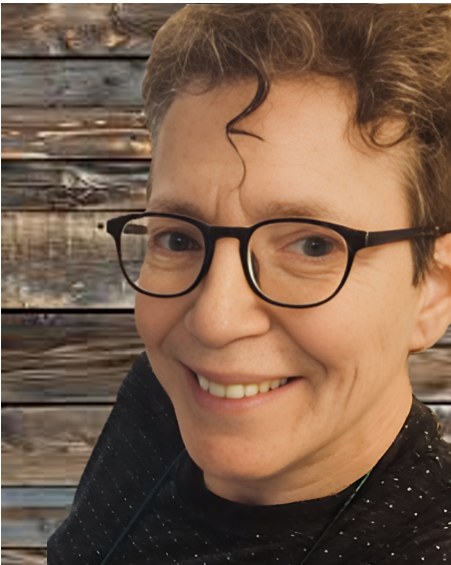
Psychologist
Michele MickPhD
PhD, The University of Texas at Austin, 1999
Licensed in: AL, AR, AZ, CO, CT, DC, DE, FL, GA, ID, IL, IN, KS, KY, MD, ME, MI, MN, MO, MS, MT, NC, ND, NE, NH, NJ, NV, OH, OK, PA, RI, SC, SD, TN, TX, UT, VA, VT, WA, WI, WV, WY · PSYPACT
Call and we’ll let you know if Michele is taking new clients.
and most major plans








Working with older adults gives me the chance to hear their stories, honor their wisdom, and accompany them as they pursue their goals for future life enrichment.
Q&A with Michele
Getting to know Michele
What do you enjoy most about working with older adults?
Working with older adults gives me the chance to hear their stories, honor their wisdom, and accompany them as they pursue their goals for future life enrichment. As an older adult myself, I enjoy working with those with whom I share many lifetime experiences. We speak each other’s language and “get” each other’s references.
I find that older adults trust that I can “see” them and value them. I respect their contributions to this world. I respect their struggles to overcome obstacles. It’s a joy to help older adults discover new opportunities for well-being and happiness.
Why does online therapy work well for older adults?
It wasn’t scientific research or survey statistics that convinced me that online therapy is effective for older adults—it’s was my firsthand experience. Before the pandemic, I only provided therapy in-person. I wasn’t happy about being forced to do video therapy sessions in the beginning.
However, I quickly learned that video therapy really works! I was surprised that it was older adults who most appreciated online therapy. They had learned to use online platforms to stay connected with family and friends, as well as their healthcare providers.
Once they figured out their equipment, they discovered having psychotherapy online made it easy to overcome prior barriers to attending sessions. No more having to miss sessions due to transportation problems, caregiver responsibilities, mobility limitations, or pain flare ups.
They appreciated, in particular, that an online session only required the time to attend the session. No more having to devote time to travel to and from the therapy office. No more wasting time fighting traffic or finding a place to park!
Even when the option for in-person therapy returned, none of my older adults wanted to go back to the “old way.” They wanted to be able to connect through online video sessions and then get on with their day.
How do you approach therapy sessions?
I don’t think of myself as approaching therapy sessions. I am approaching a person. During a therapy session, I encounter a person in the present moment of their life. I meet them where they are, listening deeply to the stories of their past and their desires for their future. I am a companion on a journey to where the person wants to go. Yes, I have lots of expert knowledge and experience to help guide the journey as needed. However, I recognize that the person themself is the real expert on their own life. So, to me, therapy with each individual is a unique experience of discovery and growth. There is no “one size fits all.”
My training and experience have prepared me to approach therapy in many ways, depending on the particular needs in a given situation. I trained in an anxiety treatment center at the University of Texas at Austin where I developed expertise in interventions for a wide range of anxiety-related disorders (e.g., panic disorder, social anxiety disorder, phobias, generalized anxiety disorder, and obsessive-compulsive disorder). During my 25-year VA career treating Veterans, I mastered a wide variety of “evidence-based psychotherapies” (e.g., motivational interviewing, acceptance and commitment therapy, PTSD interventions, mood/affect regulation skills, schema therapy, and cognitive-behavioral therapy for conditions such as depression, insomnia, and chronic pain). I also am trained in Self Psychology, a modern psychoanalytic theory, which I use when even the best “scientific” psychotherapies don’t produce desired results. In addition, I draw upon my training from my Master of Theological Studies degree to support persons with religious/spiritual concerns. In short, I have a lot of tools in my psychotherapy toolkit. However, my approach to therapy is not treatment-centered but person-centered. As I work with a person, we figure out together the best approaches to help them make the changes that will decrease their suffering and improve their quality of life.
What inspired you to become a therapist?
In middle school I was inspired to explore psychology when the novel Cheaper by the Dozen opened my eyes to the ways behavior could be analyzed and modified to improve life. Around the same time, The Bob Newhart Show exposed me to the profession of clinical psychology. I was hooked. In high school, I had a subscription to Psychology Today.
People are sometimes surprised that I take such joy in practicing clinical psychology. They think it must be a “downer” to “listen to other people’s problems.” That’s not what it’s about. I get to see how tried and true treatments help people navigate from a life of suffering to one of satisfaction.
Being a therapist has been as rewarding as I imagined it would be all those many years ago.
What is your advice for someone starting therapy for the first time?
This may sound like strange advice for someone new to therapy, but I want you to know that you don’t have to know what you are doing to start therapy. You don’t have to know exactly what you are looking for. You don’t have to understand how therapy works. You just have to show up. It’s that easy. You have to show up and keep showing up.
It is not uncommon for those starting therapy to have had lives that have left them with “trust issues” and fear that they won’t be seen or understood. Show up and see that it is possible to grow in trust. It is not uncommon for people to be inexperienced in sharing openly and honestly about their lives.
They may think it’s somehow wrong to “air their dirty laundry.” It’s not wrong but only unfamiliar to allow yourself and your therapist to look together at the true story of your life. If you keep coming, I promise you will figure it out and wonder why you didn’t start sooner.
What do you wish people knew about therapy?
THERAPY WORKS! To some, therapy may seem like a joke. They may call it whining or “navel-gazing.” They may think what they see in movies and television shows is real therapy. Wrong! There is overwhelming scientific evidence that real therapy can bring significant relief to many types of emotional suffering.
Often therapy works even better than medications to decrease symptoms like anxiety, depression, insomnia, chronic pain, posttraumatic stress disorder (PTSD), and more. Investing time in the process of psychotherapy is investing in yourself and your future. Even decades-old problems can improve with therapy.
Another amazing thing is that one person’s courageously pursuing therapy can improve the lives of those around them. It can help put entire families on a better course. Undertaking therapy is a gift you give yourself that keeps on giving long after your sessions have ended. It’s amazing!
This may sound like strange advice for someone new to therapy, but I want you to know that you don’t have to know what you are doing to start therapy.
I grew up on a catfish farm in South Texas. I can play a few stringed instruments badly but joyfully. I garden with native and drought-tolerant plants. I treat myself with a soft serve cone when I gotten myself to do something hard. I can’t wait to learn some fun facts about you!
Common questions
Frequently asked questions
Choose a topic. Can’t find your answer? Call our care team at 1-800-567-LIFE.
About Total Life
Who is the service for?
Our service is tailored for seniors looking to navigate the challenges of aging and aiming to make their golden years, golden.
What is the core purpose of your teletherapy service?
Our core purpose is to help as many seniors as possible access the mental health care they need, irrespective of their insurance coverage. We believe everyone deserves quality mental health care.
How is your service tailored to seniors?
Our platform is easy to use, with straightforward steps to connect you with a therapist. Additionally, our care team is always ready to assist you from start to finish.
How can teletherapy help me feel like the best version of myself?
Teletherapy provides a supportive environment to explore and address concerns, helping you work through challenges and promoting mental well-being.
How is your service different from conventional therapy?
Unlike conventional therapy, we provide access to therapy through Original Medicare coverage. Our care team facilitates a smooth process from the initial call all the way through ongoing care.
Insurance & coverage
Are your teletherapy services covered by Original Medicare?
Yes, our services are accessible through Original Medicare coverage, making mental health care more accessible for seniors.
Do you accept insurance plans other than Original Medicare?
Yes, we accept select Medicare Advantage (MA) plans. Please contact our care team to verify if your specific plan is accepted.
How do I pay for my sessions?
Payment can be made through various methods including Original Medicare coverage. Our care team can provide more detailed information based on your specific situation.
Is there a limit to the number of sessions I can have?
Original Medicare has an uncapped session limit; the number of sessions will be determined based on your individual needs and treatment plan.
What is a Superbill and how can it benefit me?
A Superbill is an itemized form that details the services you have received from us. It provides all the information needed to submit a claim to your insurance for out-of-network reimbursement.
If I have out-of-network benefits, how does the reimbursement process work?
If you have out-of-network benefits, you can submit the Superbill we provide to your insurance company for reimbursement. The reimbursement rate and process depend on your plan.
How do I obtain a Superbill for my sessions?
After each session, we can provide you with a Superbill. Our care team will assist you in generating a Superbill for your records.
Therapists & sessions
How experienced are your providers in working with older adults?
Our providers are hired specifically for their experience with older adults. They are trained and equipped to understand and address the unique mental health needs of seniors.
Can I choose my therapist?
We make every effort to match you with a therapist who has the right experience and expertise for your needs. If you have a preference, we’ll do our best to accommodate it.
What if I don’t feel a connection with my therapist?
It’s important to have a good rapport with your therapist. If for any reason you wish to change therapists, just let us know and we’ll facilitate a switch.
How is progress measured in teletherapy?
Progress is measured through regular reviews and discussions between you and your therapist, ensuring that the therapy is effective and meeting your needs.
Getting started
How quickly can I start with my therapy sessions?
Our care team is dedicated to facilitating a quick and easy process from your first phone call to setting up a therapy session on the same call.
How do I schedule a teletherapy session?
Scheduling a session is simple. Just give us a call at 1-800-567-LIFE and our care team will assist you in setting up a session on the first call itself.
Do I need any special equipment for teletherapy?
All you need is a computer, tablet, or smartphone with a camera and microphone, and a reliable internet connection. Phone-only sessions are also available.
What if I need to cancel or reschedule my appointment?
We have a flexible cancellation and rescheduling policy. Just contact our care team and they will assist you with the necessary changes.