
Megan Hampton
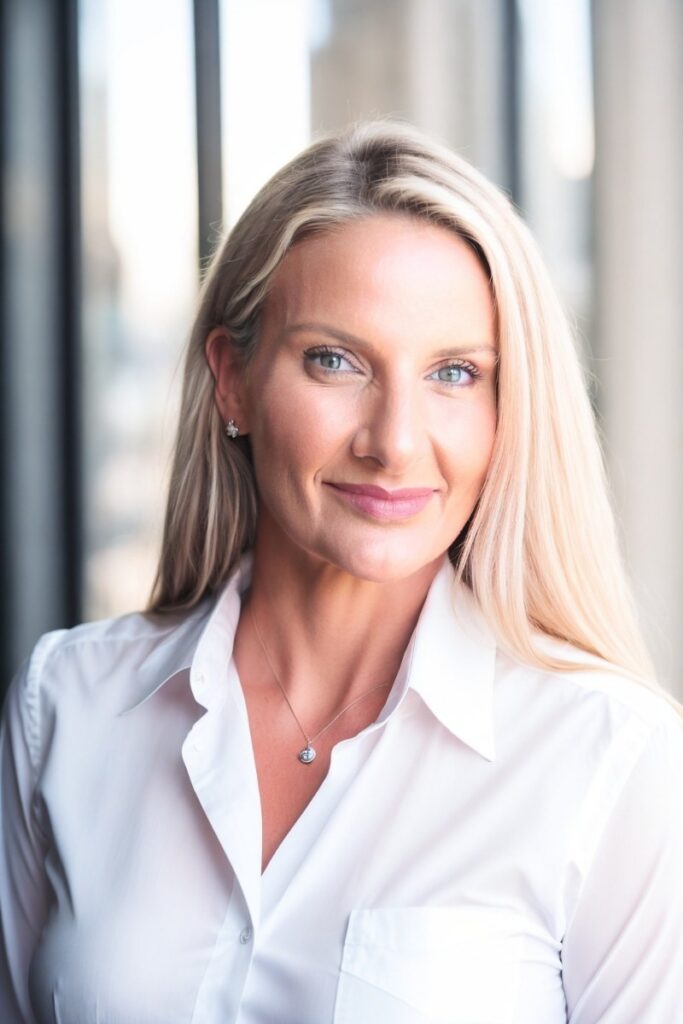
Licensed Clinical Social Worker
Megan HamptonMSW, LCSW
MSW, University of Cincinnati, 2005
Call and we’ll let you know if Megan is taking new clients.
and most major plans








Meet Megan
As a skillful clinician, Megan has 20 years of experience in the field and is licensed in Ohio, Tennessee, Kentucky, and Florida.
What I enjoy most about working with older adults is the depth of wisdom, resilience, and life experience they bring into every interaction.
Q&A with Megan
Getting to know Megan
What do you enjoy most about working with older adults?
What I enjoy most about working with older adults is the depth of wisdom, resilience, and life experience they bring into every interaction. Their stories provide powerful insights into history, identity, and human connection, and I find it incredibly rewarding to support them in maintaining their dignity, autonomy, and quality of life.
Building trusting relationships with older adults often fosters a sense of mutual respect and allows for deeply meaningful work—whether it's advocating for their needs, addressing complex health or psychosocial issues, or simply being a compassionate presence.
Why does online therapy work well for older adults?
Online therapy can be highly effective for older adults because it increases accessibility and convenience, especially for those with mobility limitations, chronic health conditions, or transportation challenges.
Many older adults prefer the comfort and privacy of receiving care in their own home, which can reduce stigma and increase engagement in the therapeutic process.
Additionally, as more older adults become comfortable with technology, online platforms offer a flexible and consistent way to provide evidence-based interventions, maintain continuity of care, and foster meaningful therapeutic relationships.
With proper support and a user-friendly approach, online therapy can be just as impactful as in-person sessions.
How do you approach therapy sessions?
I approach therapy sessions with a person-centered, strengths-based perspective, focusing on building a safe and trusting therapeutic relationship from the very beginning. I take time to understand the client’s unique background, values, and goals, and I tailor interventions to meet their specific needs—whether that involves cognitive-behavioral strategies, trauma-informed care, or supportive counseling. I also incorporate psychoeducation to help empower clients and build their coping skills. Throughout the process, I maintain a collaborative, nonjudgmental stance and adapt my approach as the therapeutic relationship evolves, always prioritizing the client’s autonomy and well-being.
My approach to therapy is integrative, person-centered, and grounded in the core values of clinical social work. I begin by creating a safe, supportive space that fosters trust and collaboration. I believe the therapeutic relationship is foundational to change, so I prioritize empathy, active listening, and cultural humility in every session.
I draw from evidence-based modalities such as Cognitive Behavioral Therapy (CBT), Solution-Focused Brief Therapy (SFBT), and Motivational Interviewing (MI), depending on the client’s needs and presenting concerns. I also use a trauma-informed lens, recognizing the impact of past experiences on current functioning, and I work to ensure clients feel empowered and in control of their healing journey.
With older adults, I pay special attention to life transitions, grief, chronic health conditions, caregiver stress, and identity issues that may arise in later life. I take a strengths-based approach, helping clients identify and build on their resilience and lived experience. Psychoeducation, goal setting, and mindfulness practices are also integrated as appropriate to enhance emotional regulation, self-awareness, and overall well-being.
Ultimately, I see therapy as a collaborative and evolving process where clients are the experts in their own lives. My role is to walk alongside them, offer tools and insight, and support their growth and healing in a compassionate, respectful manner.
What inspired you to become a therapist?
What inspired me to become a therapist was my experience as a caregiver for my great-grandmother. During that time, I worked closely with hospice professionals and developed a deep appreciation for the emotional and psychological support they provided—not just to her, but to our entire family. Being part of her end-of-life journey was profoundly moving and gave me a firsthand understanding of the importance of compassionate, person-centered care.
I found myself naturally drawn to supporting older adults, listening to their stories, and advocating for their dignity and well-being. That experience sparked my passion for working with the aging population and laid the foundation for my path into clinical social work. I realized that through therapy, I could help others navigate some of life’s most challenging transitions while honoring their wisdom, resilience, and humanity.
What is your advice for someone starting therapy for the first time?
My advice to someone starting therapy for the first time is to give yourself permission to be open, curious, and patient with the process. It’s completely normal to feel nervous or unsure in the beginning—therapy is a vulnerable space, and it takes courage to take that first step.
Remember that therapy is a collaborative journey. You don’t need to have all the answers or know exactly what to say. Your therapist is there to walk alongside you, help you explore what you’re feeling, and support your growth at your own pace. Be honest about what you’re experiencing, even if it’s just uncertainty about how therapy works. That’s a great place to start.
Also, if something doesn’t feel like a good fit—whether it's the style, pace, or even the therapist—advocate for yourself. Therapy should feel safe, supportive, and tailored to you. Progress may not be immediate, but with consistency and trust, it can be a transformative experience.
What do you wish people knew about therapy?
I wish people knew that therapy isn’t just for moments of crisis—it’s a powerful tool for self-discovery, healing, and growth at any stage of life. Many people believe they need to “have it all figured out” before starting therapy, but the truth is, therapy is the place where you can figure things out, with support and without judgment.
I also wish more people understood that therapy looks different for everyone. It’s not always about diving into the past; sometimes it’s about learning new coping skills, navigating a life transition, or simply having a consistent space to reflect and feel heard.
Most of all, I want people to know that seeking therapy is a sign of strength, not weakness. It takes courage to ask for help, to be vulnerable, and to invest in your own mental and emotional well-being. And that investment can lead to meaningful, lasting change.
My advice to someone starting therapy for the first time is to give yourself permission to be open, curious, and patient with the process.
A fun fact about me is that I’ve always had a deep appreciation for older generations—even as a child, I would gravitate toward spending time with my grandparents and listening to their stories. That love eventually led me to become a caregiver for my great-grandmother, which truly shaped my passion for working with older adults. Outside of work, I’m also a big fan of vintage music and can often be found listening to while cooking or relaxing—there’s just something comforting about it! I Also love to travel.
Common questions
Frequently asked questions
Choose a topic. Can’t find your answer? Call our care team at 1-800-567-LIFE.
About Total Life
Who is the service for?
Our service is tailored for seniors looking to navigate the challenges of aging and aiming to make their golden years, golden.
What is the core purpose of your teletherapy service?
Our core purpose is to help as many seniors as possible access the mental health care they need, irrespective of their insurance coverage. We believe everyone deserves quality mental health care.
How is your service tailored to seniors?
Our platform is easy to use, with straightforward steps to connect you with a therapist. Additionally, our care team is always ready to assist you from start to finish.
How can teletherapy help me feel like the best version of myself?
Teletherapy provides a supportive environment to explore and address concerns, helping you work through challenges and promoting mental well-being.
How is your service different from conventional therapy?
Unlike conventional therapy, we provide access to therapy through Original Medicare coverage. Our care team facilitates a smooth process from the initial call all the way through ongoing care.
Insurance & coverage
Are your teletherapy services covered by Original Medicare?
Yes, our services are accessible through Original Medicare coverage, making mental health care more accessible for seniors.
Do you accept insurance plans other than Original Medicare?
Yes, we accept select Medicare Advantage (MA) plans. Please contact our care team to verify if your specific plan is accepted.
How do I pay for my sessions?
Payment can be made through various methods including Original Medicare coverage. Our care team can provide more detailed information based on your specific situation.
Is there a limit to the number of sessions I can have?
Original Medicare has an uncapped session limit; the number of sessions will be determined based on your individual needs and treatment plan.
What is a Superbill and how can it benefit me?
A Superbill is an itemized form that details the services you have received from us. It provides all the information needed to submit a claim to your insurance for out-of-network reimbursement.
If I have out-of-network benefits, how does the reimbursement process work?
If you have out-of-network benefits, you can submit the Superbill we provide to your insurance company for reimbursement. The reimbursement rate and process depend on your plan.
How do I obtain a Superbill for my sessions?
After each session, we can provide you with a Superbill. Our care team will assist you in generating a Superbill for your records.
Therapists & sessions
How experienced are your providers in working with older adults?
Our providers are hired specifically for their experience with older adults. They are trained and equipped to understand and address the unique mental health needs of seniors.
Can I choose my therapist?
We make every effort to match you with a therapist who has the right experience and expertise for your needs. If you have a preference, we’ll do our best to accommodate it.
What if I don’t feel a connection with my therapist?
It’s important to have a good rapport with your therapist. If for any reason you wish to change therapists, just let us know and we’ll facilitate a switch.
How is progress measured in teletherapy?
Progress is measured through regular reviews and discussions between you and your therapist, ensuring that the therapy is effective and meeting your needs.
Getting started
How quickly can I start with my therapy sessions?
Our care team is dedicated to facilitating a quick and easy process from your first phone call to setting up a therapy session on the same call.
How do I schedule a teletherapy session?
Scheduling a session is simple. Just give us a call at 1-800-567-LIFE and our care team will assist you in setting up a session on the first call itself.
Do I need any special equipment for teletherapy?
All you need is a computer, tablet, or smartphone with a camera and microphone, and a reliable internet connection. Phone-only sessions are also available.
What if I need to cancel or reschedule my appointment?
We have a flexible cancellation and rescheduling policy. Just contact our care team and they will assist you with the necessary changes.