
Carol Ellstein
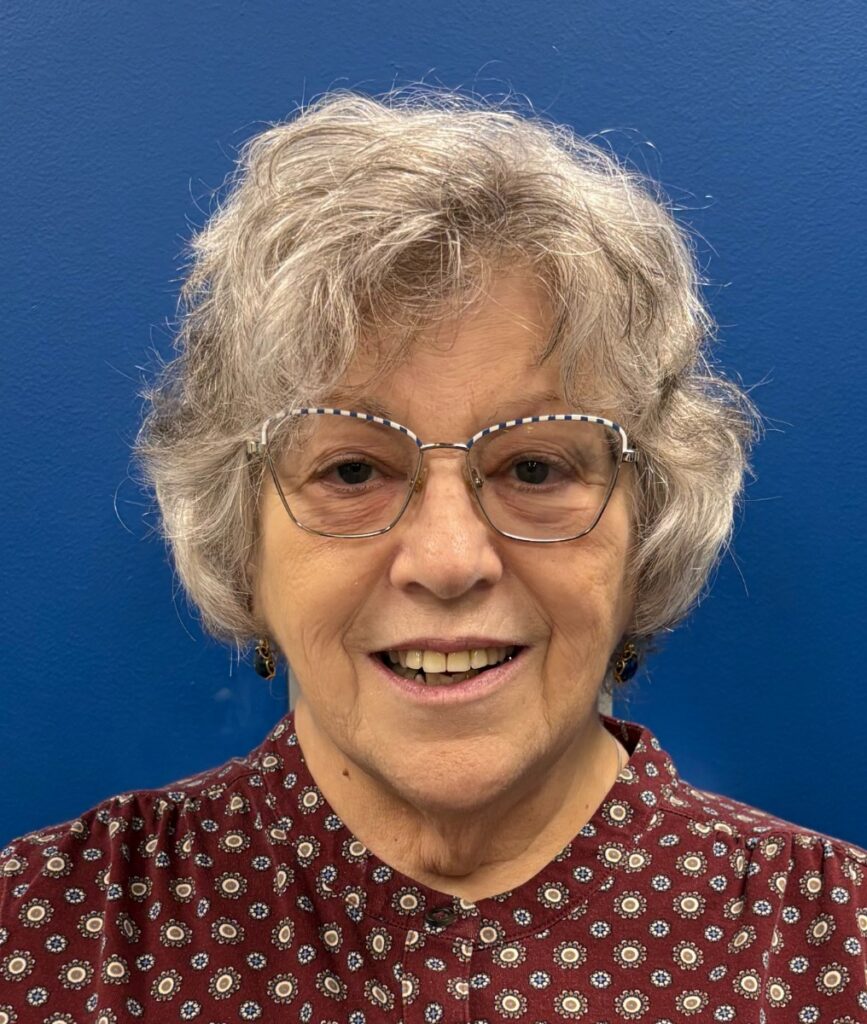
Psychologist
Carol EllsteinPhD
PhD, Michigan State University, 1989
Call and we’ll let you know if Carol is taking new clients.
and most major plans








Meet Carol
PhD, Developmental Psychology, Michigan State University, 1989. I am licensed as a Clinical Psychologist in Michigan and Pennsylvania. I have 45+ years of professional experience with ages ranging from middle childhood to seniors. I have worked with clients in homes, schools, juvenile detention centers, hospitals, jails ... every community setting except prisons.
I am a senior, and so I believe that I can relate to older adults better than younger or less experienced clinicians.
Q&A with Carol
Getting to know Carol
What do you enjoy most about working with older adults?
I am a senior, and so I believe that I can relate to older adults better than younger or less experienced clinicians. By the time we reach our senior yeats, we have generally experienced the best of the highs and the worst of the lows, and we have gained a wisdom that only comes in glimpses in earlier years. I like the depth and breadth of older adults' life experiences.
Why does online therapy work well for older adults?
Older adults tend to be more homebound than adults of younger ages, often due to surgical/medical reasons; social reasons, such as no longer being able to drive; or personal preference.
Online therapy enables them to meet on their own schedule without needing to spend time getting to an appointment (which could produce fatigue) or needing to adjust to someone else's environment (which could be jarring). It is thus the most effective therapy for the least amount of effort.
How do you approach therapy sessions?
I view therapy as one long conversation that is driven by the client. During the first session, I will answer client questions and tend to talk more than usual because I want the client to know the person with him s/e will be working with. After that, the client sets the agenda for the session.
My preferred methods of therapy are existential, narrative, cognitive-behavioral, cognitive processing, motivational, and reality orientation. Regardless of the presenting problem, eventually we reach a basic question: This is your life (with the presenting problem). How do you want to live it? I don't typically dwell on clients' feelings or spiritual beliefs, but we certainly pay attention to them for existential, motivational, and narrative purposes. My ultimate goal is to help the client modify both his/her behavior and life story (which is where the narrative therapy comes in). The goal of therapy is to get rid of me, because the client is back to functioning in a way that promotes well-being and growth as applicable.
What inspired you to become a therapist?
I first learned about psychology as a 9-year-old, when I went with a friend to visit her mother at work. Her mother was an administrator at a skilled nursing facility, and she told me about the work that various employees did.
The one that struck me was the behaviorally-oriented work that psychologists did, and I decided then that that's what I wanted for my own career. Fortunately, life cooperated, and I pursued my master's and then doctoral degrees when the opportunities presented themselves. I've never looked back at my choices.
What is your advice for someone starting therapy for the first time?
First, there's nothing to be nervous about. You're in the driver's seat, so you get to steer the course. If the therapist you're working with seems to want to take charge of the process, find a different therapist. At our age, we know enough about life to steer our own ship; mostly, we just need someone to bounce around ideas that will will help to set the course.
What do you wish people knew about therapy?
There is no one correct approach. Rather, it's a process of matching the therapy to the person's presentation and strengths. The most successful therapy occurs when the client is open to looking at his/her issues in a flexible manner and the therapist can pull out specific tools from various orientations to address them.
But beyond that, therapy is dependent on the bond that that therapist and client create; it succeeds best when the client feels listened to and understood.
First, there's nothing to be nervous about. You're in the driver's seat, so you get to steer the course.
Fun fact? I have two birthdays: the day I was born and the next day, which is the one that was recorded on the birth certificate that was never corrected. Other fun fact: I was an exchange student in Denmark during the summer between my junior and senior years of high school, when I was 16 years old. My Danish sister and I have extended our relationship forward to two generations; our children and grandchildren all have close relationships. Social media and affordable travel have enabled us to visit and keep in contact more frequently now than what was possible in the past. My Danish sister and her children are fluent enough with English, and I know enough Danish to carry on short conversations.
Common questions
Frequently asked questions
Choose a topic. Can’t find your answer? Call our care team at 1-800-567-LIFE.
About Total Life
Who is the service for?
Our service is tailored for seniors looking to navigate the challenges of aging and aiming to make their golden years, golden.
What is the core purpose of your teletherapy service?
Our core purpose is to help as many seniors as possible access the mental health care they need, irrespective of their insurance coverage. We believe everyone deserves quality mental health care.
How is your service tailored to seniors?
Our platform is easy to use, with straightforward steps to connect you with a therapist. Additionally, our care team is always ready to assist you from start to finish.
How can teletherapy help me feel like the best version of myself?
Teletherapy provides a supportive environment to explore and address concerns, helping you work through challenges and promoting mental well-being.
How is your service different from conventional therapy?
Unlike conventional therapy, we provide access to therapy through Original Medicare coverage. Our care team facilitates a smooth process from the initial call all the way through ongoing care.
Insurance & coverage
Are your teletherapy services covered by Original Medicare?
Yes, our services are accessible through Original Medicare coverage, making mental health care more accessible for seniors.
Do you accept insurance plans other than Original Medicare?
Yes, we accept select Medicare Advantage (MA) plans. Please contact our care team to verify if your specific plan is accepted.
How do I pay for my sessions?
Payment can be made through various methods including Original Medicare coverage. Our care team can provide more detailed information based on your specific situation.
Is there a limit to the number of sessions I can have?
Original Medicare has an uncapped session limit; the number of sessions will be determined based on your individual needs and treatment plan.
What is a Superbill and how can it benefit me?
A Superbill is an itemized form that details the services you have received from us. It provides all the information needed to submit a claim to your insurance for out-of-network reimbursement.
If I have out-of-network benefits, how does the reimbursement process work?
If you have out-of-network benefits, you can submit the Superbill we provide to your insurance company for reimbursement. The reimbursement rate and process depend on your plan.
How do I obtain a Superbill for my sessions?
After each session, we can provide you with a Superbill. Our care team will assist you in generating a Superbill for your records.
Therapists & sessions
How experienced are your providers in working with older adults?
Our providers are hired specifically for their experience with older adults. They are trained and equipped to understand and address the unique mental health needs of seniors.
Can I choose my therapist?
We make every effort to match you with a therapist who has the right experience and expertise for your needs. If you have a preference, we’ll do our best to accommodate it.
What if I don’t feel a connection with my therapist?
It’s important to have a good rapport with your therapist. If for any reason you wish to change therapists, just let us know and we’ll facilitate a switch.
How is progress measured in teletherapy?
Progress is measured through regular reviews and discussions between you and your therapist, ensuring that the therapy is effective and meeting your needs.
Getting started
How quickly can I start with my therapy sessions?
Our care team is dedicated to facilitating a quick and easy process from your first phone call to setting up a therapy session on the same call.
How do I schedule a teletherapy session?
Scheduling a session is simple. Just give us a call at 1-800-567-LIFE and our care team will assist you in setting up a session on the first call itself.
Do I need any special equipment for teletherapy?
All you need is a computer, tablet, or smartphone with a camera and microphone, and a reliable internet connection. Phone-only sessions are also available.
What if I need to cancel or reschedule my appointment?
We have a flexible cancellation and rescheduling policy. Just contact our care team and they will assist you with the necessary changes.