
Brian Shaffer
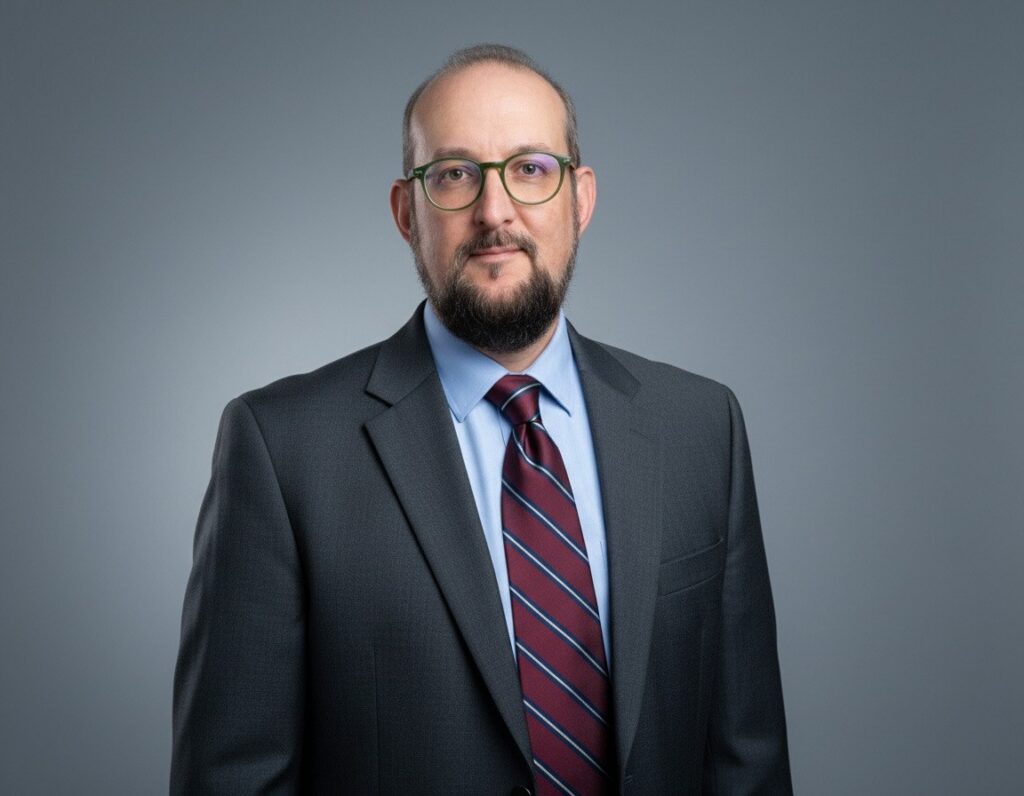
Brian Shaffer
Call and we’ll let you know if Brian is taking new clients.
and most major plans








Meet Brian
I hold a Bachelor of Arts in Religious Studies from Thomas Edison University, a Master of Arts in Theological and Pastoral Studies from the Anglican Institute (St.
Alban's Theology Seminary), a Master of Science in Clinical Mental Health Counseling from Capella University (summa cum laude), and a Doctor of Philosophy in Counselor Education and Supervision, also from Capella University.
I also completed two units of Clinical Pastoral Education (CPE) through both Children's Hospital and Mount Carmel Health System. I have over 25 years of experience across spiritual and pastoral care, grief and bereavement, trauma, mental health counseling, and addiction treatment.
Q&A with Brian
Getting to know Brian
What do you enjoy most about working with older adults?
Throughout my career — from my early years as an Activity Assistant at Regency Manor and Recreation Director at The Manor at Whitehall, through my long tenure as a hospital and hospice chaplain — I have had the privilege of sitting with older adults in some of their most vulnerable and meaningful moments.
What I enjoy most is the depth of conversation that becomes possible when someone has lived a full life. Older adults often bring wisdom, resilience, and hard-won perspective to our sessions.
I also find profound meaning in walking alongside them through grief, transitions, and end-of-life concerns — areas that have been central to my work for over two decades.
Why does online therapy work well for older adults?
I have worked extensively in telehealth and telemedicine settings, facilitating online therapy and support groups. For older adults, online therapy removes many of the most common barriers to accessing care — transportation challenges, mobility limitations, health concerns, and geographic distance from providers.
It allows clients to engage from the comfort and safety of their own homes, which can actually make it easier to open up. The research increasingly supports telehealth as effective as in-person care, and my own clinical experience confirms this.
How do you approach therapy sessions?
I approach every session from a client-centered foundation, meeting people where they are. My work is rooted in building a genuine therapeutic relationship — one grounded in trust, respect, and compassion. I integrate evidence-based modalities including EMDR, Cognitive Behavioral Therapy (CBT), Dialectical Behavior Therapy (DBT) skills, and Structured Family Recovery, adapting my approach to each individual's unique needs, values, and circumstances. I also bring a spiritual sensitivity to my work, recognizing that faith and meaning-making are often central to healing.
My approach is holistic and integrative. I draw on training in EMDR, CBT, DBT, trauma-informed care, and Structured Family Recovery, and I tailor my methods to each client. Given my background in chaplaincy, bereavement, and pastoral care, I am especially attentive to the existential and spiritual dimensions of a person's experience — not in a prescriptive way, but in a way that honors whatever meaning-making framework the client brings. I believe healing happens in relationship, so I invest heavily in building a strong therapeutic alliance. I also conduct thorough assessments to understand the full picture of a person's life before developing a personalized treatment plan.
What inspired you to become a therapist?
My path to becoming a therapist grew organically out of decades of work as a hospital and hospice chaplain, bereavement coordinator, and pastoral caregiver. Beginning at Children's Hospital in Columbus, Ohio in 1997, I found myself sitting with people in their most raw and painful moments — grief, dying, loss, addiction.
I witnessed how much people needed not just spiritual support, but skilled clinical care. That calling deepened over time, leading me back to school to earn my master's and eventually my doctorate in Counselor Education and Supervision. The work chose me as much as I chose it.
What is your advice for someone starting therapy for the first time?
Come as you are. You don't need to have the right words, a clear agenda, or even a specific problem defined. The first step is simply showing up. Therapy is a process, not an event — give it time, be patient with yourself, and know that it is completely normal to feel uncertain or even uncomfortable at first.
The therapeutic relationship is built gradually, and the most important thing is that you feel heard and respected. I will always meet you where you are.
What do you wish people knew about therapy?
Seeking therapy is not a sign of weakness — it is one of the most courageous things a person can do. I also wish more people knew that therapy is not about being "fixed." It is about developing self-awareness, building skills, processing pain, and rediscovering your own strengths. After more than 25 years in this field, I can say with confidence that change is possible at any age and in any season of life. It is never too late.
Come as you are. You don't need to have the right words, a clear agenda, or even a specific problem defined.
Dr. Shaffer has a deep and serious interest in demonology and paranormal investigation. Drawing on his years as a clinical chaplain — where he witnessed individuals in extreme spiritual and psychological distress — he has studied and researched experiences that sit at the intersection of mental health and spiritual warfare, exploring the distinction between organic psychological illness and what he describes as a spiritual battle of the mind. As an interesting, fun fact, Dr. Shaffer spent several years breeding Corgis and was involved in training them for dog shows and as performance dogs running agility. For self-care, he loves to play golf, hike, bike, walk, go exploring, play with his dogs, relax at home with music, re-learn Spanish, and volunteer with his church.
Common questions
Frequently asked questions
Choose a topic. Can’t find your answer? Call our care team at 1-800-567-LIFE.
About Total Life
Who is the service for?
Our service is tailored for seniors looking to navigate the challenges of aging and aiming to make their golden years, golden.
What is the core purpose of your teletherapy service?
Our core purpose is to help as many seniors as possible access the mental health care they need, irrespective of their insurance coverage. We believe everyone deserves quality mental health care.
How is your service tailored to seniors?
Our platform is easy to use, with straightforward steps to connect you with a therapist. Additionally, our care team is always ready to assist you from start to finish.
How can teletherapy help me feel like the best version of myself?
Teletherapy provides a supportive environment to explore and address concerns, helping you work through challenges and promoting mental well-being.
How is your service different from conventional therapy?
Unlike conventional therapy, we provide access to therapy through Original Medicare coverage. Our care team facilitates a smooth process from the initial call all the way through ongoing care.
Insurance & coverage
Are your teletherapy services covered by Original Medicare?
Yes, our services are accessible through Original Medicare coverage, making mental health care more accessible for seniors.
Do you accept insurance plans other than Original Medicare?
Yes, we accept select Medicare Advantage (MA) plans. Please contact our care team to verify if your specific plan is accepted.
How do I pay for my sessions?
Payment can be made through various methods including Original Medicare coverage. Our care team can provide more detailed information based on your specific situation.
Is there a limit to the number of sessions I can have?
Original Medicare has an uncapped session limit; the number of sessions will be determined based on your individual needs and treatment plan.
What is a Superbill and how can it benefit me?
A Superbill is an itemized form that details the services you have received from us. It provides all the information needed to submit a claim to your insurance for out-of-network reimbursement.
If I have out-of-network benefits, how does the reimbursement process work?
If you have out-of-network benefits, you can submit the Superbill we provide to your insurance company for reimbursement. The reimbursement rate and process depend on your plan.
How do I obtain a Superbill for my sessions?
After each session, we can provide you with a Superbill. Our care team will assist you in generating a Superbill for your records.
Therapists & sessions
How experienced are your providers in working with older adults?
Our providers are hired specifically for their experience with older adults. They are trained and equipped to understand and address the unique mental health needs of seniors.
Can I choose my therapist?
We make every effort to match you with a therapist who has the right experience and expertise for your needs. If you have a preference, we’ll do our best to accommodate it.
What if I don’t feel a connection with my therapist?
It’s important to have a good rapport with your therapist. If for any reason you wish to change therapists, just let us know and we’ll facilitate a switch.
How is progress measured in teletherapy?
Progress is measured through regular reviews and discussions between you and your therapist, ensuring that the therapy is effective and meeting your needs.
Getting started
How quickly can I start with my therapy sessions?
Our care team is dedicated to facilitating a quick and easy process from your first phone call to setting up a therapy session on the same call.
How do I schedule a teletherapy session?
Scheduling a session is simple. Just give us a call at 1-800-567-LIFE and our care team will assist you in setting up a session on the first call itself.
Do I need any special equipment for teletherapy?
All you need is a computer, tablet, or smartphone with a camera and microphone, and a reliable internet connection. Phone-only sessions are also available.
What if I need to cancel or reschedule my appointment?
We have a flexible cancellation and rescheduling policy. Just contact our care team and they will assist you with the necessary changes.