
Spring Into Health: 7 Habits for a Stronger, Happier Life
As the weather warms, spring brings a sense of rebirth and rejuvenation—both for the Earth, and for the many creatures living on it. From the animals emerging from hibernation to the flowers and trees putting out fresh growth, it’s a truly beautiful season!
For many, this season can also help to bring back some of the energy that may have been dampened by the winter months. With the sun coming out earlier in the morning, it’s likely much easier to get up and out of bed each day, and because of this, the rest of the day might just feel a little bit brighter, too. This is part of what makes spring such a transformative season—it gives you that extra little push to change. The trick is to know where to channel this newfound energy, in order to create sustainable and lasting positive change in your life. Whether that means picking up a new hobby or cleaning out some clutter, there are endless ways to put that “spring” back in your step.
The Secret to Making Lasting Habits
But what exactly makes a positive change sustainable? How can you design a habit to make it stick? To answer this, we can take a look at the science behind habit formation.
Perhaps unsurprisingly, the first step in making lasting change is to keep your expectations realistic. While many goals can seem doable when your motivation is high, it’s the realistic, small goals that you’ll keep up with in your everyday life. Alongside keeping things small, it’s important to be specific about your goals; in the world of habit-building, the more specific, the better. According to a guide published by the University of Utah, one way to do this is by using SMART goals. The acronym “SMART” stands for specific, measurable, attainable, relevant, and time-bound, and is a framework for you to build your habits around. As mentioned in the guide, you can start turning goals from simple to SMART by asking yourself a series of questions—such as “how can I track my progress in this goal?” and “what capabilities and resources might I need to get before I can succeed in this goal?”—in order to hone in on the best path forward.
While SMART goals work for a variety of purposes, there are also some tips specific to habit building. One such tip is to habit stack; in other words, to add a new hobby onto an existing one. In an article by the British Journal of General Practice, the authors noted that lasting habits tended to have associated contextual triggers. One example that they gave was the action of putting on your seatbelt. In that case, the contextual cue (or trigger) is the act of getting into your car. After you’ve gotten into your car and put on your seatbelt straight away enough times, it becomes second nature—it becomes a habit. The same thinking can be applied to habits that you’re trying to build. By joining a new habit with an old one—for example, flossing your teeth after brushing them—you’ll have the context cue already established, and won’t be starting from scratch.
1. Exercise
First on our list of potential healthy habits is exercise. Getting consistent exercise is fantastic for people of all ages, but is particularly important as an older adult. With age comes an increased risk of health issues, injury, and mobility issues, making it crucial to stay in good physical health. Luckily, as per the CDC, exercise can have many positive effects on your body; from reducing the risks of heart attacks, strokes, and diabetes, to lowering blood pressure and improving sleep quality, there are plenty of rewards to be reaped. In addition, exercise can also help to improve your mental health. In one NCBI review, researchers concluded that physical activity “holds the promise of better mental health outcomes for older adults,” and is a relatively safe, inexpensive, and accessible activity with many associated benefits. Therefore, getting in the habit of exercising each day is a great way to kickstart your health this year.
How you do this will vary based on your mobility level and lifestyle. Are you an active person? Do you have any health issues that prevent you from doing certain exercises? These kinds of questions are important to consider when trying to establish a habit of exercise. For example, as someone with a high degree of mobility, you might try joining a dance class, taking a pilates lesson, or joining a local gym. On the other hand, if you struggle with chronic pain, or simply want to start out slow, you might choose to simply take a walk each morning, or do a bit of light stretching each night before bed. As always, your goal with habit building is to find something sustainable and enjoyable for you.
2. Build a Healthy Diet
Another excellent habit to get into is eating a healthy, well balanced diet. This is a bit trickier to navigate than simply picking up a new hobby, as you need to make small, intentional changes over time. Doing a complete overhaul of your diet isn’t sustainable or realistic—before too long, you’ll usually find yourself slipping back into your old ways of eating, which can then cause you to feel guilty and ashamed. So, instead of doing a complete 180 and changing all of your eating habits, start by identifying a few small, key areas that you can improve upon.
If you struggle to eat enough fruits and vegetables, try getting into the habit of eating some with at least one of your meals each day. This might look like an apple or orange with breakfast, some peas or broccoli on the side for lunch, or mixing some extra vegetables into a stew or soup for dinner. Incorporate them in as many ways as you can! Meal prepping, such as making a bulk batch of your favourite salad to store in the fridge, can make healthy snacking easier as well.
For those looking to up their protein intake instead—as protein is one of the most important nutrients for older adults—you can do a similar thing but with varied protein sources. If you’ve grown bored of eating chicken, pork, or beef, you can try to get in the habit of incorporating an alternative protein source into one meal a week. Things like beans, tofu, and fish are all great options if you’re looking for an extra protein boost.
3. Try Gardening
What better way to start eating healthier than by growing your own fruits and veggies? If a healthier diet is a goal for you, you may be surprised by how much having a garden can help. With a good harvest season, you’ll find your pantry practically overflowing with fresh produce, all from your backyard. Having this constant stream of fresh food coming into your kitchen will naturally increase their presence in your diet. And, if you have extras, you’ll be able to share this joy with friends, family, and neighbours by gifting some of your harvest to them.
Gardening has many other benefits too! For example, the simple movements that come with tending to your garden—such as raking, lifting pots, and transplanting delicate seedlings—provide an opportunity to exercise not just your large muscles, but also the small muscles used in fine motor control. As these motor skills naturally degrade with age, it’s important to find hobbies and habits that help to maintain them.
To get in the habit of gardening, you might start out with a small planter box by a kitchen windowsill to grow some common herbs, like parsley, chives, and thyme. From there, you can transition to growing larger plants like cherry tomatoes, peppers, and salad greens, which can all be planted in pots if you’re tight on space. With a little bit of time, luck, and effort, you’ll have a flourishing pantry right in your backyard!
4. Learn New Things
 When was the last time you sat down and decided to learn something out of your comfort zone? If your answer is something along the lines of “it’s been a while…” then you’re not alone! A common misconception is that older adults “can’t learn new skills” but this is wholly untrue; in fact, learning new things is one of the best things you can do in your golden years.
In 2023, researchers at Scientific American performed an experiment to see whether the cognitive decline seen in older adults could be prevented or improved by learning new things. They created a structured program which mimicked a college student’s schedule, with three weekly classes of 2 hours each. They found that their participants, who ranged from ages 58 to 86, saw marked improvements in their memory and attention scores. After 3 months, their scores rivaled those of people 30 years younger—after a year of learning, their scores were similar to those of people 50 years younger! The article’s conclusion was that, while further research is required, these results show promising signs that cognitive decline can be combated with continued learning in older adults.
While this study focused on a fairly rigid, structured learning environment, the article clearly notes that “(the researchers) do not think that formal education is the only or most important way to support learning,” but rather that it is one of many ways that you can boost your cognitive health. Taking a language course, practicing new techniques on an instrument, or trying out a new hobby are all excellent habits to get into. The goal is to learn, and to enjoy learning, so go for something that interests you!
5. Get Social
Humans are social creatures, and have been since the time of our very first ancestors—we are practically hardwired for social interaction. In a recent article on human evolution, several pieces of evidence were compiled to support this claim. Among this evidence was research done on brain structure, which has shown that there are two distinct neural networks for social and non-social tasks, with social tasks being dealt with through the social brain network, and non-social tasks with the other. The interesting thing is that once a non-social task is completed, our brains will naturally turn our social network back on. In other words, we naturally (almost reflexively) revert back to social thinking.
Because of how attuned we are to socializing, it comes as no surprise that a certain degree of socializing is crucial for a good quality of life. Unfortunately, as we age, opportunities to socialize become fewer; friends move away, life gets busier, and sadly, some loved ones pass away. Because of this, older adults are especially vulnerable to loneliness, social isolation, and related mental health conditions like depression. To combat this, you should do your best to get in the habit of seeing friends and family on a regular basis. This may take the form of attending exercise classes together, scheduling weekly coffee sessions, taking walks together, or volunteering at the same organization. Whatever it may be, do your best to keep things regular and repetitive—instead of hanging out once for a special occasion, try to make recurring plans to see each other every month. Consistency is key for habit building, after all.
6. Meditate
 When talking about healthy habits, one that pops up all over the place is meditation. This is for good reason too; meditating is one of the easiest, most accessible, and most impactful habits that you can cultivate. From physical effects—like lowered blood pressure, improved cholesterol levels, and reduced inflammation—to benefits for many mental health conditions like anxiety and depression, consistent meditation is wonderful for your health.
There are also many different ways to meditate, so you can find a method that works well for you. These include breath-focused meditation, body scans, and even active forms of mindfulness like mindful walks, yoga, and tai chi. It’s a common misconception that meditation has to be done with the eyes closed, sitting cross legged, and without any guide apart from your breath; this method may work for some, but it can also be discouraging if you aren’t able to sit for long periods of time, or find yourself easily distracted when sitting in silence. Just as with any other habit, it’s important to find something that fits your needs—if you enjoy it, you’re far more likely to stick with it.
7. Organize and Declutter
Nothing says “spring” like a bit of spring cleaning! While it’s often tempting to try and get everything cleaned in one go, breaking your cleaning up into small, habitual chunks will give you better results that last longer.
While a deep clean takes a lot of effort (to the point where you may lose motivation before you’ve cleaned everything you planned to) taking 10 minutes out of every day to clean an area of your house can help to keep things organized and clutter-free in a more practical way. As you continue this habit, you may start to see patterns in which areas grow cluttered quickly—for example, your dining table may be the place where your day-to-day items accumulate—which can then help you to create strategies to manage this clutter. If your bathroom always ends up untidy, you might consider buying a shower caddy to store items. Similarly, if you have a drawer that constantly fills up with junk, you could invest in a drawer organizer. By staying consistent and noticing areas for improvement, you’ll be able to start decluttering like a pro in no time.
Final Remarks
As we close out this article, take some time now to think of what habits you would like to implement into your life. From there, refine them with the SMART method, and think about what existing habits you can link them to. Perhaps you’ll start meditating Each night after showering, or start each day with a walk around the block. Whatever this may look like for you, remember: the goal is consistency, not perfection. Take things at your own pace, don’t be afraid of setbacks, and have fun! The world of habit building is your oyster.
The Top 10 Benefits of Gardening for Older Adults This Spring
With warmer weather just around the corner, now is a perfect time to start laying the groundwork for this year’s gardening season. Even if you’ve never gardened before, this hobby is one that you’ll thank yourself for starting, as—although it may not seem like it at first glance—gardening has tons of benefits, especially for older adults.
1. Great Way to Exercise
Exercise may not often be associated with gardening, but that’s not to say that this hobby can’t get you up and moving! You’re far more likely to get up and outside when you have a garden, as many garden plants require frequent, consistent attention.
As an older adult, it is recommended that you get 150 minutes of moderate exercise each week. While this number can seem large, it’s generally pretty manageable if broken down into small amounts of time across the whole week. For example, if you enjoy walking and gardening, this might look like taking 15 minute walks on weekdays, and longer 30 minute walks on weekends. The goal here isn’t to be perfect, but rather to develop and maintain a routine that works for you; with consistent exercise, you’ll be able to decrease your risks of heart attacks, strokes, diabetes, and even some forms of cancer. Exercise can also improve your sleep quality and blood pressure.
Luckily, gardening requires a wide range of movements—including raking, weeding, digging, moving pots, carrying watering cans, and spreading mulch—which can all count towards your exercise goals. These movements may not seem that labour-intensive, but they are great for increasing both your strength and endurance. If the majority of your time is spent sitting or kneeling, you’ll probably naturally stretch out after you’ve stood up—in this way, gardening can also promote better flexibility, as you’re more likely to stretch your muscles than you would be sitting on your couch.
2. Improves Dexterity and Coordination
Just as gardening is great exercise for your big muscles, it’s also great for your smaller muscles—namely, the ones involved in fine motor control. As you age, these fine motor skills begin to deteriorate. According to one study published to the National Library of Medicine, older age has been found to be “related to a worse performance on all measures of fine motor skill” especially in those over the age of 75. Since these motor skills are crucial for many everyday tasks—such as tying shoes, buttoning shirts, using cutlery, and writing—it’s important to maintain them as best as possible.
To keep your fine motor skills intact, it’s recommended that you use them as often as possible. In gardening terms, this might look like picking up small seeds, transplanting delicate plants like seedlings and flowers, using scissors, and tying twine. You’ll also be using fine motor skills when you write labels, draw diagrams, or paint detailed pictures; because of this, taking some extra time to beautify your garden or draw a “garden map” is a fantastic idea. It’ll let you unleash some creative energy too!
3. Helps You Get Some Sun
 When gardening outdoors, you’ll have plenty of opportunities to soak up some sunshine. This is great for two main reasons: for vitamin D production, and for the regulation of your circadian rhythm.
As a vitamin that isn’t abundantly found in food, vitamin D can be a bit tricky to get enough of, especially in the colder months. While it may be tempting to just take supplements, they can have dangerous side effects if not dosed correctly. According to the American Academy of Family Physicians (AAFP), high doses of vitamin D supplements have been shown to increase risks of falls in older adults; even at low doses, it is recommended that unless you have a clinically diagnosed vitamin D deficiency, you avoid taking supplements. By increasing your vitamin levels through sunlight exposure, you’ll be able to naturally boost your bone and immune health without needing a prescription.
Getting more sunlight is also beneficial for your overall energy levels, as it helps to regulate your circadian cycle. Also known as your internal clock, this cycle is what dictates when you sleep and wake up—as it’s heavily influenced by your environment’s light level, it usually falls in line with the Earth’s day and night cycle. However, when you aren’t exposed to light at the right times, this natural rhythm can become dysregulated, leading to uncomfortable symptoms like fatigue and insomnia. By getting outdoors and exposing yourself to the sun’s rays during the day, you’re helping to keep your internal clock ticking at the right rate.
4. Proven to Boost Mental Health
In recent years, there have been many studies that investigate the link between greenspace and mental health. In 2018, an article published to the National Library of Medicine gathered evidence of the positive effects of gardening. These benefits included physical effects ranging from lowered blood pressure to decreased risks of post-surgical complications, as well as several psychological benefits. Several of the studies mentioned in the article found that exposure to greenspace—including walks in nature and gardening—was associated with decreased risks of depression, anxiety, and general stress.
While some of these benefits may largely be due to the increased social interaction and exercise that comes with getting outdoors, it’s still a definite, scientifically proven positive. In fact, because gardening has so many associated mental health benefits, it’s actually being prescribed by doctors in the UK as a means to improve patients’ overall wellbeing.
5. Benefits Cognitive Health
With so many physical and mental benefits, it’s likely no surprise that gardening has also been linked to improved cognitive health. Cognitive health conditions such as dementia and Alzheimer’s disease become increasingly common as you age—and, since dementia currently has no known cure, it is crucial to do everything you can to prevent it for as long as possible.
Though there is still no definitive evidence that gardening can single handedly prevent dementia, there are some very promising signs. This is largely thought to be due to gardening’s social and physical benefits, since frequent socialization and exercise have been linked to decreased dementia risks. However, there may be something about gardening, being out in nature, and enjoying the sun that helps to combat cognitive decline, too! The process of learning new things has also been proven to improve cognition, which further supports the benefits of gardening.
Even for those already struggling with dementia, gardening can be a fantastic and therapeutic hobby. In a 2021 review of research, it was found that gardening has many clear, positive effects on people with dementia. These benefits included decreased agitation, lowered risks of falling, and marked improvements in mood, depression, and stress. Dementia patients who gardened also required less medication, and had better cognition scores.
6. Promotes a Healthier Diet
By growing your own food, you’ll naturally start to eat more fresh vegetables and fruits. As your garden produces crops, you’ll be able to take them straight from your garden onto your plate—not only is this incredibly satisfying and rewarding, it’s also great for your health.
In a 2023 study, a team of researchers investigated the effects of community gardening programs on the diets of gardeners. The study concluded that during the growing season, people who gardened ate 60 ~ 70% more vegetables than their baseline, and were more likely to eat seasonally—in other words, they ate more foods that were in season. Since diets high in seasonal fruits and vegetables are generally more nutritious, you’ll be getting more out of each meal, particularly if you grow your own food in nutrient-rich soil. And, as an added bonus, homegrown foods generally taste better, as you’ll be eating them fresh off the plant!
Gardening can also bring some excitement to your kitchen; depending on your crops, you might try experimenting with some new recipes, or preserving them through pickling and canning. Just be sure to do your research, as improper canning can cause nasty problems like botulism.
7. Grows Your Community
Growing a garden can also help you to grow your social community. This can happen both directly through gardening, or indirectly through the changes that gardening brings to your lifestyle.
For example, if your garden happens to have an unexpectedly abundant harvest, you may find yourself with more produce than you can use up on your own. While there are many things you can do—like preserving or composting extra fruits and veggies—this can provide a great opportunity to connect with your friends, family members, and neighbours. Sharing abundance is a low-cost, low effort way to show a bit of extra care to those around you. Even if you don’t know your neighbours that well, sharing your harvest is an excellent conversation starter; you might even end up making a fellow gardening friend!
Another great area for socialization is to join community gardens and gardening clubs. Depending on your area, a quick search on Google for local community gardens should turn up a handful of suggestions. If planting in a plot is a bit intimidating, you’ll also usually be able to simply join as a volunteer, which can help you to grow both your community and your confidence in gardening. Similarly, gardening societies and clubs can help you to gain new friends alongside a wealth of gardening information, tips, and anecdotes.
8. Supports Your Environment
If you’re looking to do your part to combat climate change, or hoping to revitalize your local environment, gardening is an amazing way to do it. By selecting plants that are native to your area and / or plants that are easy for bees and other pollinators to harvest from, you’ll be able to revitalize your little corner of the Earth.
According to the USDA’s Natural Resources Conservation Service, plants such as milkweed, aster, goldenrod, sunflowers, and black-eyed susans are all great options for your local pollinators. By doing a little research into which flowers are native to your area, you can also help to keep invasive exotic species at bay, protecting your area’s natural biodiversity.
And, as the climate continues to change, every little effort counts—no matter how small it may seem. Even though planting a few shrubs won’t be enough to rid the world of climate change, making the choice to swap from a paved front yard to a grassy one can make a big difference in your own life. Since garden beds can soak up a lot more water than concrete and pavement can, this single change might just be what protects your home in the case of a flood or heavy rainfall. This is just one example, though—in the end, it’s all about trying to do your part to leave a better world for your kids and grandkids to inherit.
9. Gives You Purpose and Accomplishment
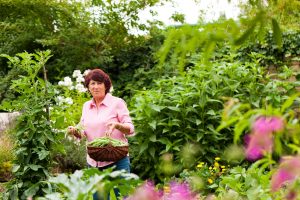 Due to the COVID-19 pandemic, you may have found yourself experiencing a good deal more boredom in recent years. Even without social isolation measures, older adults are more likely to experience boredom than younger adults. While this may seem harmless enough, the fact of the matter is that when you feel bored for long periods of time, you’re likely to begin feeling lost, sad, or like you don’t have a purpose anymore. In one study done during the pandemic, it was found that older adults often felt worried and uncertain when faced with their newfound lack of activities; however, the study also concluded that their participants were highly resilient, and were able to adapt to their new circumstances through finding new hobbies.
If you’ve been feeling similarly anxious or lost, growing your own garden can help to alleviate these feelings. Whether that be through growing beautiful flowers to improve your neighbourhood’s biodiversity, or through harvesting and sharing food crops, there is something for everyone. In fact, the simple act of caring for your plants and watching them flourish under your care can provide you with immense satisfaction, a strong sense of purpose, and motivation to keep pushing forward.
10. Creates a Peaceful Relaxation Area
After you’ve put in the time and effort, your garden might just become your new sanctuary. While gardening can be tough sometimes, it can also be immensely rewarding—both through the plants themselves, but also through your garden space itself.
When starting a garden, you’ve got a blank canvas in front of you that can be tailored to your needs and desires. If you’re a social butterfly, you could include a set of tables and chairs in a nice shady spot to create an outdoor area to entertain guests. If instead you’d prefer to keep things highly functional, you can fill your space with beds for vegetables; a great way to maximise a small garden’s productivity is to use vertical space through things like trellises and hanging or wall-mounted planters. And finally, if you’re more of an aesthetics-forward gardener, you can take your time designing each area to create a cohesive, beautiful garden.
Once your garden is set up to your liking, it’s time to bask in its glory! If you’ve already included a seating area, you might try coming out to your garden to read a book, eat a meal, or simply to observe the beauty of nature around you. For those of you who don’t have an area to sit in, you should consider either adding one or—if your garden is tight on space—finding other ways to relax in your garden. This could look like taking a slow walk around your garden in the morning to intentionally observe all of the little signs of growth, or sitting indoors near a window to admire its beauty from within your home. However you choose to go about it, taking the time to admire your work is a great way to build your sense of accomplishment, as well as relax after a hard day’s work.
There are many other benefits to starting your own garden, but our hope is that this has given you a hint into the vibrant and gratifying world of gardening. Now, what are you waiting for? Get out there and start planning your next great adventure!
Cooking for One: Easy and Healthy Meals for Older Adults
As you grow older, your appetite, eating habits, and dietary needs all change. You may start to feel full more quickly, or find yourself eating the same sorts of foods over and over. Dietary changes are natural parts of aging, but that doesn’t make navigating them easy—with so many different things to keep track of, trying to eat a balanced diet can start to feel overwhelming. Using key strategies can help to make your mealtimes easier, healthier, and overall more enjoyable.
What to Keep in Mind
While there are a nearly endless number of things to track in terms of your diet—including calories, vitamins, minerals, different types of carbs and fats, proteins, and many, many more—there are a few that are extra important for you as an older adult.
First, it is important to understand that while your caloric needs may be reduced, you still need the same amounts of nutrients. In fact, you may even need more of certain nutrients than in your youth. In order to meet these nutrient needs without accumulating excess calories, the United States Department of Agriculture (USDA) recommends eating a diet of nutrient dense foods (NDFs). According to their 2020 ~ 2025 Dietary Guide, NDFs include vegetables, fruits, whole grains, seafood, eggs, beans, lentils, nuts and seeds, low-fat and fat-free dairy products, and lean meats. Of these NDFs, some should be consumed in higher quantities than others; about half of your plate should be fruits and vegetables, a quarter whole grains, and the remaining quarter protein. This is not to say that you should completely cut out non nutrient dense foods—the recommendation is to get 85% of your total daily calories from NDFs, with the other 15% coming from sources of your choice, including “unhealthy” foods. This allows you to still eat foods like chocolates and candies without upsetting your overall dietary balance.
For older adults, some of these nutrient dense foods are especially important—namely, the proteins. In your later years, your body naturally begins to lose muscle mass, which can lead to weakness and fatigue. Eating enough protein helps to lessen these effects and preserve your muscle mass, making it a crucial nutrient for older adults. Some studies have even linked adequate protein intake with reduced chronic pain! While protein is often associated with meats and eggs, eating other protein sources like fish, dairy, beans, peas, and lentils can help to meet your protein goals without eating the same things over and over.
Even if you have leftovers, you can make your meals less monotonous by slightly changing how you use your leftover foods. When cooking for one, leftovers are quite common—most packages of meat, fish, and vegetables are much bigger than what you need for one portion. As a result, you’ll likely find yourself making more than you can eat in one meal and saving the rest for later. This isn’t a bad thing though—far from it! Leftovers can make future meals much easier for you. If you find yourself getting bored of eating the same meal, try to make something new out of your leftovers rather than simply eating them as they are. Depending on what they are, you can also try freezing leftovers for quick and easy meals later down the line.
Another excellent way to prevent monotony in your eating is to try new flavours and foods! In the rest of this article, you will find ideas for breakfasts, lunches, and dinners, which can also be modified to suit your preferences and dietary needs.
Breakfast: Eggs With a Twist
With over 100 ways to cook eggs—yes, really!—it’s no surprise that they are a staple in many peoples’ breakfasts. They are also incredibly nutrient dense, according to Healthline, and have high levels of protein, healthy fats, and vitamins. If you experience difficulty with chewing, their soft nature also makes them easy to eat.
While there are many ways to eat eggs just by themselves, pairing eggs with other foods will increase the number of nutrients you get with your breakfast. Scrambled eggs pair nicely with avocado, which is rich in healthy fats, fiber, and vitamins. You could also make an omelet with spinach, which is a phenomenal source of fiber, vitamins, iron, calcium, and antioxidants (which promote healthy aging by combating oxidative stress, as per Healthline). Or, if you are a fan of toast in the mornings, you could make a toast and egg sandwich, or dip toast fingers in a soft boiled egg. If you usually eat white toast, try eating whole wheat toast instead, to bring more fiber and vitamins into your diet.
Breakfast: Smoothies and Overnight Oats
If you prefer to have quick and easy breakfasts like cereal or toast, you might try making a smoothie or overnight oats. These can be prepared the night before, and offer a lot of variety, meaning that you can easily keep things interesting.
Smoothies can be made with a vast range of foods, and can be excellent ways to get some fruit into your diet. For example, if you have bananas that are starting to brown, you could pair them with a few tablespoons of peanut butter, milk, and greek yogurt to make a rich smoothie that’s high in protein and calcium. Adding a touch of cinnamon, nutmeg, or honey can also help to bring these flavours to life. If you want to incorporate different fruits, or experiment with adding in some vegetables, a simple search on google will bring up thousands of smoothie recipes for you to try. Most smoothies will keep in the refrigerator for 24 hours, meaning that you can premake a breakfast smoothie the night before—just give it a good shake before drinking it!
Another prep-able breakfast is overnight oats. With a simple base recipe of just two ingredients (oats and milk) and endless topping options, this is a recipe that keeps on giving. To make overnight oats, simply mix equal parts oats (rolled, quick, and instant will all work, but will have slightly different textures), seal in an airtight container, and refrigerate for at least 4 hours. You can change the volume of oats you make depending on your hunger level—if you aren’t very hungry, ¼ cup of oats may be enough, while those with larger appetites might try using ½ cup of oats instead. You can also mix chia seeds into your overnight mixture to make it creamier and boost fiber, antioxidant, and omega-3 fatty acid content.
After your oats are made, you can add your toppings! For sweet oats, you could try fruits like berries, bananas, and apples, as well as nuts, nut butters, spices, honey, and anything else your heart desires. You can also try making savoury overnight oats by swapping your milk with soup broth, and experiment with adding in savoury elements like vegetables, eggs, cheese, or meat. Varying your toppings will also increase the variety of nutrients you get.
Lunch: Healthy Wraps
If you find yourself trying to come up with ways to use leftovers, making wraps is a great option. Whether you have leftover fish, meat, or vegetables, wrapping them up in a tortilla can make them feel like a whole new meal, especially if you add some fresh vegetables and sauces. Wraps are also great because they pack all of the nutrients of a meal—protein, vitamins, fiber, etc—into one single dish. And, as a bonus point, tortillas keep very well in the freezer, which can help to reduce food waste. Simply cover your frozen tortilla with a damp paper towel and microwave it at 1 minute intervals to thaw it out.
If you don’t have any leftovers to wrap up, you can try making other kinds of wraps. As with any food, there are plenty of recipes to be found online, but you can also keep things simple with staples like chicken, tuna, or egg salads. Simply mix together some mayonnaise, greek yogurt, mustard, or salsa with ¼ ~ ½ cup of shredded chicken, canned tuna, or 1 ~ 2 hard boiled eggs, then place that onto a wholewheat tortilla to create your base. From there, you can add in vegetables like celery, lettuce, cabbage, onions, avocados, and cucumber to make a delicious and nutritious lunch. As a general rule of thumb, you should aim for ⅔ of your wrap’s volume to be made up of vegetables, with the other ⅓ being your source of protein.
If you are looking for ways to meal prep and make lunchtime a bit easier, having pre-cut vegetables and shredded chicken on hand will make wrap assembly even easier. This can be a great way to use up extra chicken, if you have some left over from other recipes!
Lunch: Hearty Soups

If you have vegetables lying around and want to use them up, making a batch of soup can help! Most vegetables can be incorporated into a soup in some way, and soups freeze very well, meaning that you can make a large batch and then freeze containers for later days.
One of the easiest soups to make is a roast vegetable soup. To make this soup, roughly chop roasting vegetables like broccoli, squash, potatoes, tomatoes, and peppers into similar sized chunks, then toss them along with 1 ~ 2 garlic cloves in olive oil and spices (salt, pepper, paprika, and cumin work well here). After they are coated, roast your veggies in a large pan until the vegetables are cooked through, flipping halfway through. This process usually takes about 30 minutes at 400℉ for harder vegetables like potatoes and carrots, while less time is needed for soft vegetables like peppers and tomatoes. Once your vegetables are all cooked, transfer them to a blender and blend until smooth and creamy, then simmer along with some soup stock to complete your soup. Using an immersion blender can help to get any lingering chunks if you want a completely smooth texture.
On its own, this soup is a fantastic source of vegetable nutrients, including tons of vitamins and dietary fiber. If you are looking to boost the protein content of this soup, or make it more filling, try adding in lentils, beans, peas, or shredded chicken.
Dinner: Baked Fish and Vegetables
According to the USDA, people tend to get most of their protein from meat, poultry, and eggs, while seafood is underconsumed. If you are looking for a way to include more fish into your diet, making this one-pan dish can provide you with the added protein benefits while limiting dishes and clean up time. And, as this recipe is easily scaled up, you can make enough to last for several days in a row—the roasted fish and vegetables can also be made into wraps for lunch, or incorporated into pastas and casseroles.
As with the other recipes on this list, you can use a wide range of ingredients depending on what you have on hand. This recipe can be made with sweet potato, broccoli, asparagus, brussel sprouts, carrots, or any other roasting vegetable. For the fish, you could use something like salmon, trout, cod, or tilapia. Simply preheat your oven to 400℉, and chop your vegetables into bite sized pieces. Toss them in olive oil and any spices of your choosing, then place the hard vegetables—potatoes, carrots, etc—onto a pan and let them roast for 30 minutes, flipping them halfway through. While you wait, you can chop softer vegetables and garlic, and prepare your fish fillets. Once 30 minutes have passed, add in the remaining vegetables, garlic, and fish, then let them roast for another 10 minutes or until everything is cooked through.
This meal is rich in many nutrients, from vegetable vitamins and fiber to protein and healthy fats from the fish. In general, white fish like cod are lower in fat, while red fish like salmon are a great source of omega-3 fatty acids. Depending on your overall diet, you may want to prioritize one kind of fish over another.
Dinner: Stir Fry Variations
A final easy way to use up ingredients cluttering up your fridge is to make a stir fry. When cooking for one, most packages of meat and vegetables are too big to use up in one meal, which can lead to a fair amount of food waste unless you use them up in other ways. By tossing together a bunch of your leftover food, you can make a delicious meal while also reducing your food waste.
To make a stir fry, start by choosing your protein source. This could look like chicken, meat, fish, tofu, lentils, beans, or eggs. Next, choose your vegetables—remember, veggies should make up about half of your plate, so don’t be afraid to use a fair amount. Common stir fry vegetables include broccoli, cabbage, carrots, green beans, peppers, onions, and eggplant, but just about any vegetable can be used. After gathering and preparing your main ingredients, along with any aromatics, spices, and sauces, you can start frying them up. Start by cooking aromatics with a bit of oil until they are fragrant, then add in any meat, followed by hard vegetables, then soft vegetables. If you are including grains, lentils, or beans, try precooking them and then adding them in alongside your soft vegetables. Finish by adding in your sauces, and you’re all done!
Stir fries are also great leftovers to have, as you can make them into wraps, make fried rice with them, or just reheat them to have the next day. With a good balance of vegetables, proteins, and grains, these will make highly nutritious additions to your diet.
A Final Note on Eating Alone
 While we have highlighted leftovers and food waste as potential difficulties of eating alone, there can also be mental impacts as well. According to the University of Oxford, people who eat with others are more likely to “feel happy and satisfied with their lives”. As older adults, this is especially important—your opportunities to socialize tend to become fewer as you grow older, meaning that more time is spent alone. By making plans to eat with other people, whether that be friends or family, you can set yourself on track to feeling healthier in both body and mind.