
Deborah Theis
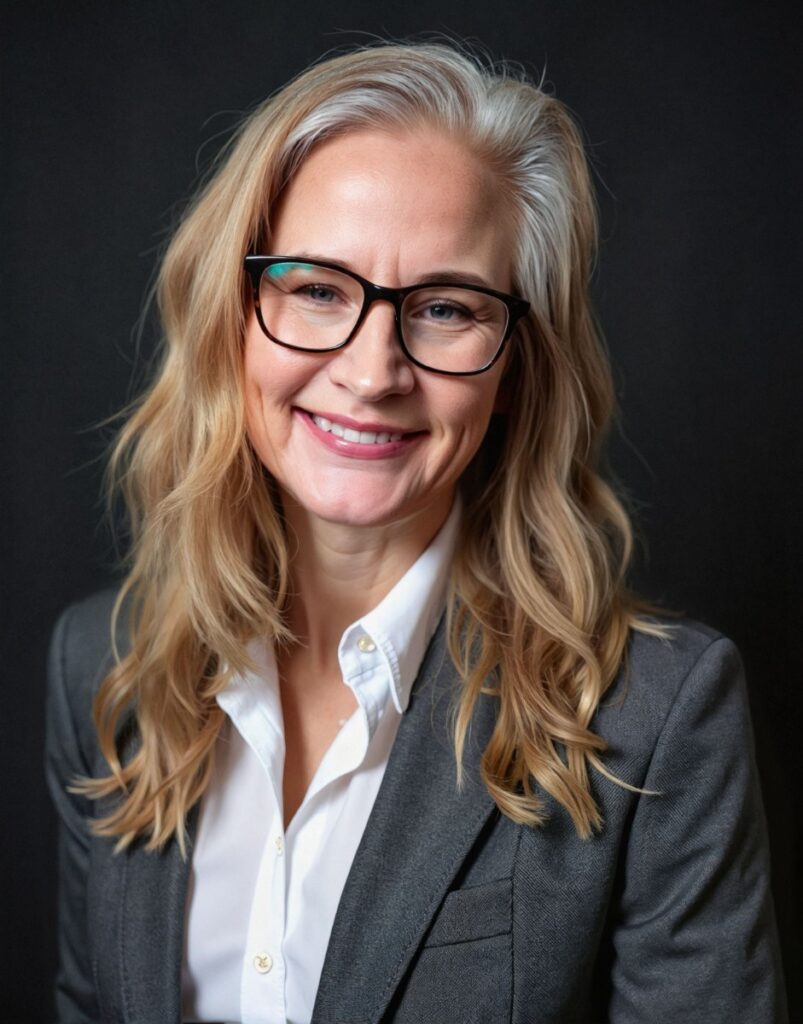
Psychologist
Deborah TheisPhD
PhD, Texas A&M University, 1995
Licensed in: AL, AR, AZ, CO, CT, DC, DE, FL, GA, ID, IL, IN, KS, KY, MD, ME, MI, MN, MO, MS, MT, NC, ND, NE, NH, NJ, NV, OH, OK, PA, RI, SC, SD, TN, TX, UT, VA, VT, WA, WI, WV, WY · PSYPACT
Call and we’ll let you know if Deborah is taking new clients.
and most major plans








Meet Deborah
I hold a Ph.D. in Counseling Psychology from Texas A&M University and am a Board Certified Geropsychologist (ABPP) — one of a relatively small number of psychologists in the country to hold this specialty certification. I have been a licensed psychologist in Texas since 1997, giving me nearly 30 years of experience, the majority of which has been devoted exclusively to the mental health of older adults.
Older adults bring a lifetime of experience, resilience, and perspective to therapy that I find genuinely inspiring.
Q&A with Deborah
Getting to know Deborah
What do you enjoy most about working with older adults?
Older adults bring a lifetime of experience, resilience, and perspective to therapy that I find genuinely inspiring. I enjoy the depth of conversation that comes with this population — the opportunity to help someone navigate a new chapter of life with dignity and purpose.
There is something particularly meaningful about supporting people through the transitions that come with aging, whether that's loss, health challenges, caregiving, or simply finding renewed meaning and connection.
Why does online therapy work well for older adults?
Telehealth removes many of the practical barriers that have historically kept older adults from accessing mental health care — transportation challenges, mobility limitations, health concerns, and geographic distance from providers.
In my experience, once clients are comfortable with the technology, they often find it easier to open up from the comfort and privacy of their own homes. Online therapy also makes consistent, ongoing care far more sustainable, which matters enormously for long-term mental health outcomes.
How do you approach therapy sessions?
I lead with warmth and genuine curiosity about each person's life and goals. My approach is collaborative — I work with clients to understand what's getting in the way of feeling better and what strengths and experiences they already bring to the table. I draw on evidence-based methods, including cognitive-behavioral and acceptance-based approaches, while remaining flexible enough to meet each person where they are. I don't believe in one-size-fits-all therapy, particularly with older adults whose life circumstances vary enormously.
I integrate evidence-based psychotherapy — primarily cognitive-behavioral, acceptance and commitment, and problem-solving approaches — with a strong emphasis on the whole person, not just the presenting symptom. For older adults, that means paying attention to the interplay between mental health, physical health, social connection, and life meaning. I take the time to understand each client's history and values, because good therapy at any age has to be grounded in who that person actually is.
What inspired you to become a therapist?
My path to geropsychology was not a straight line. Early in my career, while working in the federal prison system, I encountered an elderly inmate in his 70s who had moderate dementia.
He was living in the general prison population, couldn't navigate the system, and — as I later learned from his records — had been wrongfully blamed by his own son for a crime he likely couldn't even comprehend. He had no one to advocate for him.
That encounter stayed with me and sparked a deep awareness of how vulnerable older adults can be, particularly those who are low-income or from marginalized communities. When I transitioned to providing services in nursing homes in 1998, I never looked back. I realized this was the population I was meant to serve.
What is your advice for someone starting therapy for the first time?
Give it time, and give yourself permission to be honest. Many people come to their first session unsure of what to say or worried about being judged — and that's completely normal. Therapy works best when it feels like a genuine conversation, not a performance. You don't have to have everything figured out before you start; the whole point is to work through it together.
What do you wish people knew about therapy?
That it's not just for crisis. Some of the most meaningful therapeutic work happens when people are functioning well but want to understand themselves better, navigate a transition, or simply have a space to process the complexity of their lives. For older adults especially, therapy can be a powerful tool for finding clarity, connection, and renewed purpose — not a sign that something is wrong.
Give it time, and give yourself permission to be honest. Many people come to their first session unsure of what to say or worried about being judged — and that's completely normal.
I grew up as the child of missionaries in Seoul, Korea, where I attended an international school with students from all over the world and was often in the minority as a Caucasian American. That upbringing gave me a very different worldview and a deep appreciation for what it feels like to stand out — something I believe makes me a more empathetic therapist to this day.
Common questions
Frequently asked questions
Choose a topic. Can’t find your answer? Call our care team at 1-800-567-LIFE.
About Total Life
Who is the service for?
Our service is tailored for seniors looking to navigate the challenges of aging and aiming to make their golden years, golden.
What is the core purpose of your teletherapy service?
Our core purpose is to help as many seniors as possible access the mental health care they need, irrespective of their insurance coverage. We believe everyone deserves quality mental health care.
How is your service tailored to seniors?
Our platform is easy to use, with straightforward steps to connect you with a therapist. Additionally, our care team is always ready to assist you from start to finish.
How can teletherapy help me feel like the best version of myself?
Teletherapy provides a supportive environment to explore and address concerns, helping you work through challenges and promoting mental well-being.
How is your service different from conventional therapy?
Unlike conventional therapy, we provide access to therapy through Original Medicare coverage. Our care team facilitates a smooth process from the initial call all the way through ongoing care.
Insurance & coverage
Are your teletherapy services covered by Original Medicare?
Yes, our services are accessible through Original Medicare coverage, making mental health care more accessible for seniors.
Do you accept insurance plans other than Original Medicare?
Yes, we accept select Medicare Advantage (MA) plans. Please contact our care team to verify if your specific plan is accepted.
How do I pay for my sessions?
Payment can be made through various methods including Original Medicare coverage. Our care team can provide more detailed information based on your specific situation.
Is there a limit to the number of sessions I can have?
Original Medicare has an uncapped session limit; the number of sessions will be determined based on your individual needs and treatment plan.
What is a Superbill and how can it benefit me?
A Superbill is an itemized form that details the services you have received from us. It provides all the information needed to submit a claim to your insurance for out-of-network reimbursement.
If I have out-of-network benefits, how does the reimbursement process work?
If you have out-of-network benefits, you can submit the Superbill we provide to your insurance company for reimbursement. The reimbursement rate and process depend on your plan.
How do I obtain a Superbill for my sessions?
After each session, we can provide you with a Superbill. Our care team will assist you in generating a Superbill for your records.
Therapists & sessions
How experienced are your providers in working with older adults?
Our providers are hired specifically for their experience with older adults. They are trained and equipped to understand and address the unique mental health needs of seniors.
Can I choose my therapist?
We make every effort to match you with a therapist who has the right experience and expertise for your needs. If you have a preference, we’ll do our best to accommodate it.
What if I don’t feel a connection with my therapist?
It’s important to have a good rapport with your therapist. If for any reason you wish to change therapists, just let us know and we’ll facilitate a switch.
How is progress measured in teletherapy?
Progress is measured through regular reviews and discussions between you and your therapist, ensuring that the therapy is effective and meeting your needs.
Getting started
How quickly can I start with my therapy sessions?
Our care team is dedicated to facilitating a quick and easy process from your first phone call to setting up a therapy session on the same call.
How do I schedule a teletherapy session?
Scheduling a session is simple. Just give us a call at 1-800-567-LIFE and our care team will assist you in setting up a session on the first call itself.
Do I need any special equipment for teletherapy?
All you need is a computer, tablet, or smartphone with a camera and microphone, and a reliable internet connection. Phone-only sessions are also available.
What if I need to cancel or reschedule my appointment?
We have a flexible cancellation and rescheduling policy. Just contact our care team and they will assist you with the necessary changes.