
Sarah Sarubbi
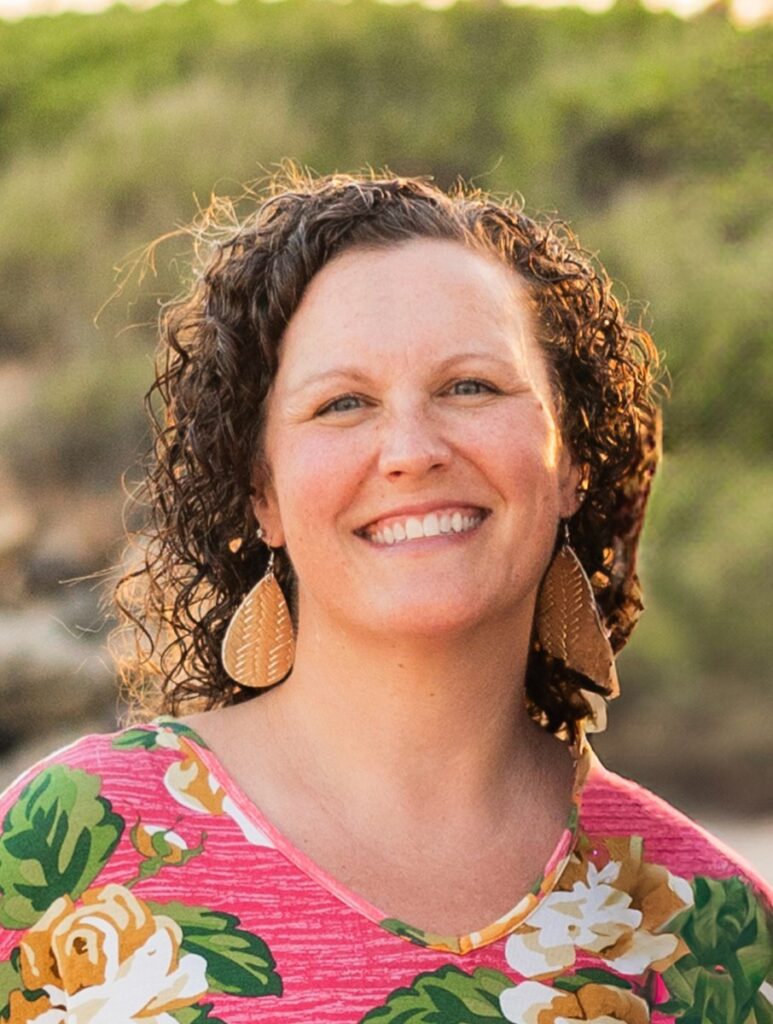
Psychologist
Sarah SarubbiPsyD
PsyD, Nova Southeastern University, 2012
Licensed in: AL, AR, AZ, CA, CO, CT, DC, DE, FL, GA, ID, IL, IN, KS, KY, MD, ME, MI, MN, MO, MS, MT, NC, ND, NE, NH, NJ, NV, NY, OH, OK, PA, RI, SC, SD, TN, TX, UT, VA, VT, WA, WI, WV, WY · PSYPACT
Call and we’ll let you know if Sarah is taking new clients.
and most major plans








Meet Sarah
As a skillful clinician, Sarah has 13 years of experience in the field and is licensed in North Carolina, California, and all other states eligible in PSYPACT.
Working with older adults is incredibly meaningful to me for several reasons.
Q&A with Sarah
Getting to know Sarah
What do you enjoy most about working with older adults?
Working with older adults is incredibly meaningful to me for several reasons. First, they bring a rich history of life experiences that adds depth and context to the therapeutic process. Their stories, perspectives, passion, and resilience offer powerful insights into how people adapt to life’s changes and challenges over time.
Second, older adults are often at a unique stage of psychological development where reflection, meaning-making, and legacy become central themes. Helping them navigate issues like loss, transitions, identity, aging, or cognitive changes allows for deeply rewarding work.
There is also an opportunity to address long-standing patterns of behavior, struggles with mood, relationship concerns, and/or history of trauma that may only surface or become pressing later in life. Third, therapy with older adults is collaborative, grounded, and intentional.
I find that older adults are especially thoughtful in seeking out therapy (either by themselves or with encouragement from family and friends); and this is not a decision taken lightly. There is often a sense of mutual respect and a sincere willingness to engage in therapy for improved mental health and well-being.
These factors allow for a strong therapeutic connection and lend themselves to improved therapeutic outcomes.
Lastly, I believe that older adults are frequently overlooked in mental health care, and I consider it a privilege to be able to advocate for them, reduce stigma, and provide support and encouragement during a time of life that can be both beautiful and complex.
Why does online therapy work well for older adults?
I believe online therapy is effective for older adults for many reasons. Online therapy allows greater accessibility to older adults who might not otherwise be able to attend therapy as it eliminates the barriers of travel time, waiting time, and transportation.
Online therapy also offers increased flexibility, convenience, comfort, and availability of skilled providers for older adults. I find that a lot of people choose and prefer online therapy, as well, for increased confidentiality and to decrease stigma of attending therapy.
Lastly, I believe that online therapy for older adults can be helpful in fostering independence and control over one’s mental health. While families are frequently involved in their loved-one's care (and encouraged!), online therapy may be one safe place where older adults may have their own time and space solely to themselves.
How do you approach therapy sessions?
I believe that therapy is the most effective and beneficial for my clients when the client and the therapist both agree to hold space for safety, honesty, integrity, open-mindedness, and hope. With this in mind, I approach all my therapy sessions with kindness, curiosity, encouragement, safety, honesty, integrity, open-mindedness, and hope. I also commit to being up to date on research, knowledge, treatments, and interventions that work, in order to provide the best services and outcomes for my clients.
My treatment philosophy is to help older adults and families reach their highest quality of life, love, and potential through increased psychological awareness, skills, and flexibility. The treatments I utilize are rooted in science and clinical research, while also considering my clients’ individual differences. As such, I use a variety of therapeutic theories and interventions, and I rely heavily on clients’ personal experiences and their experiential learning (what they already know and their willingness to learn and try new things). Approaches to treatment that I primarily utilize are Solution-Focused Therapy, Acceptance and Commitment Therapy (ACT), Mindfulness, Dialectical Behavior Therapy (DBT), Cognitive-Behavioral Therapy (CBT), Reminiscent Therapy, Narrative Therapy, and Exposure-Based Therapies for Trauma.
What inspired you to become a therapist?
What inspired me to become a therapist was my fascination with learning theory and social psychology. I actually started my undergraduate studies as an International Relations and Diplomacy Major, and I quickly realized that I was not cut-out for a career in politics.
I was fortunate enough to attend my very first Psychology course as a freshman in college and I was so intrigued by the different theories about why humans do the things that they do at different stages of life, that I knew during this class that this is what I wanted to pursue as a career.
I began seeking opportunities to learn and train with psychologists and social workers that were working with children and families teaching social skills because I knew these patterns of learning and socialization began at a very early age.
Children and families were seeing remarkable changes in school, peer relationships, home, and socializing with me and other professionals; and this had a profound impact on me.
I have worked with all ages, intellectual abilities, and mental health-related concerns; and at the end of the day, everyone- absolutely everyone- is capable of learning something new in order to gain something beautiful, rewarding, and life-changing.
I am honored to be a part of this, and to have found my place in this field helping others to do the same.
What is your advice for someone starting therapy for the first time?
My advice to someone starting therapy for the first time is: “thank you for being brave and courageous to try something new.” (More of a statement than advice, I suppose.) Therapy is here for you. We talk about and work on goals that you want to talk about and work on.
It is not meant to be “scary” or “overwhelming” or “make you cry.” You are not “broken” or “unfixable” or “crazy” or any other stereotype you may have heard or seen before about therapy and people who go to therapy. Therapy is unique and personal. It is kind, welcoming, encouraging, hopeful, and rewarding.
It exists to help people pursue valuable changes in their mental health and well-being. Therapy can be challenging or difficult at times, and that is because change is sometimes hard work! Even so, please remember you are always, always worth it!
What do you wish people knew about therapy?
I wish more people knew that therapy works! It helps with so many things: from mood, to trauma, to relationships, to behaviors, to decision-making, to personal improvement, to grief and grieving, to chronic pain, to sleep, to learning new perspectives and approaches to situations in every-day life.
I also wish more people knew that therapy is very intentional- that it provides people with the time, space, and expertise to help them work toward specific, mental health-related goals.
Talk therapy has a starting point and an ending point (like most other types of therapies), and it works because you and your provider will identify goals that will lead you to feeling better emotionally, mentally, socially, behaviorally, and physically.
My advice to someone starting therapy for the first time is: “thank you for being brave and courageous to try something new.” (More of a statement than advice, I suppose.) Therapy is here for you.
Fun fact about me is that I love pickleball! I grew up playing competitive tennis, and now I have completely switched to pickleball. My tennis-loving friends are disappointed in me, but it is much easier to find folks willing to start a spontaneous game of pickleball these days than it is tennis. Plus, in my little-bit older and wiser age now, I appreciate the smaller court, smaller racquet, and less-bouncy ball.
Common questions
Frequently asked questions
Choose a topic. Can’t find your answer? Call our care team at 1-800-567-LIFE.
About Total Life
Who is the service for?
Our service is tailored for seniors looking to navigate the challenges of aging and aiming to make their golden years, golden.
What is the core purpose of your teletherapy service?
Our core purpose is to help as many seniors as possible access the mental health care they need, irrespective of their insurance coverage. We believe everyone deserves quality mental health care.
How is your service tailored to seniors?
Our platform is easy to use, with straightforward steps to connect you with a therapist. Additionally, our care team is always ready to assist you from start to finish.
How can teletherapy help me feel like the best version of myself?
Teletherapy provides a supportive environment to explore and address concerns, helping you work through challenges and promoting mental well-being.
How is your service different from conventional therapy?
Unlike conventional therapy, we provide access to therapy through Original Medicare coverage. Our care team facilitates a smooth process from the initial call all the way through ongoing care.
Insurance & coverage
Are your teletherapy services covered by Original Medicare?
Yes, our services are accessible through Original Medicare coverage, making mental health care more accessible for seniors.
Do you accept insurance plans other than Original Medicare?
Yes, we accept select Medicare Advantage (MA) plans. Please contact our care team to verify if your specific plan is accepted.
How do I pay for my sessions?
Payment can be made through various methods including Original Medicare coverage. Our care team can provide more detailed information based on your specific situation.
Is there a limit to the number of sessions I can have?
Original Medicare has an uncapped session limit; the number of sessions will be determined based on your individual needs and treatment plan.
What is a Superbill and how can it benefit me?
A Superbill is an itemized form that details the services you have received from us. It provides all the information needed to submit a claim to your insurance for out-of-network reimbursement.
If I have out-of-network benefits, how does the reimbursement process work?
If you have out-of-network benefits, you can submit the Superbill we provide to your insurance company for reimbursement. The reimbursement rate and process depend on your plan.
How do I obtain a Superbill for my sessions?
After each session, we can provide you with a Superbill. Our care team will assist you in generating a Superbill for your records.
Therapists & sessions
How experienced are your providers in working with older adults?
Our providers are hired specifically for their experience with older adults. They are trained and equipped to understand and address the unique mental health needs of seniors.
Can I choose my therapist?
We make every effort to match you with a therapist who has the right experience and expertise for your needs. If you have a preference, we’ll do our best to accommodate it.
What if I don’t feel a connection with my therapist?
It’s important to have a good rapport with your therapist. If for any reason you wish to change therapists, just let us know and we’ll facilitate a switch.
How is progress measured in teletherapy?
Progress is measured through regular reviews and discussions between you and your therapist, ensuring that the therapy is effective and meeting your needs.
Getting started
How quickly can I start with my therapy sessions?
Our care team is dedicated to facilitating a quick and easy process from your first phone call to setting up a therapy session on the same call.
How do I schedule a teletherapy session?
Scheduling a session is simple. Just give us a call at 1-800-567-LIFE and our care team will assist you in setting up a session on the first call itself.
Do I need any special equipment for teletherapy?
All you need is a computer, tablet, or smartphone with a camera and microphone, and a reliable internet connection. Phone-only sessions are also available.
What if I need to cancel or reschedule my appointment?
We have a flexible cancellation and rescheduling policy. Just contact our care team and they will assist you with the necessary changes.