
The Top 10 Benefits of Gardening for Older Adults This Spring
With warmer weather just around the corner, now is a perfect time to start laying the groundwork for this year’s gardening season. Even if you’ve never gardened before, this hobby is one that you’ll thank yourself for starting, as—although it may not seem like it at first glance—gardening has tons of benefits, especially for older adults.
1. Great Way to Exercise
Exercise may not often be associated with gardening, but that’s not to say that this hobby can’t get you up and moving! You’re far more likely to get up and outside when you have a garden, as many garden plants require frequent, consistent attention.
As an older adult, it is recommended that you get 150 minutes of moderate exercise each week. While this number can seem large, it’s generally pretty manageable if broken down into small amounts of time across the whole week. For example, if you enjoy walking and gardening, this might look like taking 15 minute walks on weekdays, and longer 30 minute walks on weekends. The goal here isn’t to be perfect, but rather to develop and maintain a routine that works for you; with consistent exercise, you’ll be able to decrease your risks of heart attacks, strokes, diabetes, and even some forms of cancer. Exercise can also improve your sleep quality and blood pressure.
Luckily, gardening requires a wide range of movements—including raking, weeding, digging, moving pots, carrying watering cans, and spreading mulch—which can all count towards your exercise goals. These movements may not seem that labour-intensive, but they are great for increasing both your strength and endurance. If the majority of your time is spent sitting or kneeling, you’ll probably naturally stretch out after you’ve stood up—in this way, gardening can also promote better flexibility, as you’re more likely to stretch your muscles than you would be sitting on your couch.
2. Improves Dexterity and Coordination
Just as gardening is great exercise for your big muscles, it’s also great for your smaller muscles—namely, the ones involved in fine motor control. As you age, these fine motor skills begin to deteriorate. According to one study published to the National Library of Medicine, older age has been found to be “related to a worse performance on all measures of fine motor skill” especially in those over the age of 75. Since these motor skills are crucial for many everyday tasks—such as tying shoes, buttoning shirts, using cutlery, and writing—it’s important to maintain them as best as possible.
To keep your fine motor skills intact, it’s recommended that you use them as often as possible. In gardening terms, this might look like picking up small seeds, transplanting delicate plants like seedlings and flowers, using scissors, and tying twine. You’ll also be using fine motor skills when you write labels, draw diagrams, or paint detailed pictures; because of this, taking some extra time to beautify your garden or draw a “garden map” is a fantastic idea. It’ll let you unleash some creative energy too!
3. Helps You Get Some Sun
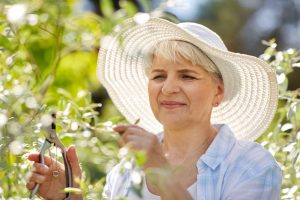 When gardening outdoors, you’ll have plenty of opportunities to soak up some sunshine. This is great for two main reasons: for vitamin D production, and for the regulation of your circadian rhythm.
As a vitamin that isn’t abundantly found in food, vitamin D can be a bit tricky to get enough of, especially in the colder months. While it may be tempting to just take supplements, they can have dangerous side effects if not dosed correctly. According to the American Academy of Family Physicians (AAFP), high doses of vitamin D supplements have been shown to increase risks of falls in older adults; even at low doses, it is recommended that unless you have a clinically diagnosed vitamin D deficiency, you avoid taking supplements. By increasing your vitamin levels through sunlight exposure, you’ll be able to naturally boost your bone and immune health without needing a prescription.
Getting more sunlight is also beneficial for your overall energy levels, as it helps to regulate your circadian cycle. Also known as your internal clock, this cycle is what dictates when you sleep and wake up—as it’s heavily influenced by your environment’s light level, it usually falls in line with the Earth’s day and night cycle. However, when you aren’t exposed to light at the right times, this natural rhythm can become dysregulated, leading to uncomfortable symptoms like fatigue and insomnia. By getting outdoors and exposing yourself to the sun’s rays during the day, you’re helping to keep your internal clock ticking at the right rate.
4. Proven to Boost Mental Health
In recent years, there have been many studies that investigate the link between greenspace and mental health. In 2018, an article published to the National Library of Medicine gathered evidence of the positive effects of gardening. These benefits included physical effects ranging from lowered blood pressure to decreased risks of post-surgical complications, as well as several psychological benefits. Several of the studies mentioned in the article found that exposure to greenspace—including walks in nature and gardening—was associated with decreased risks of depression, anxiety, and general stress.
While some of these benefits may largely be due to the increased social interaction and exercise that comes with getting outdoors, it’s still a definite, scientifically proven positive. In fact, because gardening has so many associated mental health benefits, it’s actually being prescribed by doctors in the UK as a means to improve patients’ overall wellbeing.
5. Benefits Cognitive Health
With so many physical and mental benefits, it’s likely no surprise that gardening has also been linked to improved cognitive health. Cognitive health conditions such as dementia and Alzheimer’s disease become increasingly common as you age—and, since dementia currently has no known cure, it is crucial to do everything you can to prevent it for as long as possible.
Though there is still no definitive evidence that gardening can single handedly prevent dementia, there are some very promising signs. This is largely thought to be due to gardening’s social and physical benefits, since frequent socialization and exercise have been linked to decreased dementia risks. However, there may be something about gardening, being out in nature, and enjoying the sun that helps to combat cognitive decline, too! The process of learning new things has also been proven to improve cognition, which further supports the benefits of gardening.
Even for those already struggling with dementia, gardening can be a fantastic and therapeutic hobby. In a 2021 review of research, it was found that gardening has many clear, positive effects on people with dementia. These benefits included decreased agitation, lowered risks of falling, and marked improvements in mood, depression, and stress. Dementia patients who gardened also required less medication, and had better cognition scores.
6. Promotes a Healthier Diet
By growing your own food, you’ll naturally start to eat more fresh vegetables and fruits. As your garden produces crops, you’ll be able to take them straight from your garden onto your plate—not only is this incredibly satisfying and rewarding, it’s also great for your health.
In a 2023 study, a team of researchers investigated the effects of community gardening programs on the diets of gardeners. The study concluded that during the growing season, people who gardened ate 60 ~ 70% more vegetables than their baseline, and were more likely to eat seasonally—in other words, they ate more foods that were in season. Since diets high in seasonal fruits and vegetables are generally more nutritious, you’ll be getting more out of each meal, particularly if you grow your own food in nutrient-rich soil. And, as an added bonus, homegrown foods generally taste better, as you’ll be eating them fresh off the plant!
Gardening can also bring some excitement to your kitchen; depending on your crops, you might try experimenting with some new recipes, or preserving them through pickling and canning. Just be sure to do your research, as improper canning can cause nasty problems like botulism.
7. Grows Your Community
Growing a garden can also help you to grow your social community. This can happen both directly through gardening, or indirectly through the changes that gardening brings to your lifestyle.
For example, if your garden happens to have an unexpectedly abundant harvest, you may find yourself with more produce than you can use up on your own. While there are many things you can do—like preserving or composting extra fruits and veggies—this can provide a great opportunity to connect with your friends, family members, and neighbours. Sharing abundance is a low-cost, low effort way to show a bit of extra care to those around you. Even if you don’t know your neighbours that well, sharing your harvest is an excellent conversation starter; you might even end up making a fellow gardening friend!
Another great area for socialization is to join community gardens and gardening clubs. Depending on your area, a quick search on Google for local community gardens should turn up a handful of suggestions. If planting in a plot is a bit intimidating, you’ll also usually be able to simply join as a volunteer, which can help you to grow both your community and your confidence in gardening. Similarly, gardening societies and clubs can help you to gain new friends alongside a wealth of gardening information, tips, and anecdotes.
8. Supports Your Environment
If you’re looking to do your part to combat climate change, or hoping to revitalize your local environment, gardening is an amazing way to do it. By selecting plants that are native to your area and / or plants that are easy for bees and other pollinators to harvest from, you’ll be able to revitalize your little corner of the Earth.
According to the USDA’s Natural Resources Conservation Service, plants such as milkweed, aster, goldenrod, sunflowers, and black-eyed susans are all great options for your local pollinators. By doing a little research into which flowers are native to your area, you can also help to keep invasive exotic species at bay, protecting your area’s natural biodiversity.
And, as the climate continues to change, every little effort counts—no matter how small it may seem. Even though planting a few shrubs won’t be enough to rid the world of climate change, making the choice to swap from a paved front yard to a grassy one can make a big difference in your own life. Since garden beds can soak up a lot more water than concrete and pavement can, this single change might just be what protects your home in the case of a flood or heavy rainfall. This is just one example, though—in the end, it’s all about trying to do your part to leave a better world for your kids and grandkids to inherit.
9. Gives You Purpose and Accomplishment
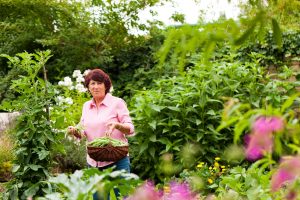 Due to the COVID-19 pandemic, you may have found yourself experiencing a good deal more boredom in recent years. Even without social isolation measures, older adults are more likely to experience boredom than younger adults. While this may seem harmless enough, the fact of the matter is that when you feel bored for long periods of time, you’re likely to begin feeling lost, sad, or like you don’t have a purpose anymore. In one study done during the pandemic, it was found that older adults often felt worried and uncertain when faced with their newfound lack of activities; however, the study also concluded that their participants were highly resilient, and were able to adapt to their new circumstances through finding new hobbies.
If you’ve been feeling similarly anxious or lost, growing your own garden can help to alleviate these feelings. Whether that be through growing beautiful flowers to improve your neighbourhood’s biodiversity, or through harvesting and sharing food crops, there is something for everyone. In fact, the simple act of caring for your plants and watching them flourish under your care can provide you with immense satisfaction, a strong sense of purpose, and motivation to keep pushing forward.
10. Creates a Peaceful Relaxation Area
After you’ve put in the time and effort, your garden might just become your new sanctuary. While gardening can be tough sometimes, it can also be immensely rewarding—both through the plants themselves, but also through your garden space itself.
When starting a garden, you’ve got a blank canvas in front of you that can be tailored to your needs and desires. If you’re a social butterfly, you could include a set of tables and chairs in a nice shady spot to create an outdoor area to entertain guests. If instead you’d prefer to keep things highly functional, you can fill your space with beds for vegetables; a great way to maximise a small garden’s productivity is to use vertical space through things like trellises and hanging or wall-mounted planters. And finally, if you’re more of an aesthetics-forward gardener, you can take your time designing each area to create a cohesive, beautiful garden.
Once your garden is set up to your liking, it’s time to bask in its glory! If you’ve already included a seating area, you might try coming out to your garden to read a book, eat a meal, or simply to observe the beauty of nature around you. For those of you who don’t have an area to sit in, you should consider either adding one or—if your garden is tight on space—finding other ways to relax in your garden. This could look like taking a slow walk around your garden in the morning to intentionally observe all of the little signs of growth, or sitting indoors near a window to admire its beauty from within your home. However you choose to go about it, taking the time to admire your work is a great way to build your sense of accomplishment, as well as relax after a hard day’s work.
There are many other benefits to starting your own garden, but our hope is that this has given you a hint into the vibrant and gratifying world of gardening. Now, what are you waiting for? Get out there and start planning your next great adventure!
Spring Forward: 5 Refreshing Ways to Embrace the New Season
With winter drawing to a close, now is the perfect time to start getting ready for spring. At this time of year, there’s plenty to get excited for, especially in your golden years. Since winter can be especially challenging as an older adult—with increased fall risks, shorter daylight hours, and less opportunities to socialize—the warmer season can really help to get that “spring” back in your step.
Depending on your hobbies, interests, and overall lifestyle, spring will mean different things to you. Perhaps you’re getting ready to plant this year’s crops in your garden, or planning your next traveling adventure… Perhaps you have no ideas at all! If you’re looking for some inspiration, our hope is that the rest of this article will help you to get this next season started off on the right foot.
1. Observe Nature’s Revival
Some of the most beautiful and subtle signs of spring can be found in nature. As the temperatures warm and the days grow longer, the Earth begins to wake up from its winter slumber. This process can be seen in many different places—from the ground and trees to the rivers and lakes, nature is teeming with life at this time of year—and there are also many different ways to go about appreciating these seasonal changes.
One of the most accessible of these is to take a mindful walk outdoors. This will mean different things to different people, as factors such as mobility, endurance level, and overall fitness can make taking walks easier or harder. If you have a high degree of mobility, you can try taking longer walks along routes with plenty of nature, like hiking trails and parks. For those with moderate mobility, you can walk along smoother pathways like sidewalks and city streets, and take note of any flowers, bushes, and trees that you see along the way. And if walking is more difficult for you, sitting outdoors on your porch or sitting by a window to observe the outdoors can help you to embrace springtime from the comfort of your home. If you do head outdoors, just be sure to dress appropriately; the weather can fluctuate a lot at this time of year, so dressing in easily removable layers is your best bet.
Once you’re outside (or by a window), take some time to look for signs of spring. Some of these signs, like vibrant flowers, are easy to pick out, while others may be more subtle. The key is to be mindful and patient during this process. There’s no need to rush this. As you walk, take the time to slow down and smell the flowers, watch birds, and feel the warmth of the sun on your face. Just remember to wear sunscreen!
Getting outside also has many proven health benefits, from better sleep quality to improved mental wellbeing. According to the National Library of Medicine, exposure to greenspace has also been linked with reduced risks of depression and anxiety, two mental health issues common in older adults. Whichever way you slice it, embracing the changing seasons by getting outdoors is excellent for your health.
2. Get Organized
As spring falls at the beginning of the year, it’s a great time to start getting organized for the rest of the year. A popular way to do this is by doing some spring cleaning, but you can also use this time to make plans for the year ahead.
While spring cleaning is very helpful for rejuvenating your home and improving your health, it can be a daunting process, especially if your home is quite cluttered. To declutter effectively, it’s best to start with items that aren’t very sentimental (like clothes, or books) and then move on to progressively more challenging items. According to Marie Kondo, a decluttering expert, following the order of clothes, books, papers, miscellaneous items, and finally sentimental items is best. This order allows you to progressively train yourself to get better at letting go of items, making it feel less stressful by the time you get to items with lots of memories attached.
Another important thing to note is that spring cleaning likely won’t be over in a few hours, or even a few days. While surface level cleaning can usually be done quickly, doing a proper deep clean will take time and energy. Set yourself some realistic goals, and don’t be hard on yourself for not being able to “get it done quickly enough.” These things take time! Instead, try to treat cleaning as a hobby, and use small chunks of time out of each week to tackle things one small step at a time.
Getting organized can also mean making plans for the coming months. If you’re a gardener, or would like to start gardening, early spring is a great time to start planning and get a head start on the gardening season. Even before the ground is workable, you can start planning out which crops to grow where, and when. Then, once it’s warm enough out, you can start the process of getting your soil ready. If you have outdoor flower beds or growing plots, now is a great time to clean those up, remove any dead branches and leaves, and work some compost into your soil. If you plant in pots, you can also start getting those ready. By doing this ahead of time, you’ll be able to sow early seeds without delay, leading to a longer and more productive growing season.
Other ways to get organized include planning out travel and vacations, looking into upcoming events in your area, and choosing new clubs or sports to try out. For example, if you’ve been meaning to pursue a new hobby, now is a perfect time to start.
3. Embrace Creativity
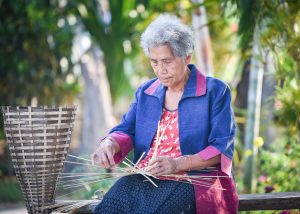 Speaking of new hobbies, springtime is an amazing time of year to get back in touch with your creative side. Sources of inspiration are everywhere—as mentioned earlier in this article, the Earth begins to wake back up during the spring, which subsequently creates a wide range of potential subjects to study and draw inspiration from.
If you find it hard to slow down and appreciate nature’s signs of spring while on walks, recording your findings can help, as you’ll need to pause and reflect more often. If you’re into photography, try taking a camera—film, digital, polaroid, your phone, etc—to capture your favourite moments. If instead you prefer to draw, try bringing a small sketchbook with you on a walk, or pick a spot to sit and draw or paint a specific subject. If you do pick a specific spot, you can also make a series of paintings of that location to document the changes you see over time. Even just taking a few minutes to journal about your favourite findings from a walk can help you to feel more in tune with spring.
Crafting indoors with seasonal materials is another fantastic option, especially if you aren’t able to get outdoors for long periods of time. Crafts such as pressing fresh flowers, creating paper flower garlands, and decorating easter eggs can be done alone, or with others—you could even make an event of this! If you have family and friends who live nearby, try inviting them over for a crafting day, or join a local crafting event; many events targeted at older adults can be found online on sites like Meetup and Facebook, or through local community bulletins. If there isn’t an event in your area you could even host one yourself at a local community center, or create a club to make a crafting session into a recurring event.
If you aren’t feeling very inspired, searching online on sites like Pinterest can bring up tons of potential craft ideas. By using common search phrases like “simple spring crafts for adults,” you’ll be able to find a wide range of options—from there, you can refine your search by adding words like “pressed flower” or “lantern” to your search to narrow it down to only the ones you’re most interested in.
4. Give Back to Your Community and Loved Ones
If crafting isn’t really your thing but you still want to hang out with friends and family, there are many other ways to gather together. For example, you could do a seasonal activity together, like birdwatching or having a picnic, or an all-season activity like learning a new language, cooking a new dish, or playing a computer game. In fact, as per the National Institute on Aging, learning new things has been linked to improved cognitive health in older adults, making it a great activity regardless of the season.
Generosity is also always in season. Giving back to your community, your neighbours, and even random strangers on the street can brighten up not only their day, but yours as well. According to the National Library of Medicine, being generous has been directly linked to increased levels of happiness, meaning that even if your impact is small, you’ll still be doing a whole lot of good for yourself. Being generous comes in many different forms, too, so it’s easy to adapt it to fit your abilities and needs. One way to show generosity is to spend some time making goods and foods for those in need. For example, a simple care package with things like canned foods (with pull tabs, as they may not have can openers) or gift cards, warm socks or hats, and hygiene products like toothpaste and soap can go a long way for someone experiencing homelessness.
If approaching people on the street is a bit intimidating, you can also try setting up a Little Free Library, helping neighbours, or creating letter boxes for anyone who needs a little boost. To do this, simply write short motivational notes and place them in easily accessible areas—like on your fence, or inside of a little library. You can write messages on the outside of your envelopes to make it clear that they are free to take; some examples include “to someone who needs a confidence boost,” “for somebody experiencing grief or loss” and “open this if you’re feeling low!” If you’ve gone through difficult times in the past, drawing from these experiences and giving advice to others in similar situations can help them to feel less alone, and also help you to process and move past these experiences.
Beyond doing individual community work, volunteering at local organizations allows you to help out in a more structured way. Shelters, litter clearing groups, library programs, food banks, and other community organizations are all great options, as they often include volunteer options for older adults. If you’re unsure of whether an organization has volunteer positions open, consider checking their website, social media—on platforms such as Facebook—or inquire in person by going to their physical branch.
5. Take Care of Yourself
 Chances are that you’ve heard the saying “you can’t pour from an empty cup,” and for good reason—it’s sound advice! When looking for ways to appreciate the changing seasons, your natural instinct might be to try to do as many activities as possible. While this can be great for socializing and getting yourself out of the house, sometimes it’s in your best interest to slow down and dig deep into what you truly need. With winter being a particularly hard season for many, this is more important than ever.
As the weather becomes milder, you’re likely to notice an increase in energy; the warmer temperatures and longer daylight hours give many people an extra boost, which might mean that you find yourself more motivated to get up and moving. This is great news! As per the CDC, exercise is a key component in a long and healthy life, with health benefits including decreased risks of heart attacks, strokes, diabetes, and even some forms of cancer. Exercising in a way that feels good for you—whether that be walking outdoors to enjoy the weather, doing exercises at home, or taking exercise or dance classes—is an excellent way to embrace your extra spring energy.
If you’re exercising more, chances are that you’ll need to increase your daily water intake an maintain a good diet, too. Alongside eating nutrient dense whole foods such as whole grains, vegetables, eggs, lean meats, and legumes, you should also take care to eat a diet rich in protein. As an older adult, your muscles naturally diminish, which can lead to decreased strength and mobility; eating enough protein can help to maintain your muscle mass. This doesn’t—and shouldn’t—have to be something that happens overnight. Instead of trying to dramatically overhaul your diet in one go, focus on making meaningful changes in small, gradual steps. For example, you could try to incorporate one extra vegetable into your dinners, or focus on eating one healthy meal per week. Once you have gotten comfortable with your first change, you can move on to another. Before you know it, you’ll be building some fantastic healthy habits.
You can also develop healthy habits for your mind. Things like meditation and journaling are great tools to have in your self-care kit, especially in spring. Many people, old and young, can find themselves feeling low after winter. Early spring is therefore a great time to do some self reflection to notice which areas of your life may need a bit of extra love. Luckily, meditation and journaling are both readily accessible. To start meditating, you only need to focus on your breathing—YouTube also has many lovely guided meditations for beginners—and journaling only requires a simple pen and paper. If you find yourself intimidated by the blank page, you can start out by simply recapping your day, or by writing a list of 10, 5, or even 1 thing that you are grateful for today. As with any other habit, starting small will yield the best results. Don’t force it! Go with what feels best for you.